Probably the most common reasons for a painful ankle are an ankle injury such as a sprain or fracture, tendonitis and wear and tear of the joint. Arthritis and diseases that affect the ankle (such as flat feet) are also major contributors to this type of pain.
In this article, we will examine the most common reasons for this pain. For each suggested cause, we will also suggest the symptoms likely to be experienced along with the ankle pain. We will also suggest remedies to try for each of these causes.
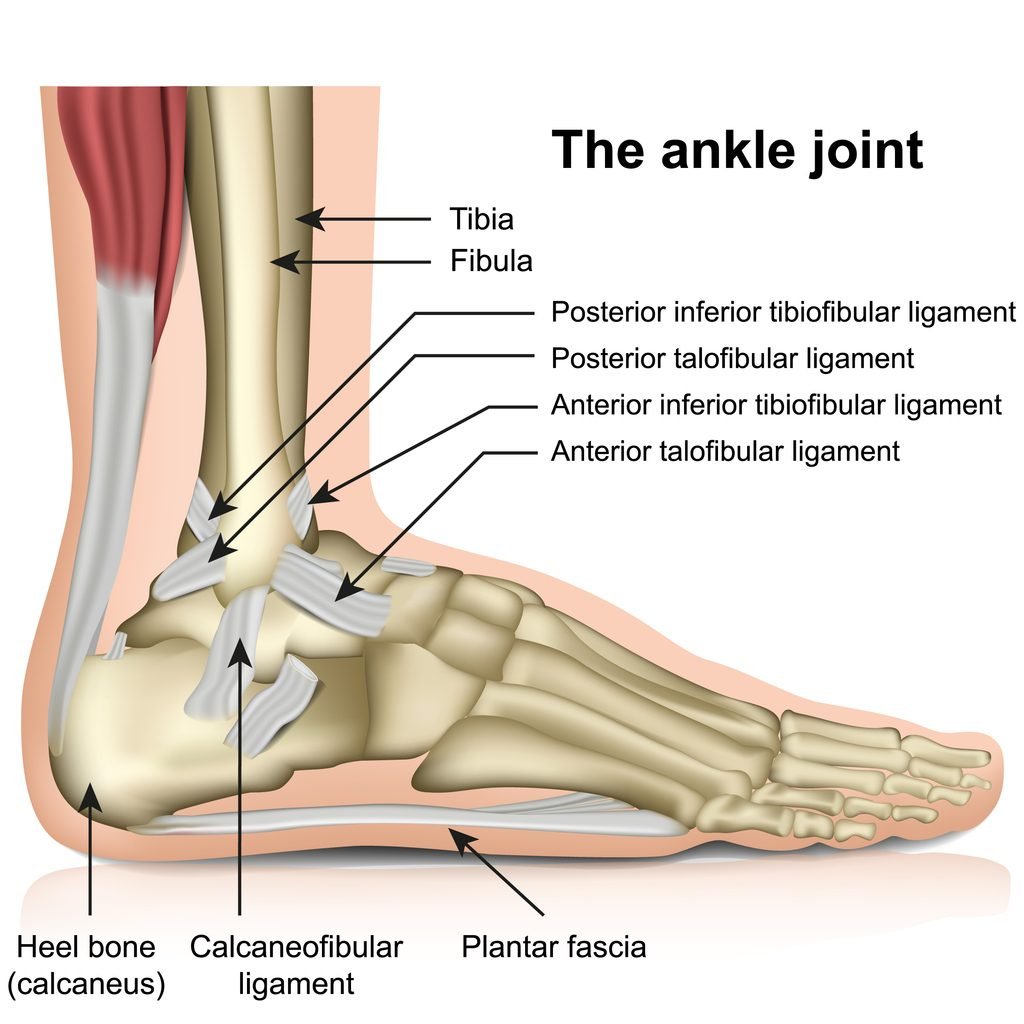
We will start by briefly describing the anatomy of the ankle and the role it plays in daily movements. This will help us to better understand the potential reasons for a painful ankle when they occur.
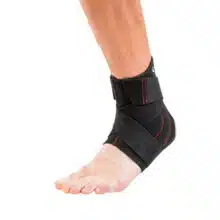
Choosing An Ankle Brace For Pain
The best ankle support for pain depends on what is causing it:
- Swelling: compression sleeves and cold therapy wraps.
- Mild instability or soreness: a soft elastic brace or ankle skin.
- After a sprain: a strapped or lace-up brace.
- Unable to bear weight comfortably: a walking boot or crutches while the ankle settles.
Ankle Anatomy
The ankle lies at the junction of the lower leg bones (the tibia and the fibula) and the talus (the foot bone).These bones are held together by ligaments. The ankle is responsible for bearing almost all of the body weight of the owner. It also plays a crucial role in standing, maintaining balance and movement (whether walking or running).
To perform all these roles, the ankle needs to be very flexible. It must be capable of movement in several dimensions including pointing (extension), flexion, rotation and side to side movement.
To support this wide range of movements, in addition to the large number of ligaments holding together the tibia, fibula and talus, the ankle contains an intricate structure of muscles, tendons and other soft tissues that help it perform the required movements. This complexity (and its weight bearing role) makes the ankle more susceptible to injury.
Ankle Pain Risk Factors
Ankle pain tends to be most common among the following individuals:
- Those over age 65;
- Individuals active in sports or who exercise frequently. This is especially true where sports requiring side to side movements or sudden directional changes are involved.
- Individuals who jump a lot, including those who do so while playing a sport. Landing from a jump can be very stressful on the ankles, especially if done incorrectly.
- Those who are overweight. This increases the daily stress on the ankles from simple activities like walking or even standing. As a result, there is a greater risk of ankle joint damage.
Diagnosis
To diagnose the cause of ankle pain, a doctor may start by discussing the patient’s symptoms in detail. Questions may be asked about what makes the pain and other symptoms more severe.
The doctor may also want to know how the pain started. Was there a specific identifiable instant when it started? If so, what was the patient doing at the time?
The doctor may also ask about previous ankle injuries the patient may have suffered. He or she may also palpate (examine by touch) the ankle to get a precise idea of the location of the pain. During the examination, the doctor will also check for swelling, pain and bruising.
The indication for imaging tests like X rays, CT scans or MRI studies depends on whether there was an injury preceding onset of the pain as well as the location of the pain. These may be requested so the doctor can examine the internal structures of the ankle. Imaging tests will provide a better idea of the damage that may have been done to these structures.
Finally, if there is a possibility of infection, the doctor may request a biopsy (analysis of tissue sample) or blood test for more information.
Ankle Pain Causes
We will now list the most common potential causes of ankle pain. We will also discuss the other symptoms most commonly experienced with each cause. This will provide clues as to what the underlying cause might be for those unfortunate enough to experience ankle joint pain.
Ankle Soft Tissue Injuries
These injuries account for a large proportion of cases of ankle pain. In addition to ankle pain, they can cause swelling and tenderness of the joint, together with reduced range of motion. The pain may be especially severe when you put weight on the joint.
Ankle Bursitis
Ankle bursitis occurs when the fluid filled sacs inside the ankle become irritated and inflamed. The sacs are there to cushion the ankle bones and make movement smooth and painless. In addition to a dull, aching pain, signs of bursitis include redness and swelling.
Ankle Sprains
Sprains occur when the ankle ligaments become stretched or torn. It is usually the result of the ankle rolling forcefully inwards or outwards out of its normal position or overflexion of the joint. Typically, a sprain happens after intense or repetitive exercise and is accompanied by pain, swelling and bruising.
Ankle Tendonitis
Tendons connect ankle muscles to their adjacent bones. Tendonitis occurs when these tendons become irritated and inflamed. It causes pain in the ankle and heel as well as calf pain when standing on tiptoes.
Ankle Fractures
These injuries are caused by broken ankle bones. They may be hairline, simple or even compound. The result of an ankle fracture is usually ankle pain and swelling. The ankle joint may have a mis-shappen appearance if the bones have moved out of position.
Other Causes
These include arthritis, flatfeeet and infection (septic arthritis).
Treatment Of Ankle Soft Tissue Injuries
The standard way of treating these ankle injuries is to rest and protect the joint. Ankle braces or a walking boot may be worn to support the ankle and help prevent over rotation that can stress its ligaments. The patient may also be asked to consider using crutches or a wheelchair while the ankle heals.
The ankle should also be treated with a cold compress for about 20 minutes at a time every 2-3 hours. This will help to reduce swelling and ease the pain.
Pain killers like paracetamol (tylenol) and non-steroidal anti inflammatories like ibuprofen (advil or motrin) or naproxen (aleve) can provide additional pain relief. Compressing and elevating the ankle can also aid blood circulation and promote more rapid healing.For compression, an ankle sleeve may be considered.
Once ankle healing is underway, physical therapy may be useful in restoring joint strength and preparing the ankle for normal activity.
Treatment of Ankle Fractures
To treat an ankle fracture, the joint must be immobilized, usually with a cast. Before doing this, it may be necessary for a surgeon to operate to restore the bones to their correct position so they heal properly. During healing, the patient will need to use crutches or a wheelchair, as it will not be possible to walk while wearing a cast. Showering and bathing with the cast on may require use of a waterproof cast cover such as that from DryPro.
After removal of the cast, it may be necessary to wear a walking boot as the ankle continues healing. Physical therapy to strengthen the joint will again be important in the run up to returning to normal activity.
Ankle Arthritis
There are many types of arthritis that can affect the ankle. Perhaps the most common types are:
- Osteoarthritis - a wear and tear form of arthritis;
- Rheumatoid arthritis - in which the body’s immune system starts attacking the joint lining;
- Gout - a type of arthritis usually caused by excess uric acid in the body. It most typically causes pain near the big toe, but can also affect the remainder of the foot and ankle.
Ankle arthritis pain is usually accompanied by joint stiffness and swelling. In rheumatoid arthritis, the pain may be particularly severe upon awakening in the morning or periods of daytime rest. Joint range of motion will usually be reduced.
Treatment
This depends on the type of arthritis causing the ankle pain.
Osteoarthritis can be managed by physical therapy, pain medications and heat therapy. Ultimately, joint fusion or other surgeries can be attempted to reduce the pain. The surgery sometimes consists of joint replacement. This is usually reserved for patients from at least 55 to 60 years of age.
For rheumatoid arthritis, the treatment may also utilize pain killers and physical therapy. However, there are also several drugs designed to fight inflammation and suppress the immune system. These drugs include disease-modifying antirheumatic drugs like methotrexate and hydroxychloroquine. They alter the course of the disease, but do not lead to a complete cure.
Gout is manageable through changes in diet and other lifestyle factors. Some patients benefit from drugs which lower the levels of uric acid in the blood.
For all types of arthritis, weight reduction will reduce the stress on the ankle and so limit joint pain.
Flat Feet
This is caused by flattened foot arches. In some cases, this is in turn traceable to injury to the achilles tendon that connects to the heel bone.
In addition to foot and ankle pain, flat feet can sometimes cause leg cramps and muscle pain in the lower legs. Patients may also experience toe drift, in which the front portion of the feet as well as the toes start pointing outwards.
Treatment
Generally speaking, this condition is treatable using:
- Painkillers as well as rest and cold therapy;
- Physical therapy to stretch tight foot tendons and muscles;
- Foot orthotics, ie inserts (either custom made or off the shelf) or custom shoes. Orthotics support and stabilize the foot while ensuring proper alignment.
Infection
Infections, whether of the bone or skin, can cause pain and swelling in the ankle. As a result of the infection, inflammation fluid (pus) can also be present.
Treatment
Treatment for an ankle infection will probably include:
- Aspirating the joint (by inserting a needle to remove inflammation fluid) to reduce the pain and swelling;
- Taking antibiotics to kill the bacteria causing the infection (can be given by mouth but sometimes administration into the vein is necessary).