Choosing An MCL Knee Brace
Match the support to the cause:
- Hinged braces: resist the inward force that stresses the MCL.
- Stabilizers with side stays: for milder sprains and return to sport.
What Can Cause An MCL Injury?
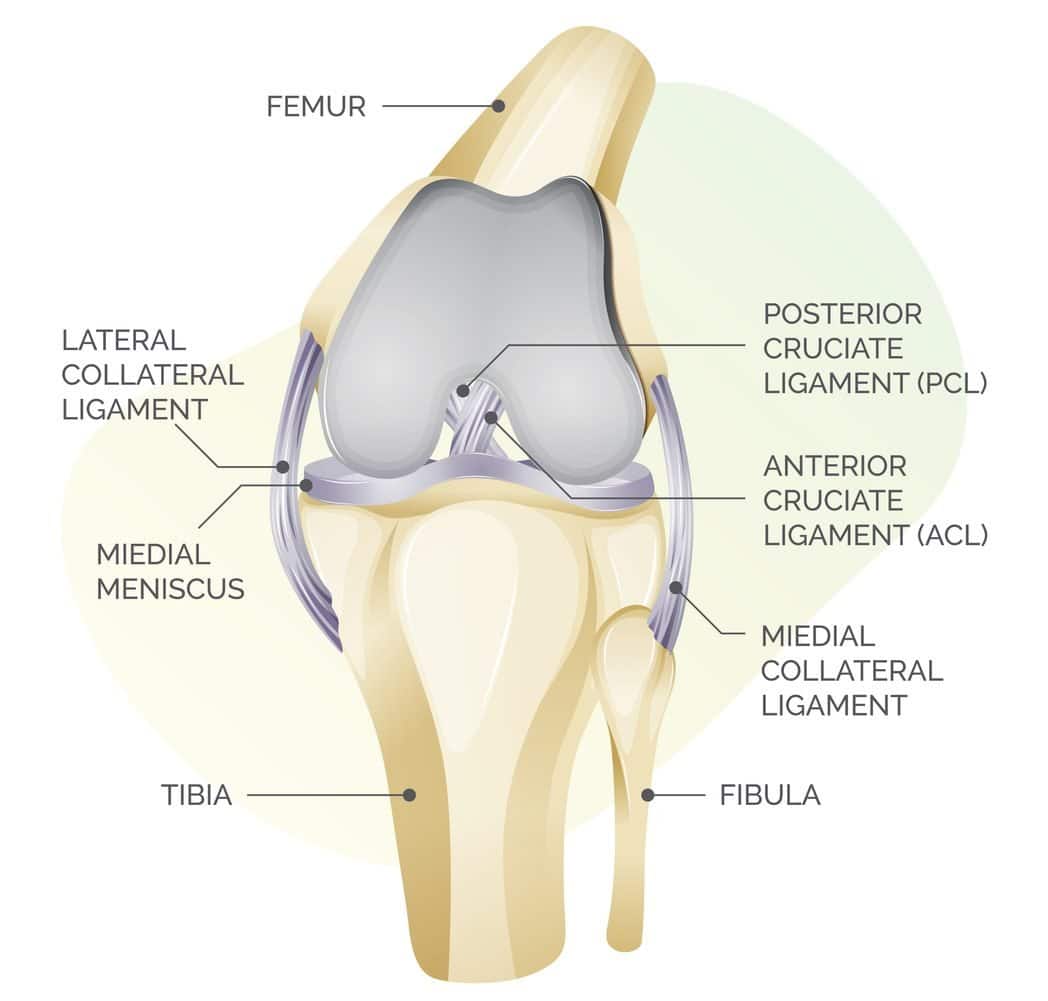
This injury is normally the result of a hard blow to the outer knee. Typically, this injured occurs in football or other contact sports with plenty of player to player collisions.
As with other knee ligament injuries, those on the receiving end of MCL injuries tend to be serious athletes or individuals who participate in contact sports.
MCL Injury Symptoms
An MCL tear or sprain will normally result in pain, swelling, tenderness and knee stiffness.
At the time the injury happens, the patient may also hear or sense a pop in the injured knee.
In cases of severe MCL injury, the patient will also experience knee instability. He or she may experience difficulty walking without feeling as though the knee is wobbly and can't bear the pressure of body weight.
Treatment Of An MCL Tear Or Sprain
To treat your MCL tear or sprain, the patient may need to keep weight off the knee for a period. He or she should spend as much time as possible sitting or lying down. If the patient does need to walk a lot, using crutches to keep weight off the knee would be a good idea.
Wearing knee supports will help to support the knee and promote more rapid healing. If the MCL injury is serious, a hinged knee brace may be necessary to provide additional support.
Additional treatment measures for an MCL tear or sprain may be:
- Regular application of ice or a old compress to the knee to reduce pain, swelling and inflammation;
- Using NSAID medications such as aspirin for additional relief of pain, inflammation and swelling;
- Wearing a compression sleeve or elastic bandage to apply compression to the knee;
- Keeping the knee elevated above heart level as much as possible.
Once the MCL has started to heal, the patient may need to commence rehabilitative exercises to gradually increase his or her range of motion and strengthen the leg muscles. This will help to ensure that the patient regains full use of the knee as soon as possible.