Symptoms
Back Pain
Persistent and often chronic lower back pain is the most common symptom of spondylolisthesis. The pain may worsen with certain movements or activities, such as bending, twisting, or lifting heavy objects.
Leg Pain
Spondylolisthesis can cause radiating pain down the legs, known as sciatica. This occurs when the slipped vertebra compresses or irritates the nearby spinal nerves, resulting in leg pain, numbness, or weakness.
Muscle Weakness
In advanced cases, muscle weakness in the legs or difficulty walking may occur due to nerve compression. This can lead to a loss of coordination and stability.
Causes
Congenital
Some individuals may have a genetic predisposition to spondylolisthesis due to abnormalities in the vertebrae's structure from birth.
Traumatic
Spondylolisthesis can result from a fracture or injury to the spine, such as from a fall or accident.
Degenerative
Age-related wear and tear on the spinal structures, including the discs and facet joints, can contribute to spondylolisthesis. This is more common in older individuals.
Repetitive Stress
Overuse or repetitive stress on the spine, particularly in activities like weightlifting, gymnastics, or certain sports, can lead to spondylolisthesis. These activities place excessive strain on the vertebrae, causing them to slip.
Diagnosis
Medical History and Physical Examination
A healthcare professional will review the patient's medical history and perform a physical examination to assess symptoms, evaluate range of motion, and identify any neurological abnormalities.
Imaging Tests
X-rays, CT scans, or MRI scans may be ordered to visualize the spine and confirm the presence of spondylolisthesis. These imaging tests help determine the severity of the condition and identify any associated nerve compression or spinal instability.
Grading
Spondylolisthesis is often graded on a scale from I to IV, based on the degree of slippage and the impact on spinal stability.
Treatment
Conservative Management
Non-surgical approaches are usually the initial treatment for spondylolisthesis. This may include rest, activity modification, physical therapy, and pain management with nonsteroidal anti-inflammatory drugs (NSAIDs) or analgesics.
Back Bracing
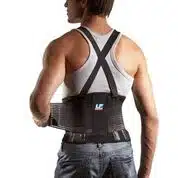
In some cases, a back brace (possibly a thoracic back brace) may be recommended to provide additional support and stability to the spine, especially during activities or periods of increased pain.
Epidural Injections
For individuals with severe pain or nerve compression, epidural steroid injections may be administered to reduce inflammation and alleviate symptoms.
Surgical Intervention
Surgery may be considered if conservative measures fail to provide relief or if the spondylolisthesis is severe, causing significant neurological deficits or spinal instability. Surgical options may include spinal fusion, laminectomy, or decompression procedures to stabilize the spine and alleviate pressure on the nerves.
Conclusion
Spondylolisthesis can cause persistent back pain, leg pain, and reduced mobility, significantly impacting an individual's quality of life. Early diagnosis and appropriate treatment are essential in managing this condition effectively.
By understanding the symptoms, causes, diagnosis, and treatment options of spondylolisthesis, individuals can work with healthcare professionals to develop a personalized treatment plan aimed at reducing pain, improving function, and restoring spinal stability.