The risk factors for chondromalacia include:
- Being overweight;
- Experiencing an injury (e.g. a dislocation or fracture) of the kneecap;
- Being a soccer player, cyclist or someone who is physically active can increase the risk of chondromalacia;
- Being a teenager or healthy young adult.
- Chondromacia is more often observed in females than in males.
People whose kneecaps are abnormally positioned or who have flat feet may also be more at risk for developing chondromalacia.
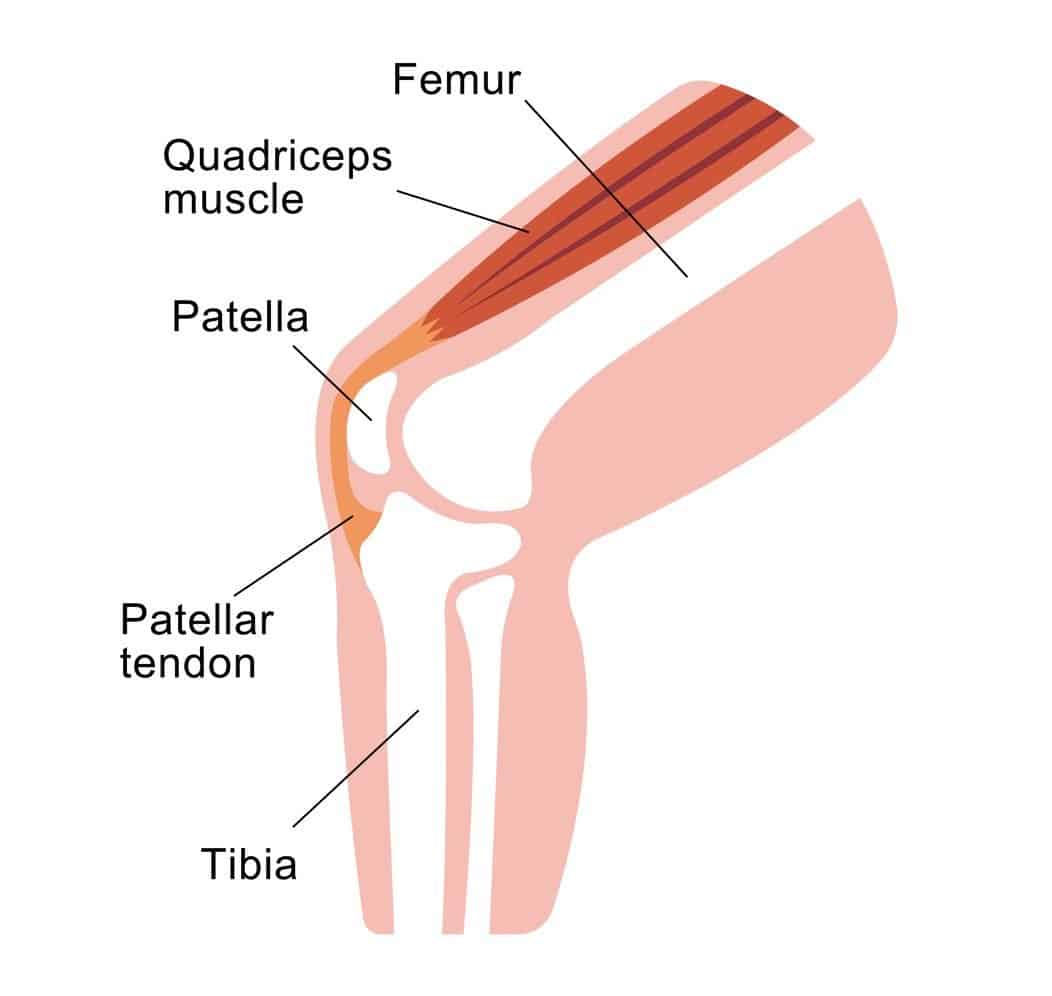
You will feel the pain of chondromalacia behind and below the patella as well as on both sides of it. You may also feel a "grinding" sensation when you flex your knee. Examples of these situations include doing knee bends, going downstairs or running downhill.
To confirm that you are suffering from chondromalacia, your doctor may perform a physical examination. If he or she is still not certain, he may order blood tests or a diagnostic exam such as an X-Ray. In some cases, your doctor may even request an arthroscopic exam to confirm the diagnosis. This involves inserting a tiny camera into the patient's knee to examine the cartilage behind the kneecap.
Orthopedic braces such as the ones below may help by supporting the patella. They can reduce the pain of chondromalacia and allow the injured cartilage under the patella to heal.
Choosing A Chondromalacia Patella Brace
Match the support to the cause:
- Patella stabilizers: keep the kneecap centred to reduce cartilage wear.
- Knee straps: relieve pressure on the kneecap during activity.
- Sleeves: add warmth and comfort for everyday wear.
Is Chondromalacia The Same As Patellofemoral Pain Syndrome?
Chondromalacia is similar to patellofemoral pain syndrome. However, one difference is that the latter does not involve deterioration of the cartilage under the patella.