Causes
The exact cause of Raynaud's is still unknown, but it is believed to involve an exaggerated response of the blood vessels to cold temperatures or emotional stress. There are two primary forms of Raynaud's:
Primary Raynaud's
This is the most common form and occurs without an underlying medical condition. It is often referred to as Raynaud's disease.
Secondary Raynaud's
This form is associated with an underlying medical condition such as autoimmune disorders (e.g., lupus, scleroderma), connective tissue diseases, vascular diseases, certain medications, or occupational exposures.
Symptoms
The hallmark symptom of Raynaud's is the color changes in the fingers and toes, which occur in response to triggers like cold temperatures or emotional stress. The colour changes typically follow a specific pattern:
- Pallor (white) The affected area turns white due to the narrowing of blood vessels, resulting in reduced blood flow.
- Cyanosis (blue): The lack of oxygenated blood causes the affected area to appear blue or purple.
- Rubor (red): As blood flow returns, the area may turn red and become warm or throb.
- Other common symptoms of Raynaud's include numbness, tingling, or a "pins and needles" sensation in the affected extremities. These episodes usually resolve spontaneously, but in severe cases, ulcers or sores may develop.
Diagnosis
If you experience symptoms consistent with Raynaud's, it is crucial to consult a healthcare professional for an accurate diagnosis. The diagnosis typically involves a combination of the following:
Medical History
Your doctor will review your symptoms, medical history, and any potential underlying conditions or medications that may contribute to Raynaud's.
Physical Examination
A thorough examination of the affected areas, along with the hands, feet, and nails, will be conducted to observe color changes, temperature differences, and potential signs of other associated conditions.
Cold Stimulation Test
This test involves immersing your hands or feet in cold water to observe the characteristic color changes and evaluate the severity of the condition.
Blood Tests
Blood tests may be ordered to check for underlying autoimmune disorders or other conditions associated with secondary Raynaud's.
Treatment
While there is no cure for Raynaud's, the treatment focuses on managing symptoms, preventing complications, and avoiding triggers. The treatment approach may include:
Lifestyle Modifications
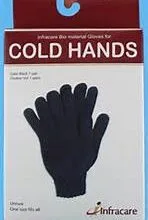
Staying warm and avoiding cold temperatures, wearing layered clothing, using hand and foot warmers (such as gloves and socks), and protecting the extremities from exposure can help reduce symptom severity.
Stress Management
Learning stress-reduction techniques such as relaxation exercises, meditation, or counseling can be beneficial in minimizing emotional triggers.
Medications
In severe cases or secondary Raynaud's, medications may be prescribed to relax blood vessels, improve blood flow, or manage underlying conditions contributing to Raynaud's.
Avoiding Triggers
Identifying and avoiding triggers such as cold temperatures, emotional stress, or certain medications can help prevent episodes of Raynaud's.
Regular Follow-up
Regular check-ups with a healthcare professional are essential to monitor the condition, assess symptom progression,and adjust the treatment plan as needed.
Conclusion
Raynaud's phenomenon can significantly impact the quality of life for those affected. Understanding the causes, recognizing the symptoms, and seeking appropriate medical care are essential for effective management.
By implementing lifestyle modifications, managing stress, and following medical advice, individuals with Raynaud's can minimize the frequency and severity of episodes, improving their overall well-being and reducing the risk of complications.