Adjustable Arm Sling
The Mueller Adjustable Arm Sling comes equipped with an adjustable and padded shoulder strap for maximum comfort and offers arm support to restrict movement and promote rapid healing.

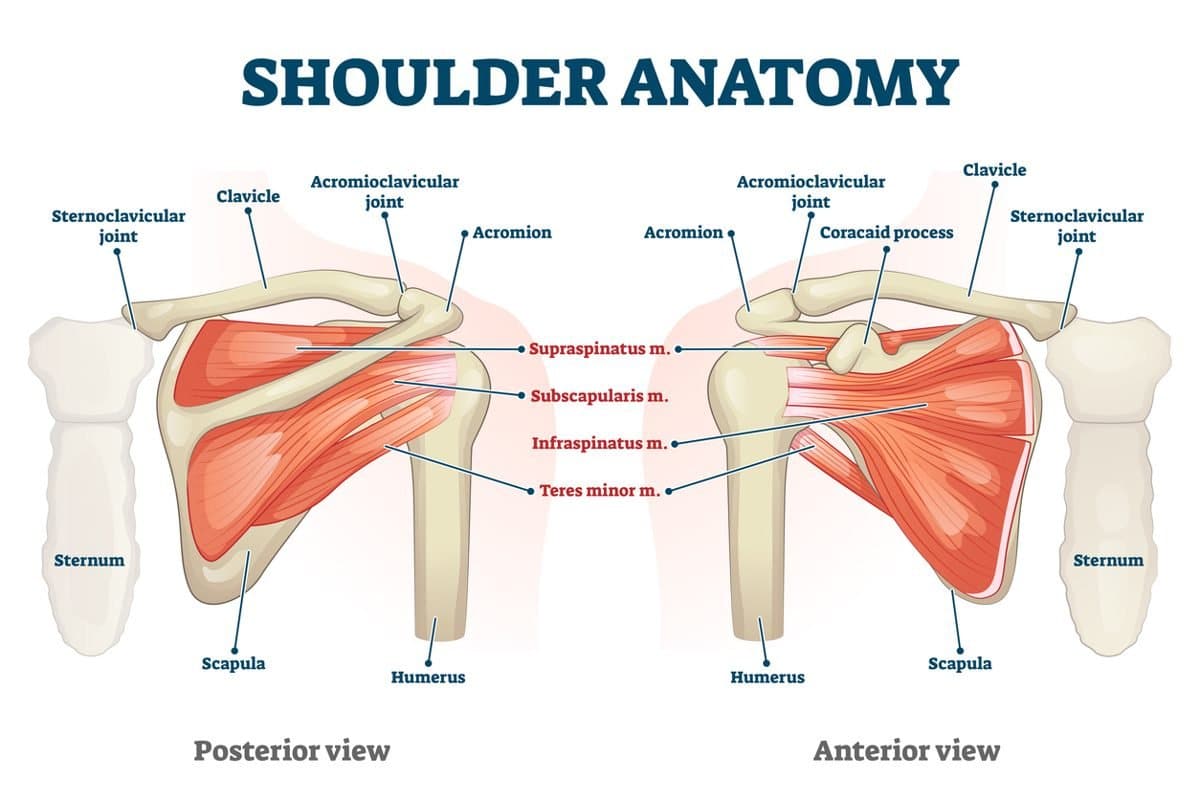
A rotator cuff injury (or torn rotator cuff) is a result of damage (tearing, overstretching or a rupture) to one or more of the four rotator cuff muscles in the shoulder.

The Mueller Adjustable Arm Sling comes equipped with an adjustable and padded shoulder strap for maximum comfort and offers arm support to restrict movement and promote rapid healing.

The LP Arm Sling supports your injured arm and allows its weight to be borne by the back and shoulder. With an adjustable hook and loop closure for proper height adjustment and a special netting material to prevent heat build up, this sling has the features you need to wear it all day long with maximum support and minimum discomfort.

Mueller EasyFit is a range of pre-cut kinesiology tape applications for the knee, shoulder, calf/ankle/neck, foot/arch and waist/back, plus X and Y shapes. Latex free and easy to apply.

Kinesio Tex Classic is the cotton kinesiology tape from the company behind the Kinesio Taping Method, with a latex-free, heat-activated acrylic adhesive.

Mueller kinesiology tape is a latex-free, 100% cotton k tape with a wave-pattern adhesive that lifts the skin as the patient moves. Wear time is up to 5 days, and it comes in 5 m and 30 m clinic rolls.

Mueller kinesiology tape strips come pre-cut on a 5 m roll, with 20 I-strips of 5 x 25 cm, so you can tape quickly without measuring or cutting.

Kinesio PreCut applications are field-tested Kinesio taping shapes, ready to apply without cutting. Each one comes with step-by-step instructions and measurement guides on the backing.

Use the DynaPro Shoulder Pulley for exercises that will improve your shoulder range of motion as you recover from shoulder bursitis, frozen shoulder or a rotator cuff injury.
Rotator cuff injuries are common in sports or other activities that require throwing or similar motions e.g. racquet sports. The role of these muscles is to rotate the arm at the shoulder joint and to provide a supportive cuff around the joint.
In addition to throwing movements, rotator cuff injuries can be a result of activities that require extensive overhead lifting or other activity.
Typical symptoms of a torn rotator cuff are a sudden pain at the instant the injury occurs. This is sometimes accompanied by a tearing feeling. The pain will tend to worsen over time and be accompanied by a feeling of weakness at the shoulder. As a result of this weakness, the individual may be unable to raise the arm to shoulder level.
Treatment of a torn rotator cuff usually involves resting the joint. To treat the pain, a doctor may also recommend that the patient apply ice or a cold compress to the painful area regularly.For additional pain control, the patient can use over the counter pain medications like aspirin.
In addition to the measures, taping the shoulder or using an orthopedic shoulder support can stabilize the joint and take pressure off it. This will give the the joint an opportunity to heal.
Kinesiology taping is also used for these injuries, although evidence that it speeds healing is limited. This in turn facilitates the body's natural healing functions.
Once the injury has healed, the patient can engage a physiotherapist to formulate an exercise program to strengthen the shoulder muscles. This will better equip them to handle the stresses that may have caused the injuries in the first place.