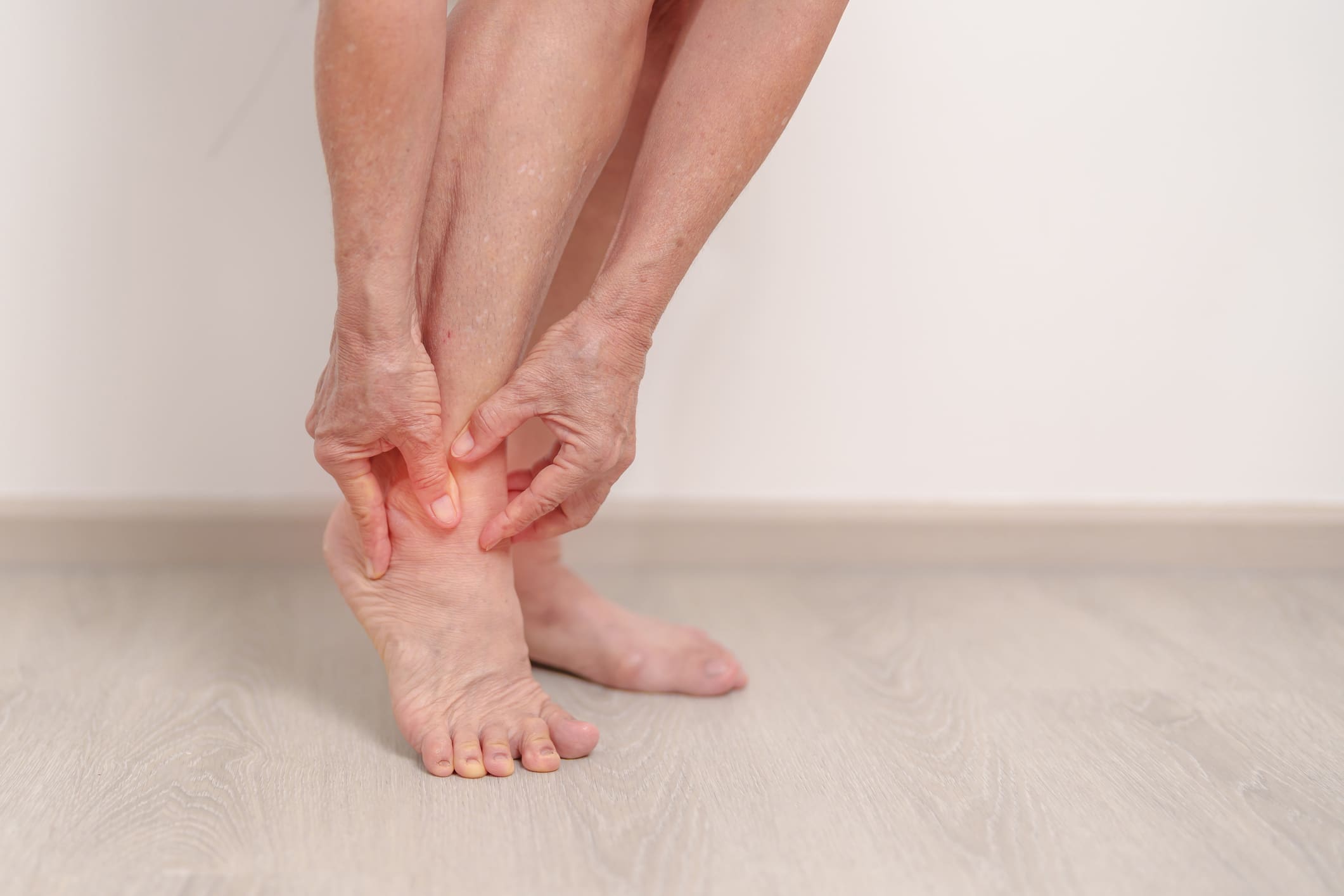
Achilles heel pain refers to pain and discomfort at the back of the leg and near the point at which the calf muscles end at the heel bone. It is one of the more common causes of foot and ankle pain among adults, particularly physically active ones.
In what follows, we shall discuss the nature of this type of pain and the other symptoms. We shall then discuss how a physician would typically diagnose the cause of pain over the Achilles’ heel region. We will also discuss the typical treatments for this pain. Finally, we will discuss the steps one can take to prevent Achilles’ heel pain, or at least to reduce the risk of its occurrence.
What Is The Achilles Tendon?
It is a strong and fibrous band of tissue that connects the calf muscles at the back of the lower leg to the heel bone.
Achilles Tendonitis - Risk Factors & Causes
Tendonitis in this area can be due to an achilles tendon injury from repetitive activity that imposes stress on the tendon. This damage can lead to tendonitis and therefore to Achilles tendon pain.
The risk factors that can increase the likelihood of experiencing this damage include:
- Activities that require sudden stops and starts, such as playing tennis or basketball;
- Excessive participation in impact exercise such as running, walking or jumping, when the feet are repeatedly experiencing shocks due to impact with the ground. Impact exercise on hard surfaces such as concrete is particularly likely to cause Achilles heel pain.
- Increasing your exercise intensity without giving the body a chance to adapt to each new level;
- Wearing shoes that do not fit properly or that have high heels;
- Developing bone spurs at the back of the heel;
- Growing older (the Achilles tendon weakens over time, and thus is more easily damaged by physical exertion).
People with naturally tight calf muscles are particularly likely to experience heel pain after the above activities.
In addition to repetitive stress due exercise, Achilles’ heel pain can also be a result of tendonitis caused by an infection.
Other Symptoms Of Achilles Tendonitis
Besides Achilles heel pain, those suffering from Achilles tendonitis will experience some or all of the following:
- Swelling behind the heel;
- Tightening of the calf muscles;
- Reduced range of motion when trying to flex the foot (by pointing the toes upwards);
- Skin over the achilles tendon feeling “warm to the touch”.
The severity of the pain in Achilles tendonitis is quite variable. It can be a mild ache which eases with exercise or a severe pain which limits walking.
If the pain occurs near the heel (at the bottom of the calf), the tendonitis may be affecting the lower part of the tendon - the point at which it attaches to the heel bone. This type of tendonitis is called insertional Achilles tendonitis.
Diagnosing Achilles Heel Pain
To confirm whether the Achilles heel pain is due to tendonitis, a doctor will get as much information as possible about the pain and swelling in the heel and calf. For example, the patient may be asked when the pain started and when it is at its most intense.
Another important part of the diagnosis is asking the patient to stand (or try to stand) on the balls of the feet. This gives the doctor an opportunity to assess the ankle range of motion and flexibility.
To get an even better idea of the area causing pain, a doctor may palpate (examine by touch) the heel and Achilles tendon areas.
Finally, if the doctor is still uncertain of the cause of the pain, she may request an imaging study of the area.This may take the form of an X-Ray, MRI Scan or ultrasound imaging. The latter two in particular can reveal rupturing or other damage to the Achilles tendon.
It is unusual for an imaging investigation like an X-Ray or an ultrasound to be needed to make a diagnosis. The majority of cases are diagnosed based on information from the patient and examination findings alone.
Treatment Of Achilles’ Heel Pain
Achilles’ heel pain due to tendonitis can be treated in many ways. Some of these are listed below.
Home Based Treatments
If you are experiencing Achilles heel pain, the following conservative treatments can be attempted at home before resorting to more invasive treatments:
- Reducing the intensity and frequency of your physical exercise and allowing the tendon to recover naturally;
- Cross training by switching temporarily to sports or activities that are low impact e.g. swimming or cycling;
- Applying an ice pack or cold compress several times a day to the painful area to reduce pain;
- Taking over the counter pain relief medications or nonsteroidal anti-inflammatory drugs (NSAIDS). Tylenol or Advil are common examples of these;
- Using a walking boot to reduce heel movement while walking and allowing the tendon to heal naturally; and
- Wearing shoes with built up heels. These will reduce the amount of heel movement while walking and ease stress on the Achilles tendon.
Treatment of the other causes of heel pain apart from Achilles tendonitis involves use of one or more of the above-mentioned methods. However, a ruptured Achilles tendon and a fractured heel will usually need surgery.
More Invasive treatments
If the above home-based treatments do not prove effective, your doctor may recommend:
- Steroid injections to reduce the inflammation around the tendon;
- Platelet rich plasma injections, which some doctors use to try to help the tendon heal; and
- Surgical procedures to repair a ruptured tendon and/or remove damaged tissue from the painful area; this will require referral to a specialist in bone and joint problems (orthopaedic surgeon).
Prevention
To conclude, we shall list a few recommended steps for preventing Achilles tendonitis and the heel pain it causes:
- Warm up thoroughly and stretch your calf muscles fully before attempting any physically demanding activity;
- Try to gradually increase the intensity of your workouts and allow your body to adapt before going to the next level;
- Cross train by mixing high and low impact activities;
- Avoid using old or worn out shoes for athletic activities. In addition, choose shoes with adequate cushioning and arch support; and
- Try to avoid going directly from high heeled shoes to flat heeled ones (e.g. at the end of the day). Instead, use a pair of shoes with intermediate heel height for a while before putting on flats or going barefoot.