Understanding the causes, recognizing the symptoms, and knowing the available treatment options for tendonitis can help individuals effectively manage and recover from this condition.
Causes of Tendonitis
Tendonitis often results from repetitive motions or overuse of a particular tendon. Some common causes include:
1. Repetitive Movements: Activities that involve repetitive movements, such as typing, painting, or playing sports like tennis or golf, can put excessive strain on the tendons, leading to tendonitis over time.
2. Overuse and Strain: Engaging in activities that require repetitive motions without proper rest or conditioning can lead to micro-tears in the tendons, causing inflammation and tendonitis.
3. Age and Degeneration: As we age, tendons may naturally degenerate and become less flexible, making them more susceptible to injury and inflammation.
4. Poor Ergonomics and Technique: Incorrect posture, improper body mechanics, or using equipment that does not provide adequate support can contribute to tendonitis.
Symptoms
Tendonitis manifests in various ways, depending on the affected area. Common symptoms include:
1. Pain and Tenderness: Tendonitis typically presents as localized pain and tenderness in the affected tendon. The pain may worsen during or after activities involving the affected tendon.
2. Swelling and Inflammation: Inflamed tendons may become swollen, causing visible or palpable swelling around the affected area.
3. Stiffness and Reduced Range of Motion: Tendonitis can lead to stiffness in the affected joint, making it challenging to move the joint through its full range of motion.
4. Weakness and Loss of Function: Severe cases of tendonitis may result in weakness or an inability to perform certain movements that require the affected tendon.
Treatment Options for Tendonitis
Treating tendonitis typically involves a combination of self-care measures and professional interventions. The following treatment options are commonly recommended:
1. Rest and Activity Modification: Resting the affected tendon and avoiding activities that exacerbate symptoms is crucial. Modifying activities or using ergonomic techniques to reduce strain on the tendon can promote healing.
2. Ice and Heat Therapy: Applying ice packs to the affected area can help reduce inflammation and relieve pain. Heat therapy, such as warm compresses or heating pads, can improve blood flow and promote healing.
3. Pain Relief Medications: Over-the-counter nonsteroidal anti-inflammatory drugs (NSAIDs) can help reduce pain and inflammation associated with tendonitis. Consult a healthcare professional before starting any medication.
4. Physical Therapy: A physical therapist can provide specialized exercises and techniques to stretch and strengthen the affected tendon, improve flexibility, and restore proper biomechanics.
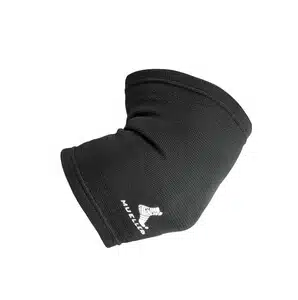
5. Bracing and Supports: Wearing braces, splints, or supports can provide stability, reduce strain on the affected tendon, and promote healing.
6. Corticosteroid Injections: In severe cases, a healthcare professional may recommend corticosteroid injections to reduce inflammation and provide short-term pain relief.
7. Extracorporeal Shockwave Therapy (ESWT): ESWT is a non-invasive treatment that uses high-energy sound waves to stimulate healing and reduce pain in chronic tendonitis cases.
8. Surgery: In rare cases when conservative treatments fail, surgical intervention may be considered to repair or remove damaged tissue.