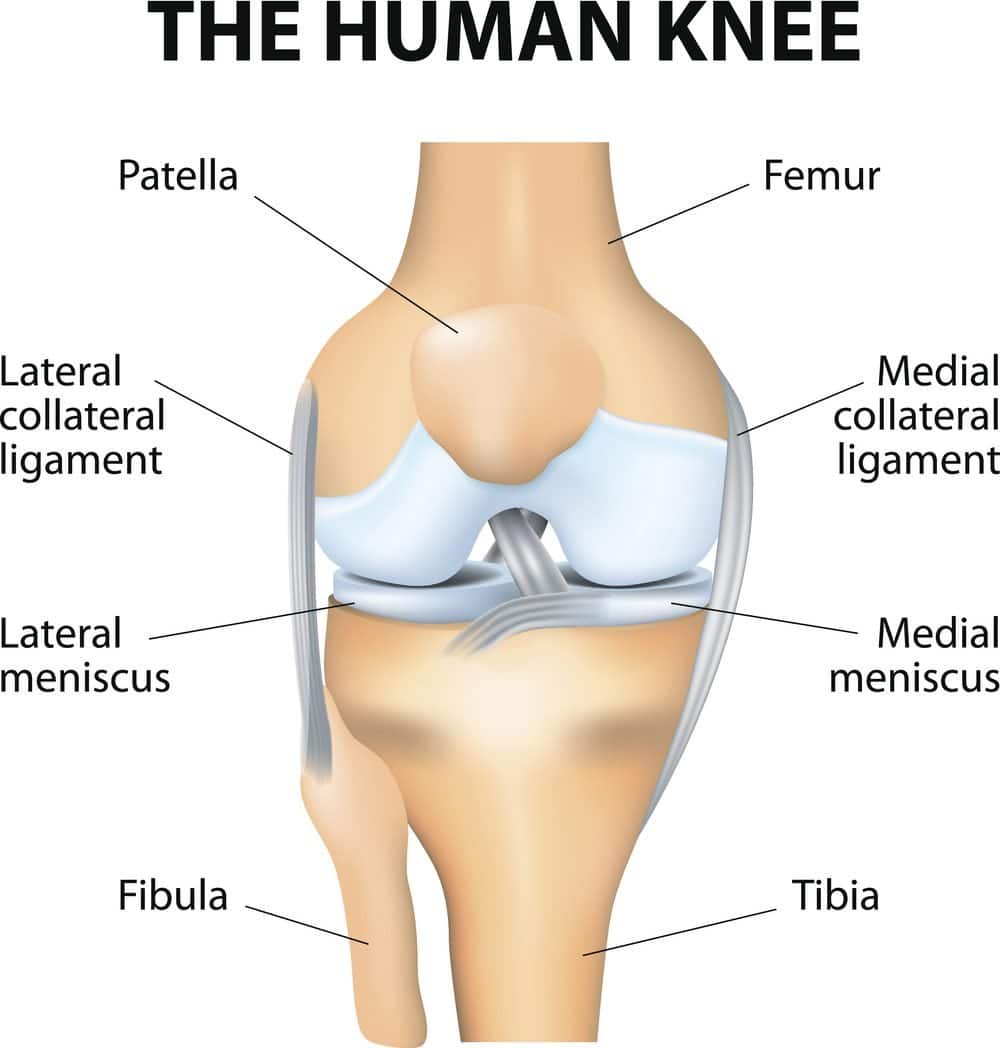
The bursae in the knee reduce friction and cushion pressure points between the bones on one hand and the tendons, muscles and skin near the joint. This type of bursitis usually affects the bursae near the kneecap or those on the inner side of the knee and just below the joint.
Choosing A Knee Bursitis Brace
Match the support to the cause:
- Compression sleeves: help control swelling over the bursa.
- Open-patella sleeves: reduce pressure directly on the front of the knee.
- Knee pads: protect the knee for kneeling work.
Risk Factors
The risk factors that increase the likelihood of developing this condition include prolonged kneeling (perhaps due to job requirements). Playing sports that involve frequent falls onto the knee can also increase exposure to it. Additional risk factors include obesity and osteoarthritis.
What Causes Knee Bursitis?
It can be a result of some or all of the following:
- Frequent and sustained pressure on the knees, perhaps due to extended kneeling on hard surfaces.
- The knee sustaining a direct blow;
- Infection of the bursae by bacteria;
- As mentioned above, knee bursitis can also be a long term consequence of knee arthritis or gout.
Symptoms
This condition usually manifests itself in the form of a warm to the touch feeling over the knee joint. The knee will also feel tender and swollen, especially when the patient presses on it. Movement of the knee may also be painful.
If the condition arises from a trauma (blow) to the knee, these symptoms can appear rapidly. However, knee bursitis usually develops over time and so do its symptoms.
Prevention & Treatment
Individuals who are at risk of developing knee bursitis can tke the following steps to reduce their exposure:
- Wear knee pads to cushion the knees;
- Avoid staying on the knees for too long. Instead, take frequent breaks to give the knees a rest;
- When possible, try to aviod kneeling or squatting for extended periods;
- Follow a weight management program to reduce or eliminate any obesity.
Treatment of knee bursitis is sometimes not a priority as the condition tends to improve naturally over time. If this is the case, the doctor may focus primarily of relieving the pain and discomfort of the condition. However, the following treatment options can be tried:
- Use of antibiotic medication, if the condition is due to a bacterial infection;
- Wearing knee pads to protect and/or cushion the knee. A pair of compressive knee sleeves may also help to reduce swelling.
- A program of physical therapy exercises can strengthen the leg muscles and improve knee flexibility so that the patient can better tolerate long periods of kneeing or squatting.
If the knee bursitis is severe and the above treatments do not work, doctors may consider the following more invasive treatment options:
- Corticosteroid injections that aggressively reduce the inflammation;
- Aspiration of the bursae by drawing the fluid our of them with a hollow needle
- Surgery to remove the infected bursae.