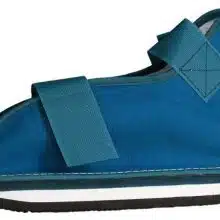
These shoes are primarily for the benefit of diabetic patients suffering from conditions such as neuropathic ulcers or Charcot foot. Patients suffering from pressure ulcers of the foot may also benefit from offloading boots.
Most offloading shoes are designed to fit either the left or right foot.
What Is An Offloading Boot?
They are therapeutic shoes that redistribute pressure from vulnerable areas of the sole of the foot. For diabetic patients, these would be areas where the patient is at risk of developing an ulcer depending on his or her gait pattern and which parts of the foot carry the most weight.
In addition to treating ulcers that form as a result of diabetes, offloading footwear can also protect vulnerable areas of the foot after a patient has undergone foot surgery. By redistributing pressure away from the area that has been operated on, offloading boots can help these surgical wounds heal with less risk of complications.
There are two primary types of offloading boots - those that redistribute pressure away from the heel and those that redistribute it away from the forefoot.
Heel Offloading Boots
These shoes will reduce the pressure felt at the heel or near the back of the foot (i.e. they will offload the heel or reduce heel pressure) and increase the pressure at the forefoot area.
Excess heel pressure can cause serious skin injury behind the heel. If they are not properly treated and managed, these injuries can lead to ulceration in the area. The heel bone has a ridge that puts pressure on the skin covering the heel and makes it more liable to break down under prolonged pressure.
This vulnerability is made worse by the thinness of the skin covering the heel bone and the fact that there is little padding (e.g. muscle or fat) to protect the skin from the bone.
For an example of a heel offloading boot, please see the Darco HeelWedge.
Forefoot Offloading Boots
These boots will do the opposite of the heel offloading boots referred to above, i.e. they will shift the pressure underfoot from the forefoot area (near the toes) to the heel.
A good example of a forefoot unloading boot is the Darco OrthoWedge.
Benefits Of Offloading Boot Use
Offloading boots are a vital component of healthcare, particularly in the management of lower extremity injuries and conditions. These specialized devices are designed to relieve pressure from specific areas of the foot or ankle, promoting healing, reducing pain, and preventing further damage. Offloading boots play a critical role in various healthcare settings, including orthopedics, wound care, and podiatry. In this article, we will explore the importance of offloading boots in healthcare and highlight their benefits in protecting patients and facilitating recovery.
Pressure Relief and Redistribution
Offloading boots are primarily used to relieve pressure from specific areas of the foot or ankle affected by injuries, ulcers, or post-surgical wounds. By redistributing the weight-bearing forces away from these vulnerable areas, offloading boots help alleviate pressure points and reduce the risk of further tissue damage. This pressure relief is particularly crucial for patients with conditions such as diabetic foot ulcers, plantar fasciitis, or Charcot arthropathy, where excessive pressure can hinder healing and lead to complications.
Enhanced Wound Healing
In wound care, offloading boots play a pivotal role in facilitating optimal healing for lower extremity ulcers or open wounds. By offloading pressure from the affected area, these boots minimize shear and friction forces, allowing wounds to heal undisturbed. Reducing pressure on the wound site helps protect blood flow to the healing tissue. Offloading boots also provide a protective environment, shielding wounds from external factors and minimizing the risk of infection.
Pain Reduction and Comfort
Offloading boots help alleviate pain and discomfort associated with lower extremity injuries and conditions. By redistributing weight and reducing pressure on sensitive areas, these boots reduce the strain on injured tissues, ligaments, or joints. This relief from excessive pressure and weight-bearing can significantly decrease pain levels and enhance patient comfort during the healing process. Offloading boots also provide stability and support to the foot and ankle, improving overall mobility and reducing discomfort associated with walking or standing.
Prevention of Complications
Offloading boots are essential in preventing potential complications associated with lower extremity injuries and conditions. Excessive pressure on vulnerable areas can lead to skin breakdown, ulcers, or the development of chronic wounds. By effectively offloading pressure, these boots minimize the risk of complications, such as infection, tissue necrosis, or the progression of existing conditions.
Facilitation of Rehabilitation and Recovery
Offloading boots play a significant role in rehabilitation by protecting the injured area. By relieving pressure, these boots help protect injured tissues from further damage while they heal. Offloading boots can be utilized during the early stages of rehabilitation, providing a controlled and protected environment for injured structures. They allow patients to maintain mobility while minimizing the risk of exacerbating injuries or compromising the healing process.
Customization and Adaptability
Offloading boots offer customization options to accommodate individual patient needs and optimize outcomes. Healthcare professionals can select offloading boots with adjustable features, including customizable insoles, straps, or closures, to achieve optimal pressure redistribution and patient comfort. These boots can also be tailored to address specific conditions or injuries, allowing for personalized care and support.
Offloading Boots & Foot Ulceration
Foot ulceration is one of the most serious complications faced by diabetics. In many cases, foot ulceration is a precursor for a lower extremity amputation.
The risk of foot ulceration is exacerbated by the effect of peripheral neuropathy, which reduces the effectiveness of the nervous system in communicating to the brain when the pressure on vulnerable foot areas is excessive.
Offloading boots and other footwear help to reduce excess forces that may otherwise be applied to areas with ulcers (or that are vulnerable to them), which contributes to faster healing of ulcers. With better management of foot ulcers, the risk of lower extremity amputation is reduced.
Choosing The Best Offloading Boots
When choosing offloading footwear for diabetes wound care or for other patient use, one of the important features to look for is removable insoles. These will provide you with the ability to customize pressure redistribution to suit the circumstances of a wide variety of patients. It is important to note that, since gait patterns differ among individuals, the at risk places will vary across the soles of the foot. As a result, you can analyze the gait pattern of each patient to understand their most vulnerable areas. You can then modify the removable insoles accordingly.
A good offloading boot or shoe will also offer substantial cushioning support to mitigate the pressure of the patient's body weight. It will also offer straps and other features that will enable it to accommodate dressings without putting pressure on them.
Conclusion
Offloading boots are indispensable devices in healthcare, serving a vital role in protecting patients and promoting healing. By relieving pressure, reducing pain and helping to prevent complications, offloading boots contribute to better patient outcomes. They are an essential part of wound care, orthopedics and podiatry.