Compression Socks Benefits: 6 Evidence-Based Reasons To Wear Them
Compression socks benefits range from better circulation and less swelling to more comfortable long-haul flights and faster recovery after exercise. Once found mainly in hospitals, compression socks are now recommended by clinicians for travellers, people who stand all day, pregnant women, patients with venous problems and athletes.
This guide explains how compression socks work, the main compression socks benefits supported by evidence, the difference between socks, stockings and sleeves, and how to choose the right compression level and fit.
How Compression Socks Work

Most medical and sports compression socks use graduated compression: the pressure is highest at the ankle and decreases up the leg. This squeezes the leg’s veins and muscles, helping blood flow back toward the heart instead of pooling in the lower legs. For a closer look at the science, see our guide to compression therapy for venous insufficiency.
Compression Socks Benefits
1. Better Circulation In The Legs
By supporting the veins, compression socks reduce the heavy, aching feeling that comes from long periods of standing or sitting. This is why they are popular with nurses, retail and hospitality workers, and people with desk jobs.
2. Less Swelling And Edema
Compression helps control swelling in the feet and ankles, whether it comes from standing all day, pregnancy, venous insufficiency or an injury. After an ankle sprain, compression is part of early care in the PEACE and LOVE approach.
3. Lower Risk Of Blood Clots On Long Flights
Long-haul travel increases the risk of deep vein thrombosis (DVT), a blood clot in a deep vein of the leg. A Cochrane review found that airline passengers who wore compression stockings had fewer symptomless DVTs than those who did not.
4. Relief For Varicose Veins And Venous Insufficiency
Compression is a standard part of managing the aching, heaviness and swelling that come with varicose veins and chronic venous insufficiency. Higher compression levels are usually recommended by a clinician. See our guide to varicose vein treatment.
5. Recovery After Exercise

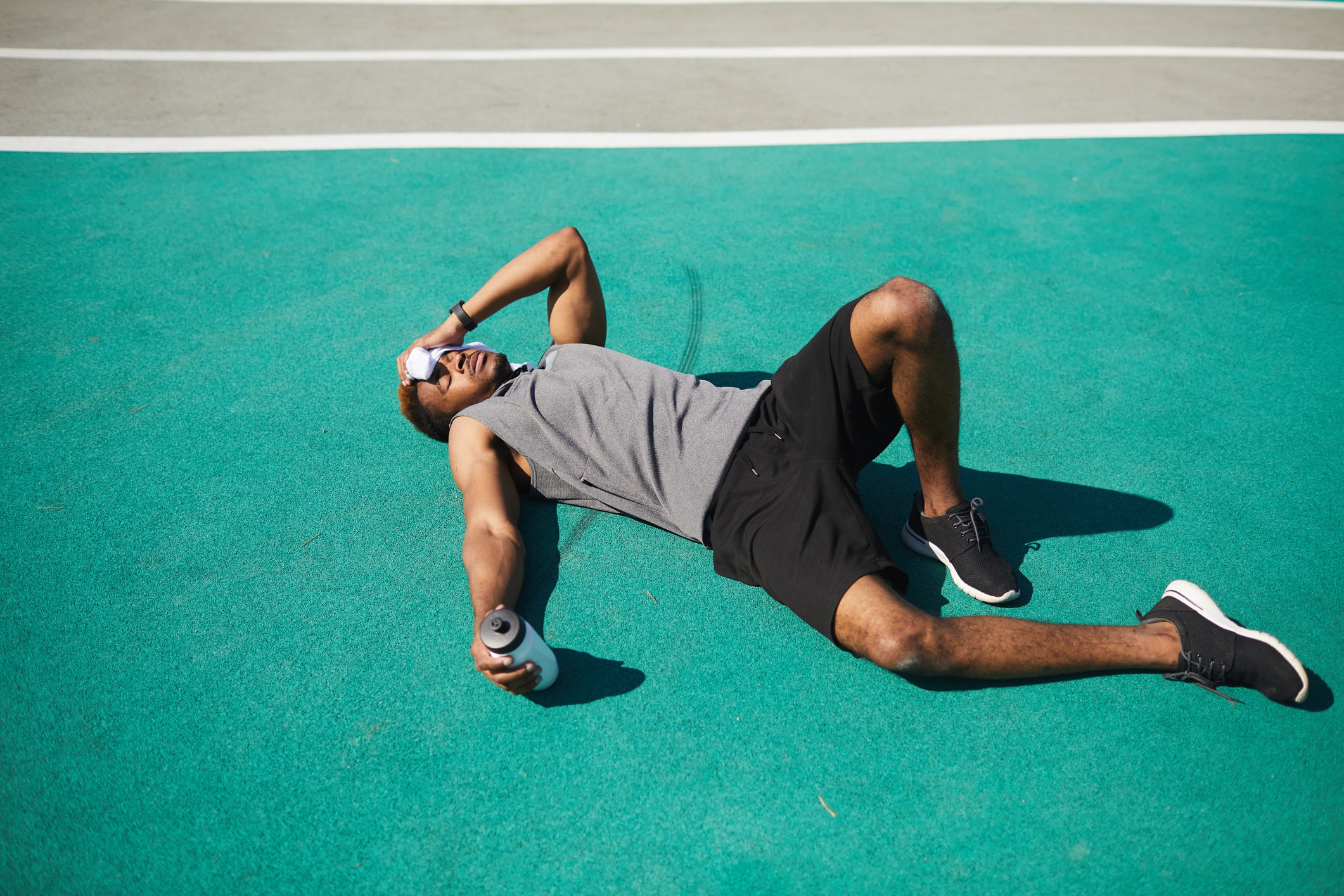
Athletes often wear compression socks after hard training or competition. Studies suggest they may reduce perceived muscle soreness and fatigue in the following days, although the effect on performance itself is small.
6. Less Muscle Vibration
Compression limits the vibration of the calf muscles with each footstrike. Some runners find this more comfortable over long distances, although the evidence that it improves performance is limited.
Compression Socks, Stockings And Sleeves
- Compression socks run from the foot to just below the knee and suit most everyday and sports uses.
- Compression stockings extend to the thigh or waist and are used when swelling or venous problems affect the whole leg, such as the LEGEND Simply Sheer Compression Stockings and LEGEND MicroFiber Opaque Compression Stockings.
- Calf compression sleeves cover the calf but not the foot, and are popular with runners. Browse our calf compression sleeves.
Choosing The Right Compression Level
The right level depends on which compression socks benefits matter most. Compression is measured in millimetres of mercury (mmHg). As a general guide:
- 8–15 mmHg (mild): tired, achy legs and everyday comfort.
- 15–20 mmHg (moderate): travel, standing jobs, mild swelling and sport.
- 20–30 mmHg (firm): varicose veins, moderate swelling and post-surgical use, usually on a clinician’s advice.
- 30–40 mmHg and above (medical): more severe venous disease and lymphedema, fitted under medical supervision.
Compression is not suitable for everyone. People with peripheral arterial disease, severe neuropathy, fragile skin or heart failure should be assessed by a clinician before wearing compression socks.
Getting The Fit Right

Measure ankle and calf circumference, and for stockings the thigh, first thing in the morning before swelling builds, following the manufacturer’s size chart. Put compression socks on in the morning, smooth out any wrinkles, and never fold the top band down, as this can create a tight ring around the leg.
Dunbar Medical carries compression socks and stockings from LEGEND Compression Wear, including the LEGEND Compression Performance Socks (15–20 mmHg), LEGEND Compression Recovery Socks (20–30 mmHg), LEGEND TUFF Compression Socks and LEGEND Casual Trouser Socks, as well as sports options such as the McDavid Elite Compression Socks. Browse our full range of compression socks and stockings.
Frequently Asked Questions
What are the main compression socks benefits?
Better circulation, less leg swelling and aching, a lower risk of blood clots on long flights, relief for varicose veins and less muscle soreness after exercise.
Who should wear compression socks?
People who stand or sit for long periods, travellers on long flights, pregnant women, people with varicose veins or venous insufficiency, and athletes.
Can you wear compression socks all day?
Yes, most people put them on in the morning and take them off at bedtime. They are not usually worn overnight unless a clinician advises it.
Who should not wear compression socks?
People with peripheral arterial disease, severe neuropathy, fragile skin or heart failure should check with a clinician first.
Compression Wear For Clinics And Pharmacies
Dunbar Medical supplies pharmacies, physiotherapy clinics and sports teams across Canada with compression wear from LEGEND and McDavid. Please contact our team for product advice.
Conclusion
Compression socks benefits are well established for leg swelling, venous problems and long-haul travel, and many athletes find them useful for recovery. Choosing the right compression level and getting the fit right are the keys to comfort and results.