Medial Tibial Stress Syndrome: Causes, Treatment And Return To Running
Medial tibial stress syndrome (MTSS), better known as shin splints, is pain along the inner border of the shinbone caused by repeated stress on the tibia and the muscles attached to it. It is one of the most common overuse injuries in runners, field and court athletes, dancers and military recruits, and it often appears after a sudden increase in training.
This guide explains what causes medial tibial stress syndrome, how clinicians tell it apart from a tibial stress fracture, and how treatment, load management, taping, compression and footwear help athletes return to running.
What Is Medial Tibial Stress Syndrome?

Medial tibial stress syndrome causes diffuse pain and tenderness along the lower two-thirds of the inner (posteromedial) border of the tibia. It is thought to result from a combination of bone stress, where the tibia does not adapt quickly enough to repeated loading, and irritation where the calf muscles and their fascia attach to the bone. Physiopedia gives a detailed clinical overview of the condition.
Typical features include:
- Pain along a stretch of at least five centimetres of the inner shin, rather than one small spot.
- Pain that is worst at the start of a run, may ease during activity and returns afterwards.
- Tenderness when pressing along the inner edge of the tibia.
- In more advanced cases, pain during walking or at rest.
Causes And Risk Factors
- Training errors: increasing distance, speed or frequency too quickly, or returning after a break.
- Hard or uneven surfaces: running on concrete, hills or banked tracks.
- Foot mechanics: excessive pronation (rolling in) of the foot.
- Weak or tight calf muscles and reduced hip and core control.
- Worn or unsuitable footwear.
- Previous episodes of medial tibial stress syndrome, being female and lower bone density.
Medial Tibial Stress Syndrome vs Stress Fracture
Untreated medial tibial stress syndrome can progress towards a tibial stress fracture, so telling them apart matters:
- Area of pain: MTSS pain is spread along the bone; stress fracture pain is usually sharp and focused on one spot.
- Pain pattern: stress fractures often hurt with walking, at night or at rest, and hopping on the affected leg is very painful.
- Imaging: X-rays are often normal early on; MRI is the preferred test when a stress fracture is suspected.
Athletes with focal bone pain, pain at rest or pain with hopping should be assessed by a physician before continuing to run.
Treating Medial Tibial Stress Syndrome

- Relative rest and load management: reduce running to a pain-free level and cross-train with cycling, swimming or pool running.
- Cold therapy: a cold pack such as the Mueller Reusable Hot/Cold Pack or Mueller Kold Instant Cold Pack can ease pain after activity.
- Strengthening: calf raises, tibialis posterior exercises with TheraBand Resistance Bands, and hip and core work.
- Footwear and insoles: supportive shoes, replaced regularly, and insoles such as Step Easy Full Length Insoles or Waffle Support Gel Insoles.
- Gradual return to running: a walk-run program on soft surfaces, increasing load by small steps each week.
Recovery from medial tibial stress syndrome usually takes several weeks, and longer if training continues through pain.
Compression, Supports And Taping
Many athletes use support during the return to running. Options include:
- Shin splint sleeves and supports: the Runners Therapy Shin Splint Sleeve, Mueller Adjustable Calf/Shin Splint Support and LP Shin Support.
- Calf compression sleeves: the BioSkin Calf Skin, McDavid Compression Calf Sleeves and LEGEND Compression Leg Sleeves.
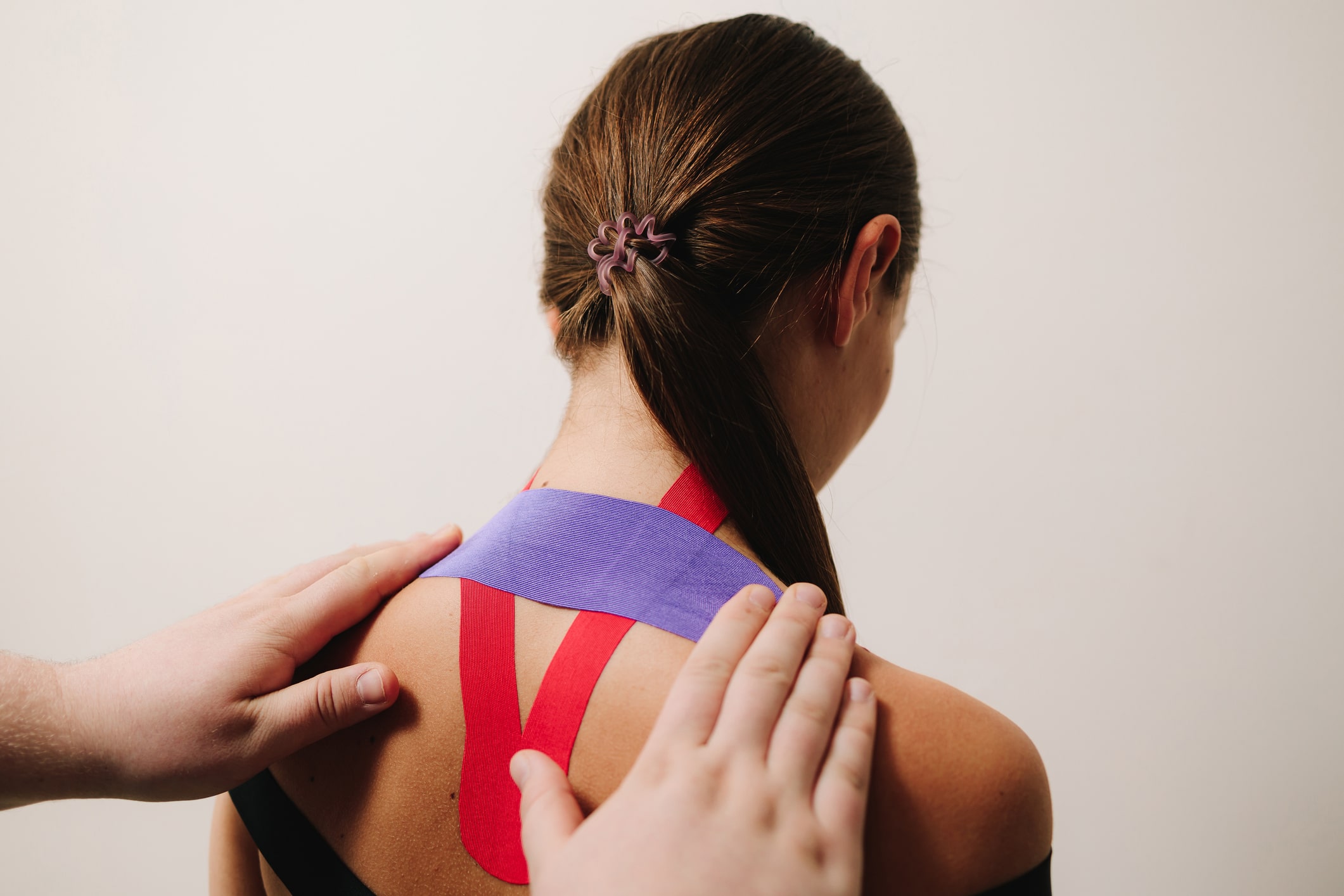
- Kinesiology tape: such as Kinesio Tex Gold and Mueller EASYFIT Kinesiology Tape, applied along the inner shin.
Supports can make running more comfortable, but they work best alongside load management and strengthening. Browse our calf and shin supports and calf compression sleeves.
Preventing Shin Pain In Runners

- Increase weekly running volume gradually and build in recovery weeks.
- Mix running surfaces and include softer trails or tracks.
- Strengthen the calves, feet and hips year-round.
- Replace running shoes regularly.
- Treat early shin pain promptly rather than running through it.
For other running problems, see our guides to IT band syndrome in runners, patellar tendonitis and peroneal tendonitis.
Frequently Asked Questions
What is medial tibial stress syndrome?
Medial tibial stress syndrome, or shin splints, is pain along the inner border of the shinbone caused by repeated stress on the bone and the muscles attached to it.
How long does medial tibial stress syndrome take to heal?
Most cases improve over several weeks with relative rest and a gradual return to running, but it can take longer if training continues through pain.
Can I run with medial tibial stress syndrome?
Running may be possible at a reduced, pain-free level, but pain that worsens, focal bone pain or pain at rest should be assessed to rule out a stress fracture.
Do compression sleeves help shin splints?
Compression sleeves and supports can make running more comfortable, but they should be combined with load management and strengthening.
Supplies For Clinics And Teams
Dunbar Medical supplies physiotherapy clinics, athletic therapists, running stores and sports teams across Canada with shin supports, compression sleeves, kinesiology tape and rehabilitation equipment. Please contact our team for product advice.
Conclusion
Medial tibial stress syndrome is a common overuse injury that responds well to early management. Reduce load, strengthen the lower leg, correct footwear and training errors, and use supports to ease the return to running, while watching for signs of a stress fracture.