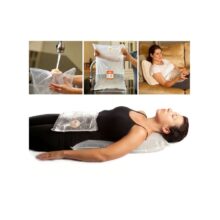
Therapy Pillow

Therapy pillows, including water pillows like HydroHug, play a significant role in rehabilitation medicine by providing targeted relief, promoting recovery, and enhancing patient comfort during the healing process. Their importance stems from their ability to combine functionality and therapeutic benefits, making them an effective tool for managing various physical conditions and injuries.

Key Roles of Therapy Pillows in Rehabilitation Medicine

  1. Pain Relief and Muscle Relaxation
    • Therapy pillows can deliver localized heat or cold therapy, which is effective in reducing pain and muscle tension. Heat increases blood flow to the affected area, relaxing muscles and soothing stiffness, while cold therapy reduces inflammation and numbs acute pain.
    • They are often used to alleviate discomfort associated with conditions such as muscle strains, joint pain, or post-surgical recovery.
  2. Improved Circulation
    • By applying consistent heat, therapy pillows help dilate blood vessels, promoting better circulation. Enhanced blood flow speeds up the delivery of oxygen and nutrients to tissues, aiding in the healing process.
    • This is especially beneficial for patients recovering from soft tissue injuries or those with chronic conditions like arthritis.
  3. Support and Alignment
    • Water-based therapy pillows conform to the body’s natural curves, providing customized support for areas like the neck, back, and joints. This helps maintain proper alignment, reducing strain on muscles and joints during rest or rehabilitation exercises.
    • Proper support is critical in preventing additional injuries and promoting long-term musculoskeletal health.
  4. Versatility in Therapy
    • Therapy pillows offer dual functionality, enabling both heat and cold treatments, which are essential components of rehabilitation protocols. For instance, cold therapy is recommended immediately after an injury to reduce swelling, while heat therapy is used later to improve flexibility and promote healing.
    • Their adaptability makes them suitable for diverse conditions and patient needs.
  5. Stress Reduction and Relaxation
    • Stress and tension often accompany physical pain and injury. Therapy pillows provide a comforting sensation, reducing stress and enhancing relaxation during recovery. This can have a positive impact on mental well-being, which is closely tied to physical health.
  6. Convenience and Accessibility
    • Portable and easy to use, therapy pillows allow patients to continue their treatment at home, extending the benefits of clinical rehabilitation. This accessibility encourages consistent use, which is crucial for effective recovery.

Applications in Rehabilitation Medicine

  • Orthopedic Rehabilitation: Aid in recovering from injuries like sprains, fractures, and surgeries.
  • Sports Medicine: Help athletes recover from muscle fatigue, cramps, or overuse injuries.
  • Chronic Pain Management: Provide relief for conditions such as fibromyalgia, arthritis, and lower back pain.
  • Postoperative Recovery: Reduce swelling and manage pain after surgeries like joint replacements or soft tissue repairs.
  • Neurological Conditions: Enhance comfort and support for patients with neurological disorders requiring prolonged bed rest.

Conclusion

Therapy pillows, particularly water pillows, are essential tools in rehabilitation medicine. Their ability to provide effective, non-invasive treatment for pain relief, support, and relaxation makes them a cornerstone in patient recovery and well-being. By integrating these tools into care plans, rehabilitation specialists can enhance therapeutic outcomes and improve the quality of life for their patients.

Suggested Therapy Pillow Products