PEACE And LOVE Injury Care: What To Do In The First 24 Hours And Beyond
The PEACE and LOVE injury framework is a modern guide to managing soft tissue injuries such as sprains and strains. For years, the standard advice was RICE: rest, ice, compression and elevation. PEACE and LOVE updates that advice, covering both the first days after injury and the weeks of recovery that follow, with more emphasis on movement, education and a positive outlook.
This guide explains each step of the PEACE and LOVE injury approach, what to do in the first 24 hours after a soft tissue injury, and when an injury needs urgent medical attention.
From RICE To PEACE And LOVE Injury Care

The PEACE and LOVE injury framework was introduced by physiotherapists Blaise Dubois and Jean-Francois Esculier in the British Journal of Sports Medicine. It keeps the useful parts of RICE, such as compression and elevation, but questions prolonged rest and routine use of ice and anti-inflammatory medication, and adds guidance on the later stages of recovery.
PEACE: The First Days After Injury
The first half of the PEACE and LOVE injury framework covers the first one to three days:
- P – Protect. Unload the injured area and avoid activities that increase pain for the first one to three days. Keep rest short, since prolonged rest can weaken tissue.
- E – Elevate. Raise the injured limb above the level of the heart when possible to help fluid drain away.
- A – Avoid anti-inflammatories. The authors suggest avoiding anti-inflammatory medication and treatments in the early phase, as they may interfere with healing. Ice is not ruled out for pain relief, but it is no longer seen as essential.
- C – Compress. A compression bandage, tensor bandage or tape helps limit swelling. It should feel snug, never tight enough to cause numbness, tingling or colour change.
- E – Educate. Explain the expected recovery and the benefits of an active approach. Patients who understand their injury tend to avoid both overtreatment and doing too much too soon.
LOVE: The Weeks That Follow
Once the first few days have passed, the LOVE half of PEACE and LOVE injury care takes over:
- L – Load. Return to normal activities and exercise as soon as symptoms allow, letting pain guide the pace. Gradual loading helps tissue repair and rebuild strength.
- O – Optimism. Confidence and positive expectations are linked to better outcomes, while fear and worry can slow recovery.
- V – Vascularisation. Pain-free cardiovascular exercise, such as cycling or swimming, increases blood flow to the injured area and supports recovery.
- E – Exercise. A progressive program to restore mobility, strength and balance reduces the risk of the injury coming back. For ankle injuries, see our guide to exercises for ankle sprain rehab.
What To Do In The First 24 Hours

In practice, applying PEACE and LOVE injury care on the first day comes down to a few steps:
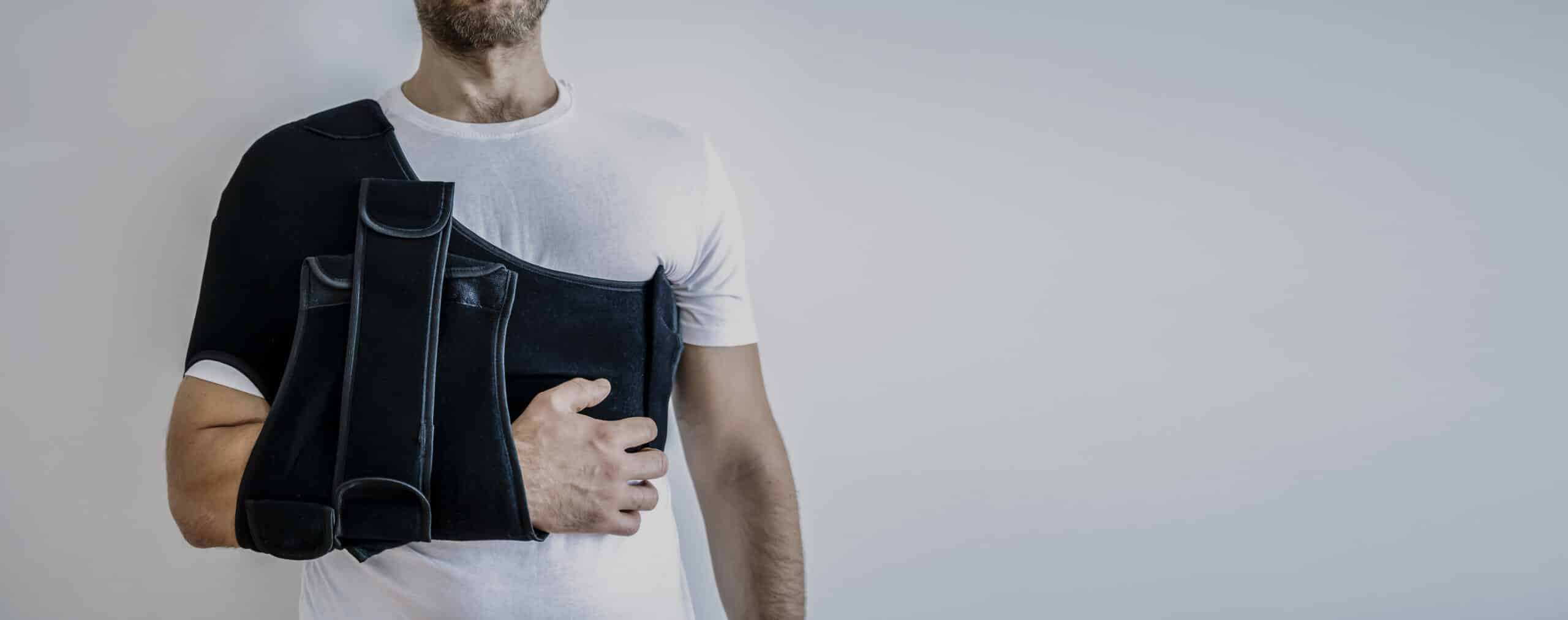
- Stop and protect. Take the athlete out of play, and avoid walking or loading through pain. A brace or support can protect the area if needed.
- Compress and elevate. Apply compression early with a Tensor Bandage, Tubigrip Tubular Bandages or Cramer Compressionette, and keep the limb raised when resting.
- Use cold for pain if helpful. Apply a cold pack such as the Mueller Kold Instant Cold Pack or Mueller Reusable Hot/Cold Pack, wrapped in a cloth, for 10 to 20 minutes at a time. Our guide to cryotherapy explains how to apply cold safely.
- Move gently. Pain-free movement of the surrounding joints helps prevent stiffness.
- Get assessed. A physiotherapist, athletic therapist or physician can confirm the diagnosis and set a recovery plan.
When To Seek Urgent Care
Some injuries need medical attention right away. Refer urgently if the athlete cannot bear weight, there is obvious deformity, swelling is severe and immediate, there is numbness or a cold, pale limb, or pain is severe and not settling. These signs can point to a fracture, dislocation or complete tear.
Frequently Asked Questions
What does PEACE and LOVE stand for?
PEACE stands for Protect, Elevate, Avoid anti-inflammatories, Compress and Educate. LOVE stands for Load, Optimism, Vascularisation and Exercise.
Is PEACE and LOVE better than RICE?
PEACE and LOVE builds on RICE by adding education, early loading and exercise, and by questioning prolonged rest and routine anti-inflammatory use.
Should I still ice an injury?
Ice can still be used to relieve pain, but it is no longer considered essential, and it should be applied for short periods with a cloth between the ice and the skin.
How soon should I start moving after an injury?
Usually within one to three days, as pain allows. Gentle, pain-free movement and gradual loading support healing, which is central to PEACE and LOVE injury care.
Supplies For The First 24 Hours
Dunbar Medical supplies sports teams, athletic therapists, physiotherapy clinics and pharmacies across Canada with compression bandages, cold packs, athletic tape and braces for acute injury care. Please contact our team for product advice.
Recovery After Injury Starts On Day One
The PEACE and LOVE injury approach is a reminder that recovery after injury is active from the start. Protection and compression in the first days, followed by gradual loading, cardiovascular exercise and a progressive exercise program, give soft tissue injuries the best chance to heal well.