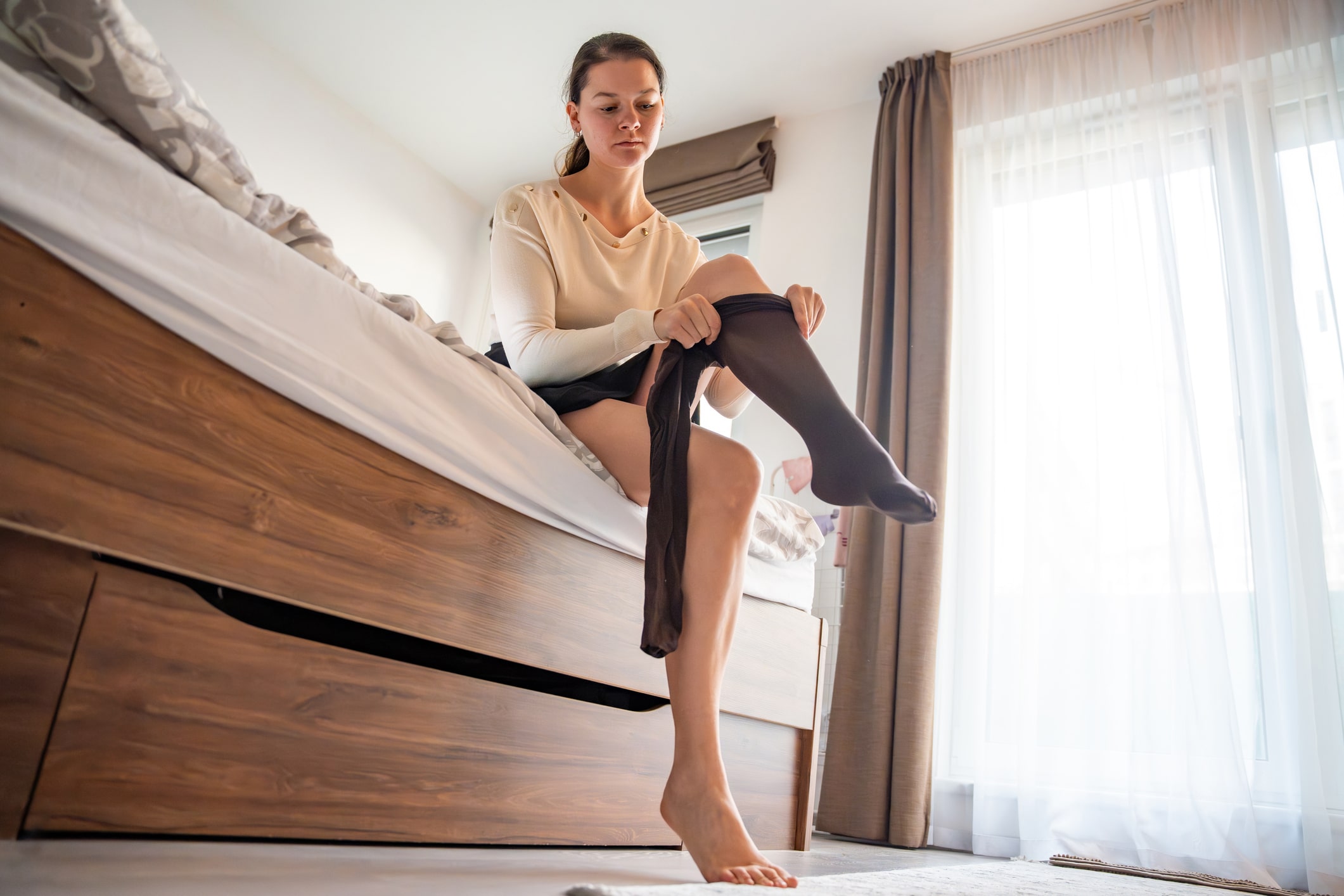
Compression Therapy For Venous Insufficiency: How Graduated Compression Works
Compression therapy for venous insufficiency is one of the most widely used treatments for tired, aching and swollen legs caused by poor vein function. Graduated compression stockings apply the most pressure at the ankle and less further up the leg, helping blood return to the heart and reducing swelling.
This guide to compression therapy for venous insufficiency explains what the condition is, how graduated compression works, the main compression levels, and how clinicians and pharmacies can help patients choose and fit compression stockings.
What Is Venous Insufficiency?
In healthy leg veins, one-way valves keep blood moving up towards the heart. In chronic venous insufficiency (CVI), the valves or vein walls are weakened, so blood pools in the lower legs. According to the Cleveland Clinic, symptoms can include leg swelling, aching or heaviness, itching, varicose veins, skin colour changes and, in advanced cases, leg ulcers.
Risk factors include age, family history, pregnancy, excess weight, prolonged standing or sitting, and a history of blood clots in the legs.
How Compression Therapy For Venous Insufficiency Works

Graduated compression stockings are tightest at the ankle and gradually less tight up the leg. This pressure gradient:
- supports the vein walls and helps the valves close more effectively;
- helps push blood up the leg towards the heart;
- reduces the amount of fluid that leaks into the tissues, which helps control swelling; and
- can ease the aching, heavy feeling that many patients describe at the end of the day.
Compression treats the symptoms of venous insufficiency rather than curing the underlying vein problem, so it is usually worn every day for the long term.
Compression Levels
Compression is measured in millimetres of mercury (mmHg). Common ranges include:
- 8 to 15 mmHg: light compression for tired legs and travel.
- 15 to 20 mmHg: moderate compression for mild swelling, early varicose veins and long periods of standing or sitting.
- 20 to 30 mmHg: firm compression, often recommended for venous insufficiency, varicose veins and moderate swelling.
- 30 to 40 mmHg and above: medical-grade compression for more severe venous disease, usually prescribed and fitted by a health care professional.
Patients with diabetes, peripheral arterial disease or reduced sensation should be assessed before using compression, as it is not suitable for everyone.
Fitting Compression Stockings

Correct sizing is essential for compression therapy for venous insufficiency to work well. Measure the ankle and calf circumference (and thigh for thigh-high styles) first thing in the morning, before swelling builds up. Stockings should be put on in the morning and smoothed out so there are no wrinkles or rolled bands, which can create a tourniquet effect.
Styles include knee-high, thigh-high and pantyhose, in sheer and opaque fabrics. Dunbar Medical carries the LEGEND Simply Sheer Compression Stockings, LEGEND MicroFiber Opaque Compression Stockings and LEGEND TUFF Compression Socks. Browse our full compression sock and stocking range.
Other Measures That Help
- regular walking and calf exercises to activate the calf muscle pump;
- raising the legs above heart level when resting;
- avoiding long periods of standing or sitting without a break; and
- maintaining a healthy weight.
For more on treatment options for visible varicose veins, see our guide to varicose vein treatment.
Frequently Asked Questions
Do compression stockings help venous insufficiency?
Graduated compression is a standard treatment that can help reduce swelling and leg aching in venous insufficiency, although it does not cure the underlying vein problem.
What compression level is used for venous insufficiency?
20 to 30 mmHg is commonly recommended, with higher levels for more severe disease. A health care professional should advise on the right level.
How long should compression stockings be worn each day?
They are usually put on in the morning and taken off at bedtime, unless a clinician advises otherwise.
Who should not wear compression stockings?
People with significant arterial disease, certain skin conditions or reduced sensation should be assessed first, as compression may not be safe for them.
Compression Stockings For Pharmacies And Clinics
Dunbar Medical supplies pharmacies, foot care clinics, physiotherapy clinics and long-term care homes across Canada with LEGEND compression stockings and socks. Please contact our team for sizing charts and product advice.
Conclusion
Compression therapy for venous insufficiency is simple, non-invasive and effective at easing swelling and aching legs. Choose the right compression level, measure carefully, put stockings on in the morning and combine compression with walking and leg elevation for the best results.