Return To Play: Stages, Criteria And How To Reduce Re-Injury
Return to play is the final stage of sports injury rehabilitation, when an athlete moves from treatment back to full training and competition. Returning too early raises the risk of re-injury, while returning too late can cost fitness, confidence and playing time. A clear, criteria-based return to play process helps clinicians, coaches and athletes make the right decision.
This guide explains the stages of rehabilitation that lead to return to play, the criteria clinicians use, who should be involved in the decision, and how bracing, taping and conditioning support the final steps.
What Does Return To Play Mean?

The 2016 consensus statement on return to sport describes return to play as a continuum with three stages: return to participation (training at a reduced level), return to sport (playing, but not yet at full performance) and return to performance (playing at or above the pre-injury level). Thinking of return to play as a process, rather than a single decision, helps manage risk.
The Stages Of Sports Injury Rehabilitation
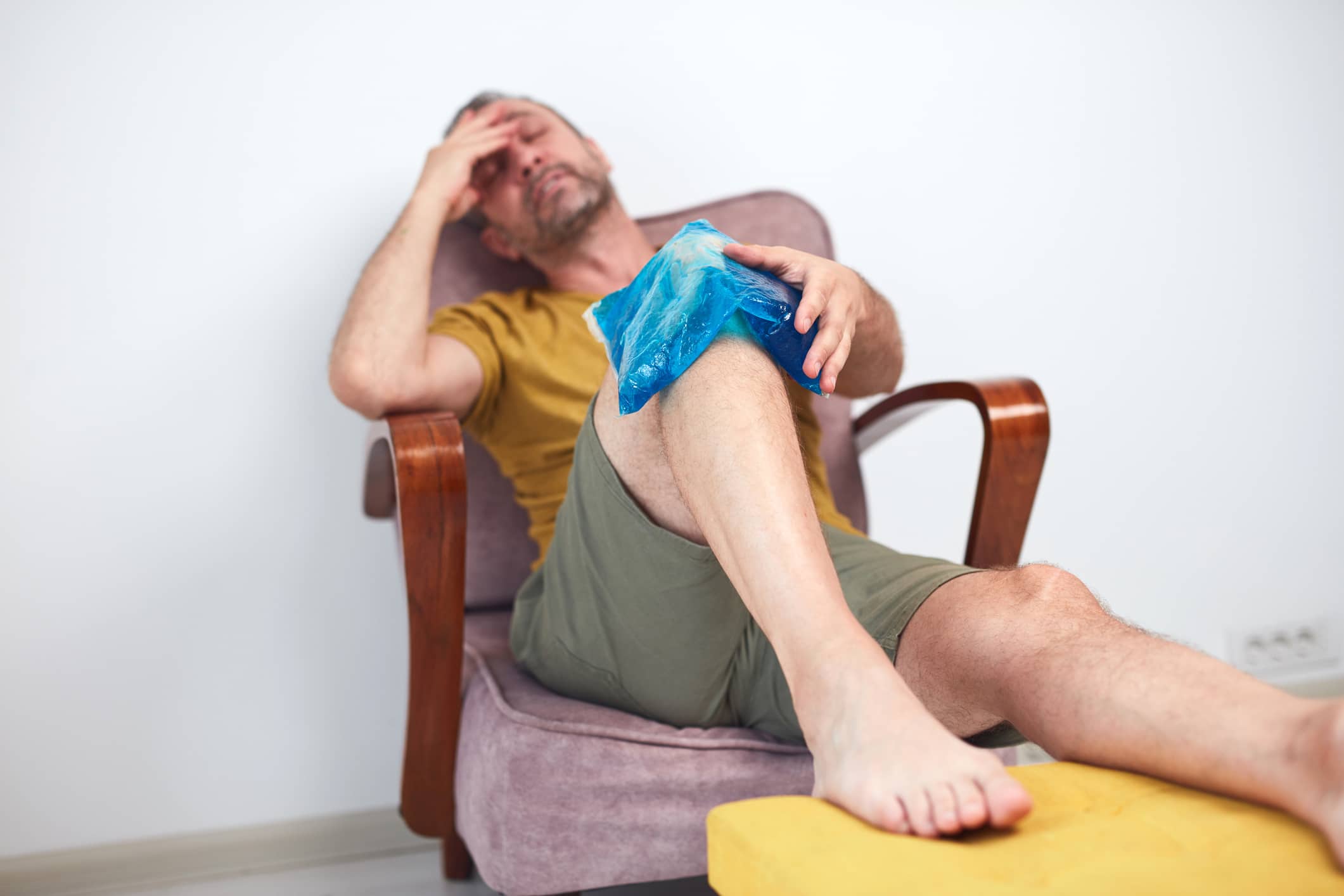
- Acute phase: protect the injury, control pain and swelling, and maintain fitness elsewhere. See the PEACE and LOVE approach.
- Restoring movement: regain range of motion and normal walking or arm function.
- Rebuilding strength and control: progressive strengthening, balance and proprioception training.
- Sport-specific training: running, cutting, jumping, throwing and drills that mimic the demands of the sport.
- Return to play: a gradual return to full training and then competition.
Return To Play Criteria

Time since injury alone is not a reliable guide. Clinicians typically look for:
- Pain and swelling: little or no pain, and no swelling after training.
- Range of motion: full or near-full movement compared with the uninjured side.
- Strength: strength within about 10 percent of the uninjured side, measured with tests such as a hand-held dynamometer or hop tests.
- Function: the ability to complete sport-specific movements at full intensity without pain or compensation.
- Psychological readiness: confidence in the injured area and no significant fear of re-injury.
Who Makes The Return To Play Decision?
The decision is best shared between the athlete, the treating physician, physiotherapist or athletic therapist, and the coach. Each brings a different view: the clinician assesses healing and function, the coach knows the demands of the sport and the athlete reports how they feel. For concussion, provincial and sport-specific return to sport protocols must also be followed. See our guides to the sports medicine physician and certified athletic therapist roles.
Supporting The Final Steps

- Conditioning: cycling, pool work and other low-impact training maintain fitness during rehabilitation.
- Balance and agility training: using equipment such as the Airex Balance Pad and BOSU Balance Trainer.
- Resistance training: progressive loading with TheraBand Resistance Bands and CanDo Low Powder Exercise Band.
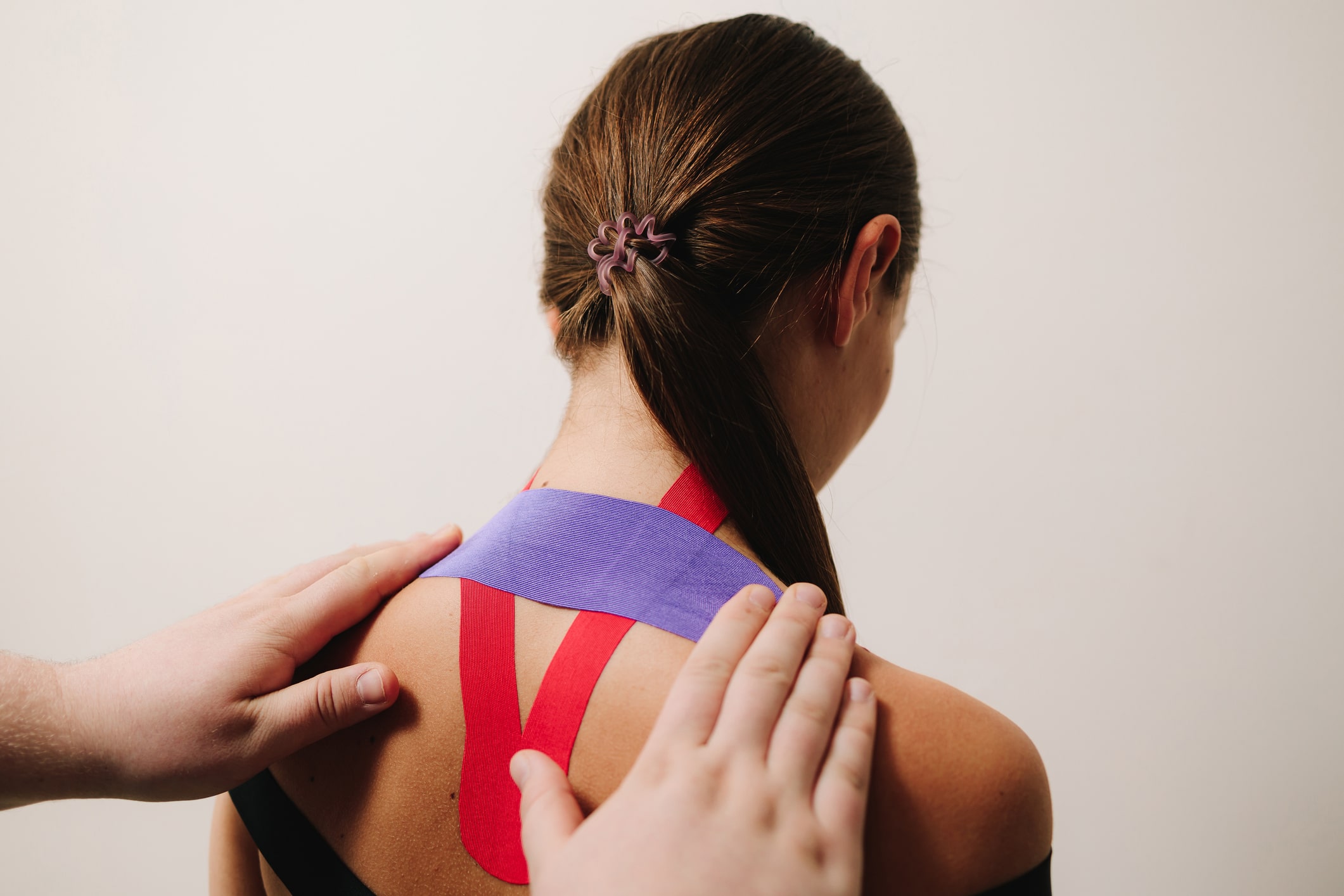
- Bracing and taping: many athletes wear a brace or tape for the first weeks back, such as an ankle brace or knee brace, or athletic tape.
- Monitoring: tracking training load, pain and swelling during the first weeks back.
Reducing The Risk Of Re-Injury
The risk of re-injury is highest in the weeks after returning. A graded return to training, continued strengthening and balance exercises, adequate recovery between sessions and good communication between the athlete and their support team all reduce that risk. For more on preventing injuries, see our article on sports injury prevention.
Frequently Asked Questions
What does return to play mean?
Return to play is the final stage of rehabilitation, when an injured athlete moves back to full training and competition.
How do clinicians decide when an athlete can return to play?
They look at pain, swelling, range of motion, strength, sport-specific function and psychological readiness rather than time alone.
What are the stages of return to sport?
The 2016 consensus describes return to participation, return to sport and return to performance.
Is return to play different after a concussion?
Yes. Concussion follows specific graduated return to sport protocols, and medical clearance is required before full contact.
Rehabilitation Supplies For Clinics And Teams
Dunbar Medical supplies physiotherapy clinics, athletic therapists and sports teams across Canada with braces, tape and rehabilitation equipment for every stage of recovery. Please contact our team for product advice.
Conclusion
A successful return to play is built on criteria, not just the calendar. Work through each stage of rehabilitation, test strength and function objectively, involve the athlete, clinician and coach in the decision, and support the first weeks back with conditioning, bracing and monitoring.