Gait Analysis: What It Is, How It Works And What Clinicians Look For
Gait analysis is the study of how a person walks or runs. Physiotherapists, athletic therapists, podiatrists and sports medicine physicians use gait analysis to find movement problems that contribute to pain and injury, guide treatment and track progress during rehabilitation. It ranges from careful observation in the clinic to 3D motion capture in a biomechanics lab.
This guide explains the gait cycle, the main types of gait analysis, what clinicians look for, the conditions it helps with and how the findings are used to guide treatment.
What Is Gait Analysis?

Gait analysis looks at the movement of the feet, ankles, knees, hips, pelvis, trunk and arms as a person walks or runs. It can measure joint angles, timing, step length, cadence, symmetry and the forces passing through the body. Comparing these measurements with normal patterns helps clinicians spot problems that are hard to see with the naked eye.
The Gait Cycle
A gait cycle runs from one foot striking the ground to the same foot striking the ground again. It has two main phases:
- Stance phase: the foot is on the ground, from initial contact through loading, midstance and push-off. When walking, stance makes up about 60 percent of the cycle.
- Swing phase: the foot is in the air as the leg swings forward for the next step.
When walking, there is a period when both feet are on the ground. When running, this disappears and is replaced by a flight phase, when neither foot touches the ground, which is why running gait analysis looks at different patterns from walking.
Types Of Gait Analysis

- Observational gait analysis: the clinician watches the patient walk or run, often barefoot and in shoes, from the front, side and back. It is quick and needs no special equipment.
- Video gait analysis: slow-motion video, often recorded on a treadmill such as the Spirit CT800 Treadmill, lets the clinician review each phase frame by frame and show the patient what is happening.
- Pressure mats and insoles: measure how pressure is distributed under the foot during each step.
- Force plates: measure the forces between the foot and the ground.
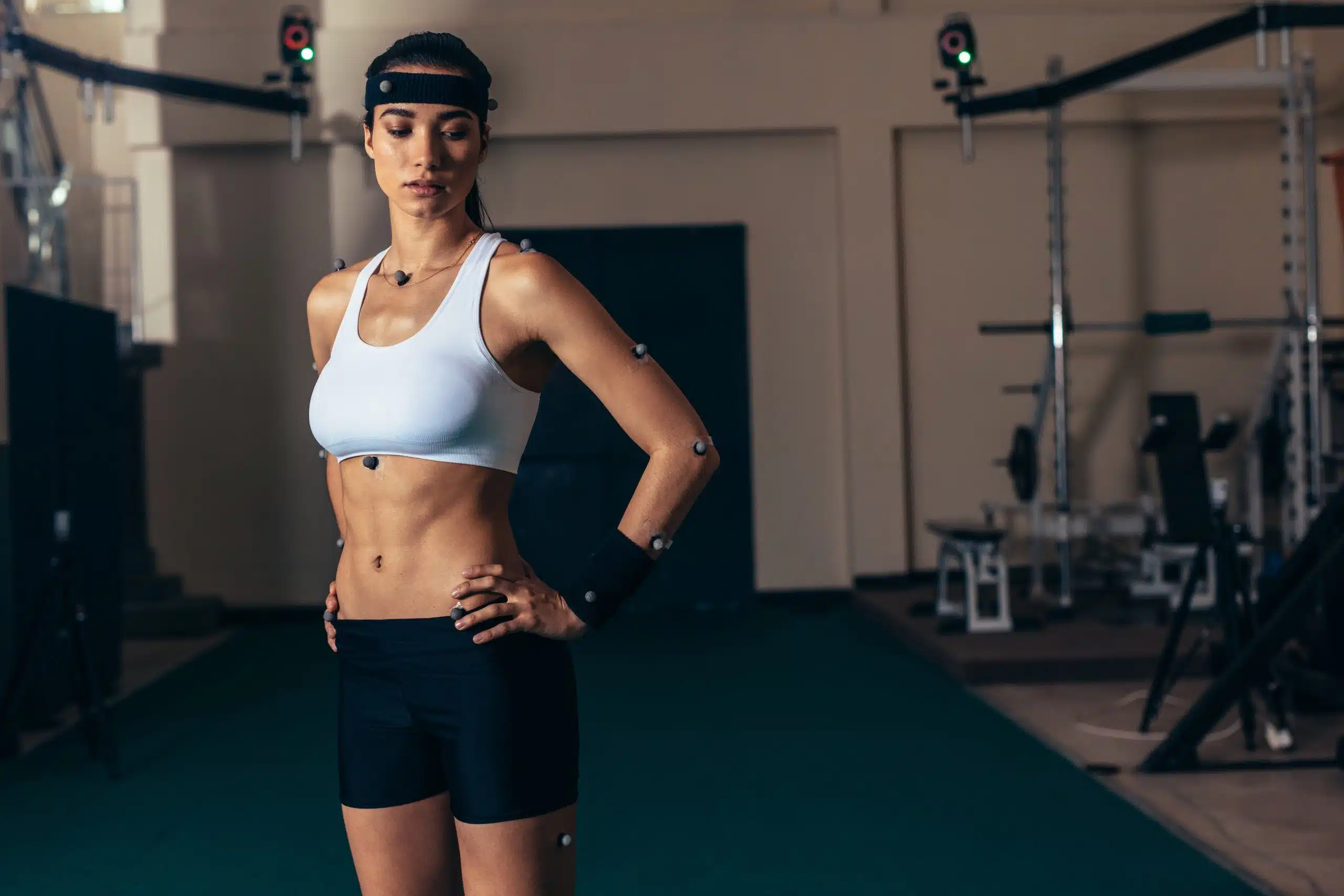
- 3D motion capture: cameras track reflective markers on the body to build a three-dimensional model of movement, giving detailed joint angles and timing. It is the most precise method but is mainly found in labs and specialist centres. See Physiopedia’s overview of instrumented gait analysis.
- Wearable sensors: inertial sensors attached to the body or shoes measure movement outside the lab, on a track or in daily life.
What Clinicians Look For
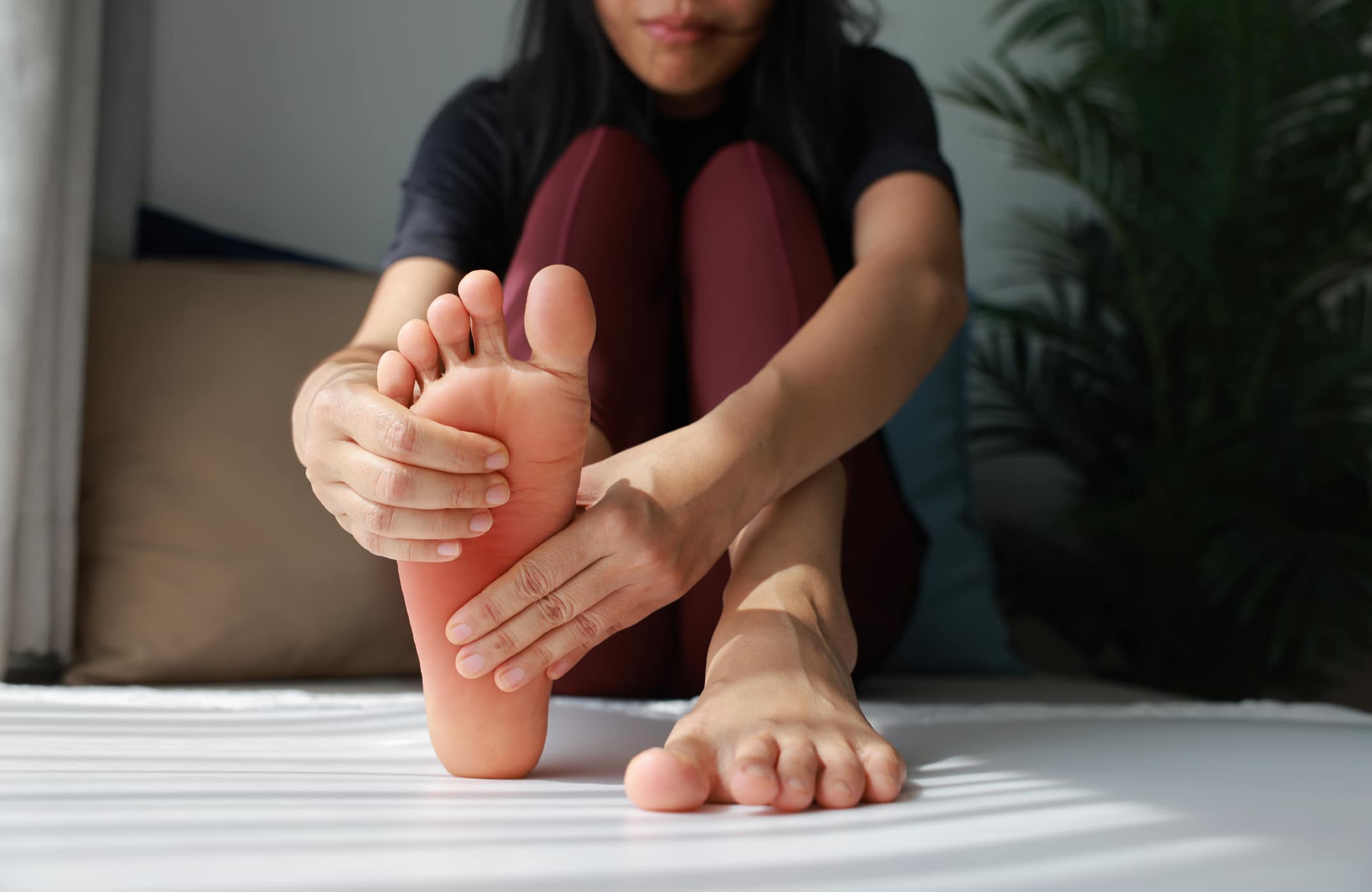
- Foot strike pattern and how the foot rolls in (pronation) or out (supination).
- Knee alignment, such as the knee moving inward during stance.
- Hip drop and pelvic control.
- Trunk lean and arm swing.
- Step length, cadence and symmetry between the left and right sides.
- Range of motion at the ankle, knee and hip.
Clinicians often combine gait analysis with physical tests of strength, flexibility and balance, using tools such as a Plastic Goniometer, Bubble Inclinometer and Measuring Tape.
Conditions Gait Analysis Can Help With
- Running injuries such as shin splints, IT band syndrome and patellofemoral pain.
- Foot problems such as plantar fasciitis and Achilles pain.
- Recovery after ankle sprains, knee surgery and hip or knee replacement.
- Neurological conditions such as stroke, Parkinson’s disease and cerebral palsy.
- Falls risk in older adults.
Using Gait Analysis Findings

The results of gait analysis guide treatment, which may include:
- Strengthening exercises for weak muscles, such as the hip abductors and calf muscles.
- Balance and proprioception training.
- Gait retraining, such as changing cadence or foot strike when running.
- Footwear advice and insoles, such as Step Easy Full Length Insoles or Waffle Support Gel Insoles, or referral for custom orthotics.
- Bracing or taping to support an injured joint.
Repeating the analysis during rehabilitation shows whether treatment is working. For more on technology in rehabilitation, see our article on physiotherapy technology trends.
Frequently Asked Questions
What is gait analysis used for?
It is used to identify walking and running problems that contribute to pain and injury, guide treatment and track progress in rehabilitation.
What happens during a gait analysis?
The patient walks or runs, often on a treadmill, while the clinician observes, records video or uses sensors to measure movement.
Who performs gait analysis?
Physiotherapists, athletic therapists, podiatrists, chiropractors, kinesiologists and sports medicine physicians.
Is running gait analysis different from walking gait analysis?
Yes. Running includes a flight phase and higher impact forces, so clinicians look at different patterns, such as cadence and foot strike.
Gait Analysis Equipment For Clinics
Dunbar Medical supplies physiotherapy and sports medicine clinics across Canada with treadmills, assessment tools and rehabilitation equipment. Browse our diagnosis and testing range or contact our team.
Conclusion
Gait analysis turns walking and running into information clinicians can act on. From simple observation to 3D motion capture, it helps identify the movement problems behind pain and injury, guide treatment and measure progress.