Certified Athletic Therapist: What They Do And How To Become One In Canada
A certified athletic therapist is a health care professional who specializes in preventing, assessing and rehabilitating musculoskeletal injuries, and in providing emergency care on the field. In Canada, certified athletic therapists use the designation CAT(C) and are certified by the Canadian Athletic Therapists Association (CATA).
This guide explains what a certified athletic therapist does, the treatment techniques they use, how to become certified in Canada and where athletic therapists work.
What Is A Certified Athletic Therapist?

Athletic therapy is a branch of sports medicine closely related to physiotherapy. A certified athletic therapist works across the full course of an injury, from the moment it happens to the athlete’s return to sport. According to the CATA scope of practice, the work falls into three main areas:
- On-site care: immediate assessment and emergency care when an athlete is injured during a game or practice, including first response, spinal management and taping.
- Injury assessment: clinical assessment of musculoskeletal injuries to identify the problem and decide on treatment or referral.
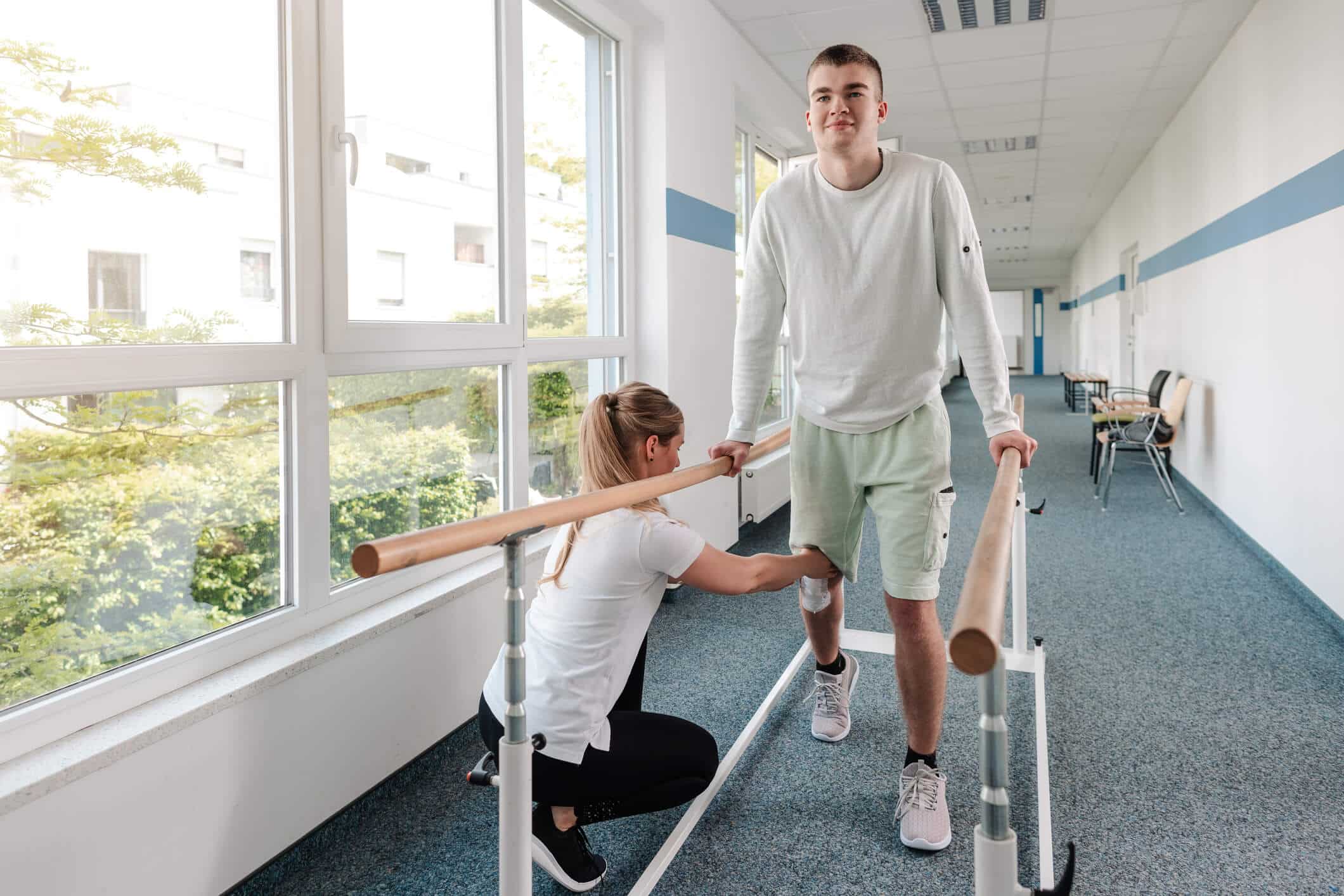
- Rehabilitation: designing and supervising exercise programs that restore strength, mobility and function, and prepare the athlete to return to play.
Although athletic therapists are best known for working with sports teams, they treat musculoskeletal injuries in people of all ages and activity levels, from weekend warriors to workers recovering from injury.
Treatment Techniques Used By Athletic Therapists
- Bracing and taping to protect injured joints and support a return to activity, using products such as Cramer 750 Athletic Tape and Kinesio Tex Gold. See our braces and athletic tape ranges.
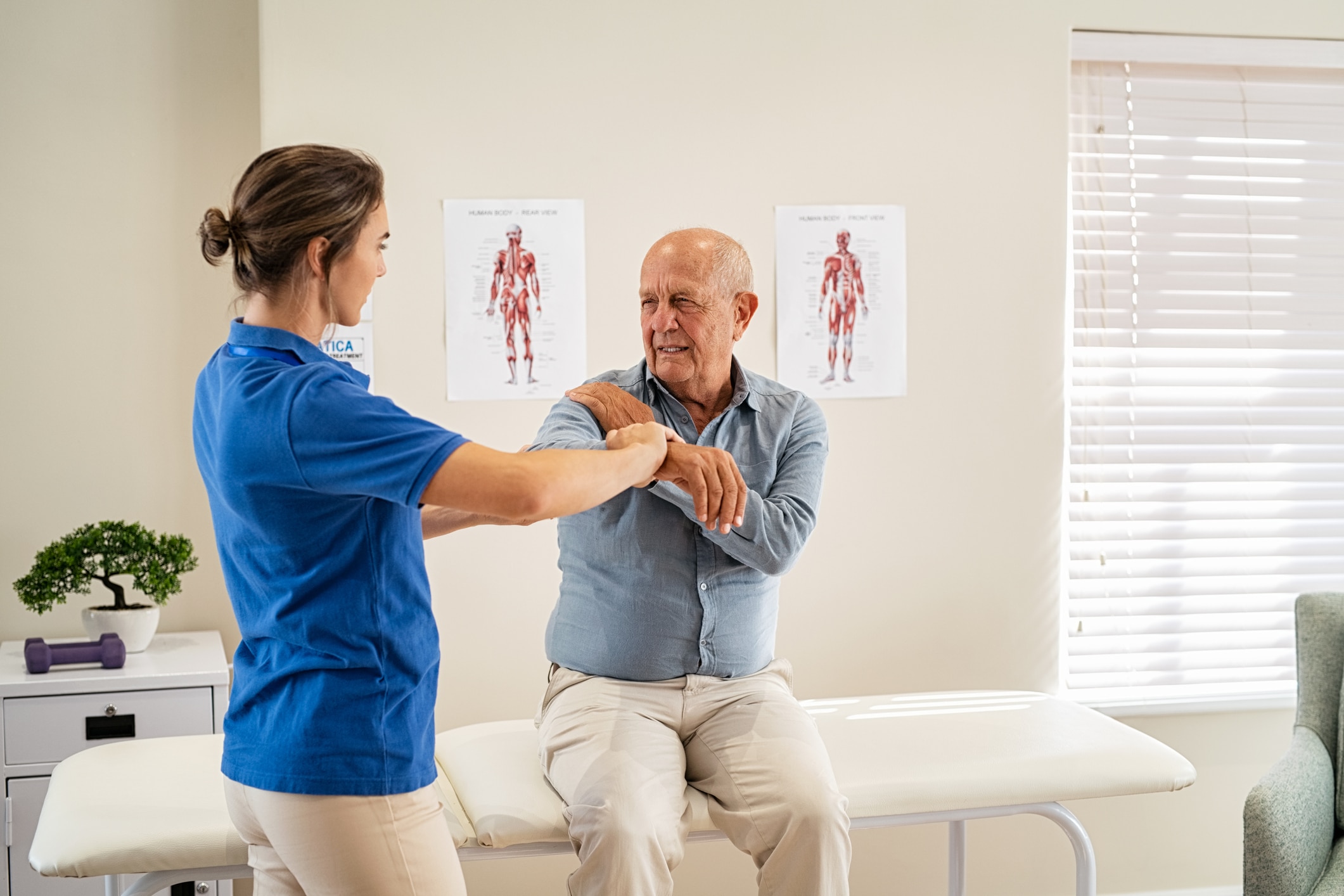
- Manual therapy such as massage, joint mobilization and stretching. See our article on manual therapy techniques.
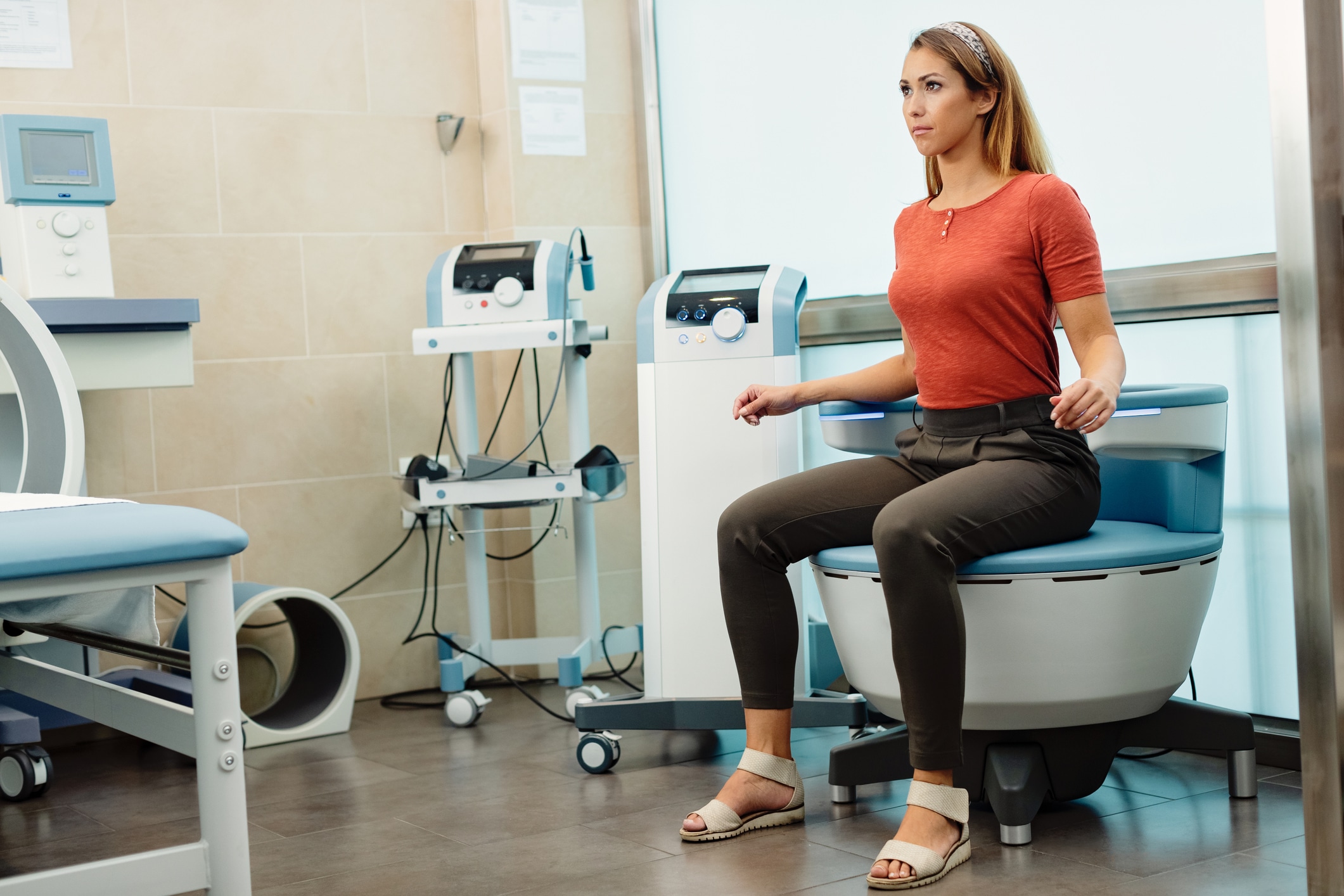
- Therapeutic modalities such as cold therapy, heat and electrotherapy.
- Exercise prescription for strength, mobility, balance and sport-specific conditioning.
- Postural and movement correction to address the causes of overuse injuries.
- Emergency care including CPR, AED use, splinting and spinal immobilization.
How To Become A Certified Athletic Therapist In Canada

The path to becoming a certified athletic therapist is set by the Canadian Athletic Therapists Association. In general, candidates must:
- Complete a CATA-accredited athletic therapy program, usually as part of a university degree or an advanced diploma.
- Complete the supervised clinical and field placement hours required by the program.
- Hold current first responder and basic life support certification.
- Pass the CATA national certification examination, which includes written and practical components.
Once certified, athletic therapists must maintain their status through continuing education and follow the CATA scope of practice and code of ethics. Accredited programs are offered at a number of universities and colleges across Canada.
Where Do Certified Athletic Therapists Work?
- Professional, university, college and amateur sports teams.
- Sports medicine and physiotherapy clinics. See our guide to sports medicine clinics.
- Sporting events and tournaments.
- Industrial and workplace health settings.
- Teaching and research at universities and colleges.
Athletic Therapist vs Physiotherapist
Athletic therapists and physiotherapists share many skills, but athletic therapists focus on the musculoskeletal system and have specific training in on-field emergency care, while physiotherapists treat a wider range of conditions, including neurological and cardiorespiratory problems. For a full comparison, see our article on athletic therapist vs physiotherapist and our guide to the sports physiotherapist role.
Qualities Of A Successful Athletic Therapist

Beyond clinical knowledge, a certified athletic therapist needs to stay calm under pressure, make quick decisions on the field, communicate clearly with athletes, coaches and physicians, and show empathy for athletes facing a long recovery. A background in sport is helpful for understanding the demands athletes face.
Frequently Asked Questions
What does CAT(C) stand for?
CAT(C) stands for Certified Athletic Therapist (Canada), the designation used by members certified by the Canadian Athletic Therapists Association.
How long does it take to become a certified athletic therapist?
Most people complete a four-year university degree that includes an accredited athletic therapy program, followed by the national certification examination.
Is athletic therapy covered by insurance?
Many extended health plans in Canada cover athletic therapy, but coverage varies, so patients should check their plan.
Do I need a referral to see an athletic therapist?
No, in most cases patients can book directly with a certified athletic therapist without a doctor’s referral.
Supplies For Athletic Therapists
Dunbar Medical supplies certified athletic therapists, sports teams and clinics across Canada with athletic tape, braces, first aid supplies, athletic trainer bags and rehabilitation equipment. See our guide to shopping for athletic therapy supplies or contact our team.
Conclusion
A certified athletic therapist combines on-field emergency care, injury assessment and rehabilitation to help active people recover and return to activity. In Canada, the CAT(C) designation shows that a therapist has completed an accredited program and passed the CATA national certification examination.