Sports Medicine Physician: What They Do And How To Become One In Canada
A sports medicine physician is a medical doctor with additional training in the prevention, diagnosis and treatment of injuries and illnesses related to sport and physical activity. Despite the name, sports medicine physicians treat people of all ages and activity levels, not only elite athletes.
This guide answers what a sports medicine doctor does, the conditions they treat, how they differ from orthopedic surgeons, physiotherapists and athletic therapists, where they work and how to become a sports medicine physician in Canada.
What Is Sports Medicine?

Sports and exercise medicine is the branch of medicine concerned with treating and preventing injuries and illnesses linked to physical activity, and with using exercise to improve health. It emerged as a distinct field in the late 20th century and draws on orthopedics, family medicine, physiatry, physiology and rehabilitation.
What Does A Sports Medicine Doctor Do?
According to the Canadian Academy of Sport and Exercise Medicine (CASEM), sports medicine physicians focus on the non-surgical management of musculoskeletal injuries and medical conditions in active people. Typical duties include:
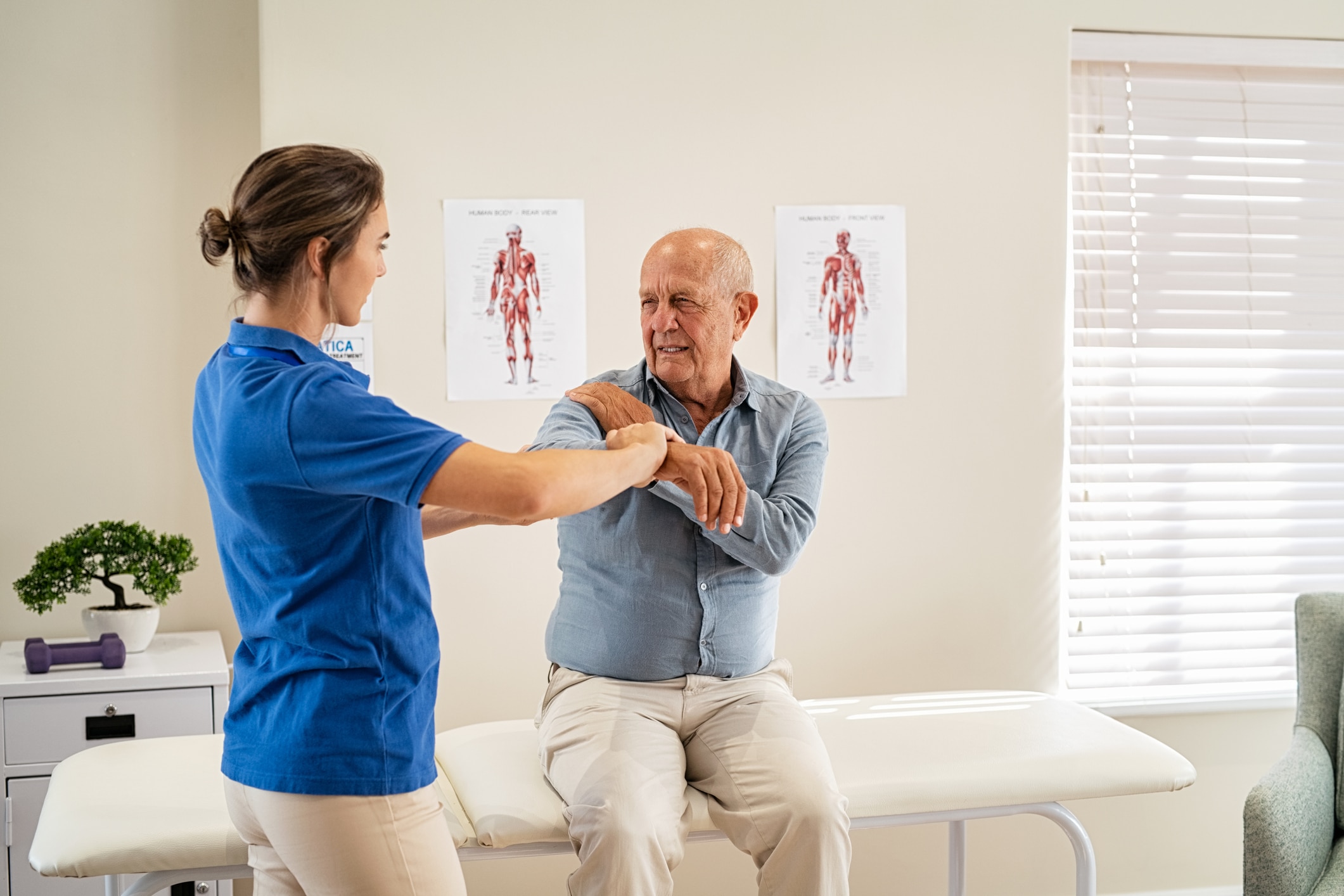
- Taking a history and performing physical examinations of injured patients.
- Ordering and interpreting X-rays, ultrasound, MRI and laboratory tests.
- Diagnosing injuries and creating treatment plans.
- Prescribing medication and performing procedures such as joint injections.
- Managing concussion and advising on return to school, work and sport.
- Coordinating care with physiotherapists, athletic therapists, surgeons and coaches.
- Pre-participation medical examinations for athletes.
- Providing medical coverage at games and events.
- Prescribing exercise to manage chronic conditions such as diabetes, heart disease and asthma.
Conditions Treated
- Sprains, strains and fractures.
- Tendinopathies such as tennis elbow, patellar tendonitis and Achilles pain.
- Overuse injuries such as shin splints and stress fractures.
- Concussion.
- Osteoarthritis and joint pain. See our guide to knee osteoarthritis treatment.
- Exercise-induced asthma and other medical conditions affecting activity.
Sports Medicine Physician vs Other Professionals

- Orthopedic surgeon: a surgical specialist. Most sports injuries do not need surgery, and a sports medicine physician will refer to an orthopedic surgeon when they do.
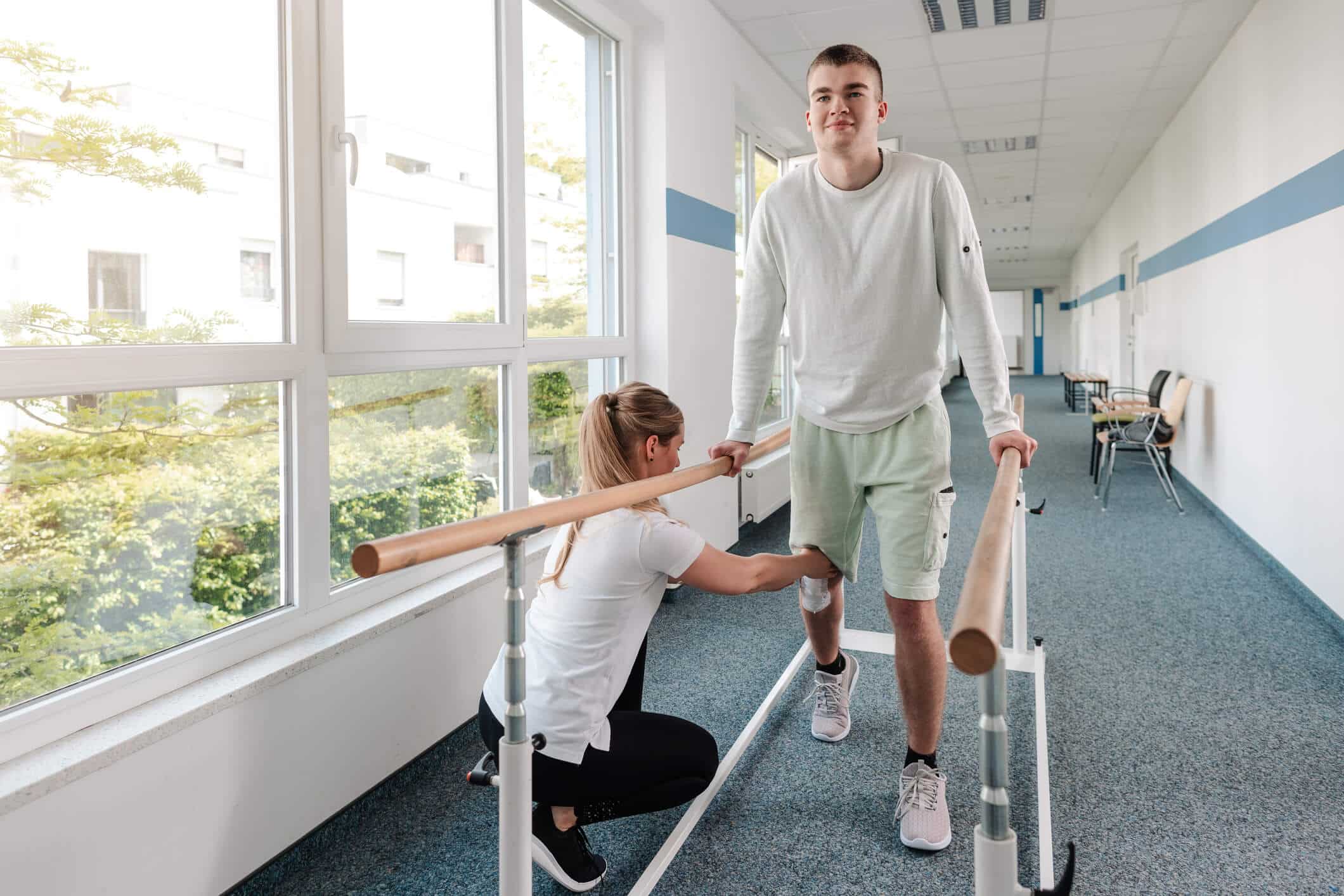
- Physiotherapist: a rehabilitation professional who treats a wide range of conditions with exercise, manual therapy and modalities. See our article on sports physical therapy.
- Athletic therapist: specializes in on-field emergency care, assessment and rehabilitation of musculoskeletal injuries. See our guide to becoming a certified athletic therapist.
Where Sports Medicine Doctors Work
- Sports medicine clinics: the most common setting, often alongside physiotherapists and athletic therapists. See our guide to sports medicine clinics.
- Sports teams and events: providing medical coverage for professional, university and amateur teams, and at tournaments and games.
- Hospitals and family practices: many sports medicine physicians also work as family doctors or emergency physicians.
- Teaching and research: at universities and medical schools.
How To Become A Sports Medicine Physician In Canada

The path to becoming a sports medicine physician in Canada typically involves:
- An undergraduate degree, often in science or kinesiology.
- A medical degree (MD) from an accredited medical school.
- A residency, most often in family medicine, although emergency medicine, physical medicine and rehabilitation, and orthopedic surgery are other routes.
- Additional training in sport and exercise medicine, such as a one-year enhanced skills program for family physicians.
- Certification, such as the College of Family Physicians of Canada’s Certificate of Added Competence in Sport and Exercise Medicine.
CASEM provides more detail on how to become a sport medicine physician. The training takes many years, but sports medicine is often described as a rewarding career that combines medicine with sport and physical activity.
Frequently Asked Questions
What does a sports medicine doctor do?
A sports medicine doctor diagnoses and treats injuries and illnesses related to physical activity, mainly without surgery, and helps patients return to activity safely.
Do you need to be an athlete to see a sports medicine physician?
No. Sports medicine physicians treat people of all ages and activity levels with musculoskeletal injuries and activity-related conditions.
Is a sports medicine physician a surgeon?
Most are not. They focus on non-surgical care and refer patients to orthopedic surgeons when surgery is needed.
How long does it take to become a sports medicine physician in Canada?
Typically an undergraduate degree, four years of medical school, two or more years of residency and additional sport and exercise medicine training.
Equipping Sports Medicine Clinics
Dunbar Medical supplies sports medicine physicians and clinics across Canada with treatment tables such as the Galaxy Treatment Table, diagnostic tools such as the Littmann Lightweight II S.E. Stethoscope and Hydraulic Hand Dynamometer, braces and rehabilitation equipment. See our guide on how to purchase sports medicine clinic equipment or contact our team.
Conclusion
A sports medicine physician brings medical expertise to the care of active people, diagnosing injuries, managing medical conditions and coordinating a team approach to recovery. For patients, they are often the first port of call for sport and exercise injuries that need a medical opinion.