Sports Injuries And Physiotherapy: Rehab Stages And Return To Sport
Sports injuries and physiotherapy go hand in hand. From an ankle sprain in a weekend league to an ACL reconstruction in an elite athlete, physiotherapy helps athletes recover, restore performance and return to sport with a lower risk of re-injury.
This guide explains how sports physiotherapy differs from general physiotherapy, the stages of rehabilitation, how injuries affect athletic performance, and the equipment clinics use to treat athletes.
How Sports Physiotherapy Differs From General Physiotherapy

- Goals: sports physiotherapy aims for full athletic performance, not just everyday function.
- Load: rehab progresses to high-intensity, sport-specific exercise such as sprinting, jumping and cutting.
- Setting: treatment may happen in the clinic, the gym or on the field.
- Team approach: sports physiotherapists work with coaches, athletic therapists, physicians and strength coaches.
- Prevention: screening and injury prevention programs are part of the role.
In Canada, Sport Physiotherapy Canada provides advanced certification for physiotherapists working in sport.
Common Sports Injuries Treated By Physiotherapists
- Ankle sprains, including high ankle sprains.
- Muscle strains of the hamstring, groin and calf.
- Knee ligament injuries and post-surgical ACL rehab.
- Tendinopathies such as patellar and Achilles tendinopathy.
- Shoulder injuries in throwing and overhead athletes.
- Overuse injuries such as medial tibial stress syndrome.
The Stages Of Rehabilitation In Sports Injuries And Physiotherapy

- Protection and pain control: relative rest, cold therapy, compression and gentle movement.
- Restoring range of motion and activation: mobility work, manual therapy and electrical muscle stimulation where needed.
- Strength and control: progressive resistance training with resistance bands and weights, plus balance work on the Airex Balance Pad.
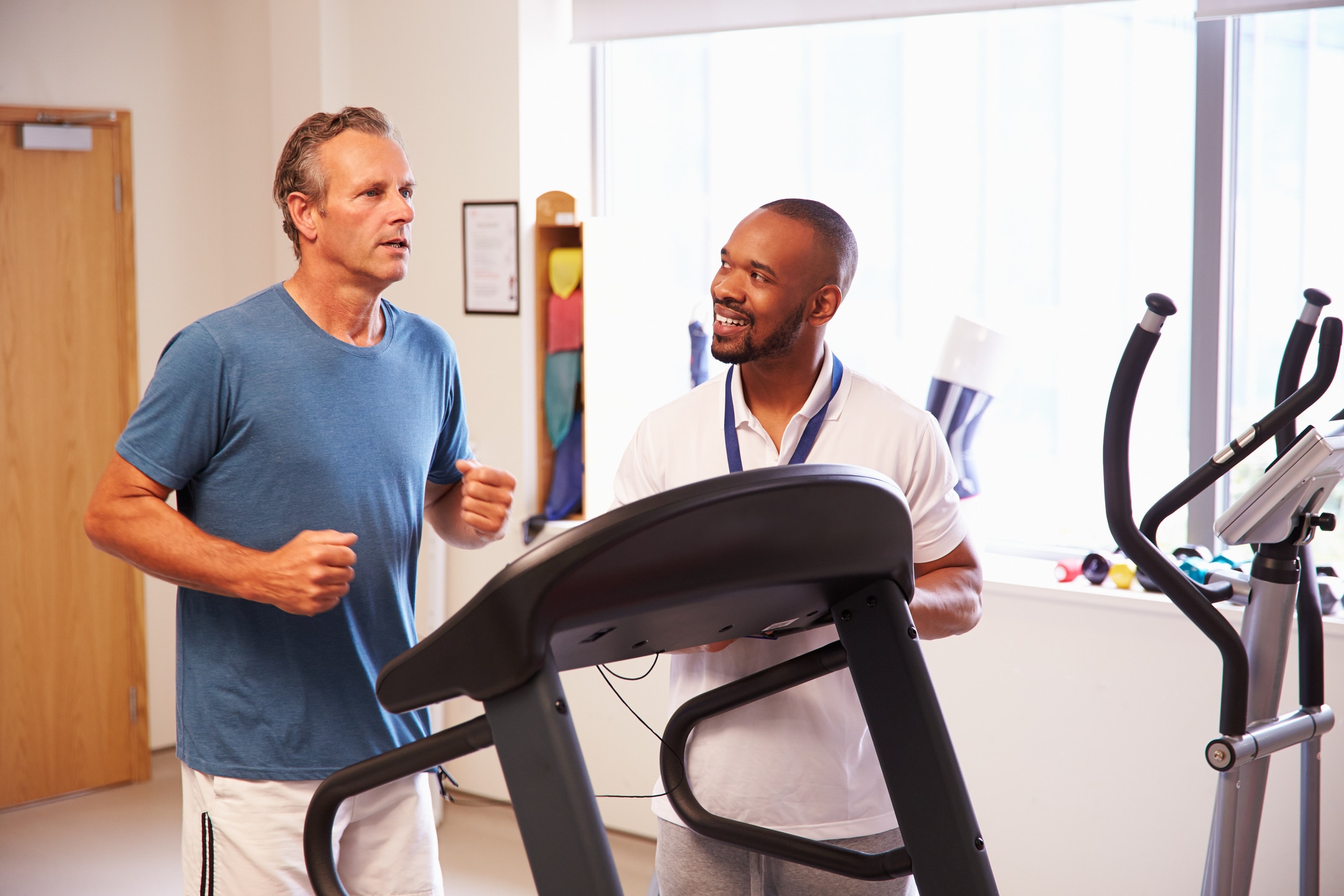
- Power and sport-specific training: plyometrics, agility and conditioning on equipment such as the Spirit CT800 Treadmill.
- Return to sport: objective testing and a graded return to play plan.
How Sports Injuries Affect Athletic Performance

Even after tissues heal, injuries can leave lasting effects on performance: reduced strength and power, altered movement patterns, lower confidence and fear of re-injury. Time away from training also reduces fitness. When it comes to sports injuries and physiotherapy, a good program addresses all of these, using objective strength and hop tests, conditioning and psychological readiness, so athletes return at or above their previous level.
Equipment For Sports Injuries And Physiotherapy Clinics
- Electrotherapy and modalities: the TheraTouch EX4 Clinical Electrotherapy System, Intelect Legend 2 4 Channel Combo and shockwave units such as the Intelect RPW 2 Shockwave.
- Treatment tables: height-adjustable tables such as the Montane Alps 5 Section Treatment Table.
- Strength and conditioning: resistance bands, a TheraBand Pro Series Exercise Ball, the Spirit CR800 Recumbent Bike and treadmills.
- Balance and proprioception: the Airex Balance Pad and BOSU Balance Trainer. See our guide to proprioception.
- Taping and bracing: kinesiology tape such as DynaPro Kinesiology RestoreTape and supports for the return to sport.
Frequently Asked Questions
How does physiotherapy help sports injuries?
Physiotherapy reduces pain, restores movement and strength, retrains control and guides a safe return to sport, lowering the risk of re-injury.
What is the difference between sports physiotherapy and regular physiotherapy?
Sports physiotherapy focuses on restoring full athletic performance, progressing to high-intensity, sport-specific training and working closely with coaches and the sports medicine team.
How long does rehab for a sports injury take?
It depends on the injury. Minor sprains may take a few weeks, while ACL reconstruction rehab often takes nine months or more.
Can sports injuries affect long-term performance?
Yes. Strength loss, altered movement and fear of re-injury can persist unless they are addressed during rehabilitation.
Equipment From Dunbar Medical
Dunbar Medical supplies sports physiotherapy and sports medicine clinics across Canada with electrotherapy, shockwave, treatment tables, exercise equipment, tape and braces, and is an authorized Chattanooga dealer. Please contact our team for product advice.
Conclusion
Sports injuries and physiotherapy are closely linked. A structured, staged program that rebuilds strength, power, control and confidence helps athletes return to sport safely and perform at their best.