Athletic Therapist vs Physiotherapist: 5 Key Differences In Canada
Athletic therapists and physiotherapists both assess and treat musculoskeletal injuries, and they often work side by side in sports medicine clinics. But the two professions differ in training, scope and where they work. This guide sets out the key differences in the athletic therapist vs physiotherapist question in Canada, for students choosing a career, clinic owners building a team and patients deciding who to see.
What Is An Athletic Therapist?

A Certified Athletic Therapist, or CAT(C), specializes in the prevention, immediate care and rehabilitation of musculoskeletal injuries, particularly in active people and athletes. According to the Canadian Athletic Therapists Association, athletic therapists are trained in on-field emergency care as well as clinical assessment and reconditioning, which is why they are often found on the sidelines of sports teams. Learn more in what is athletic therapy?.
What Is A Physiotherapist?
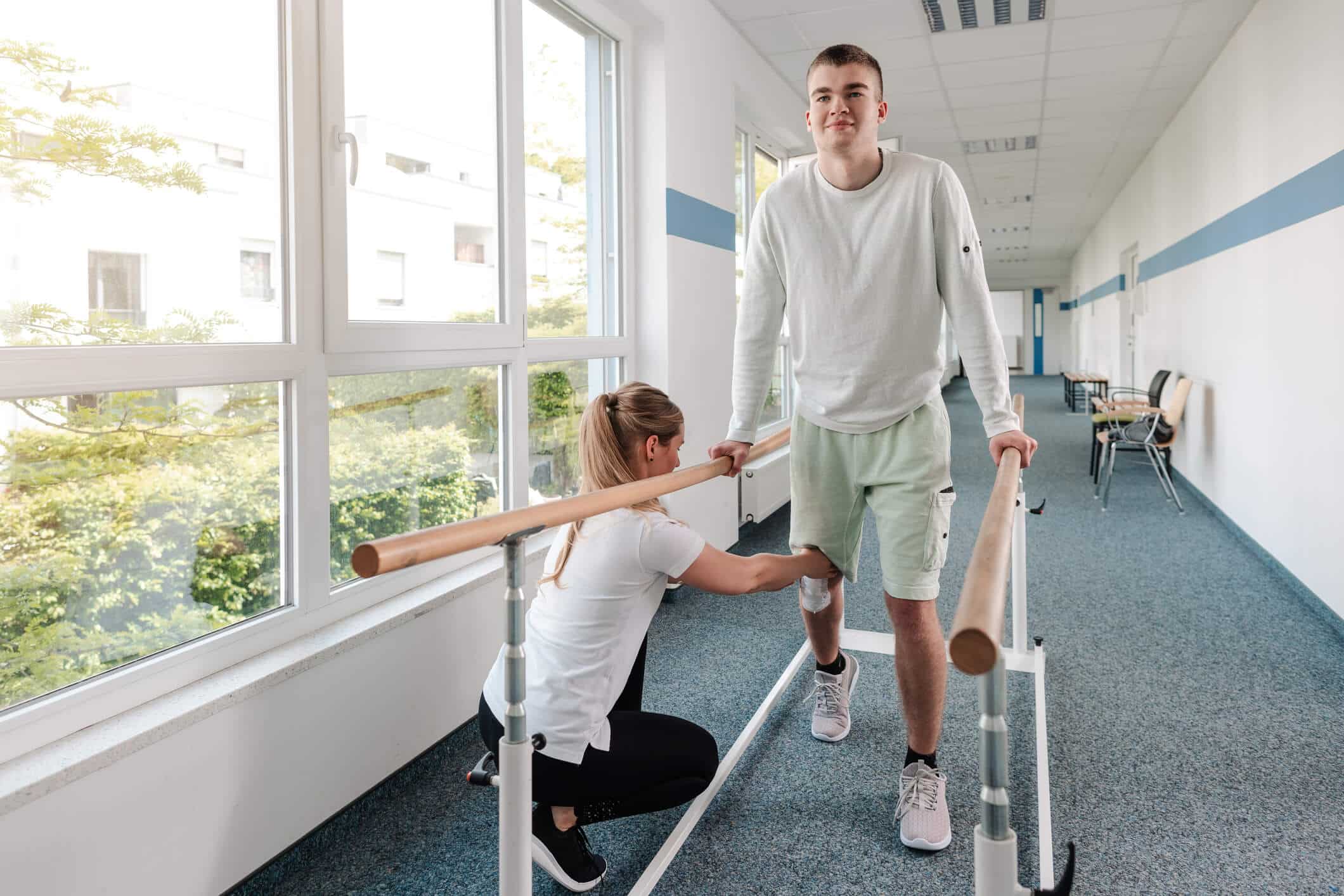
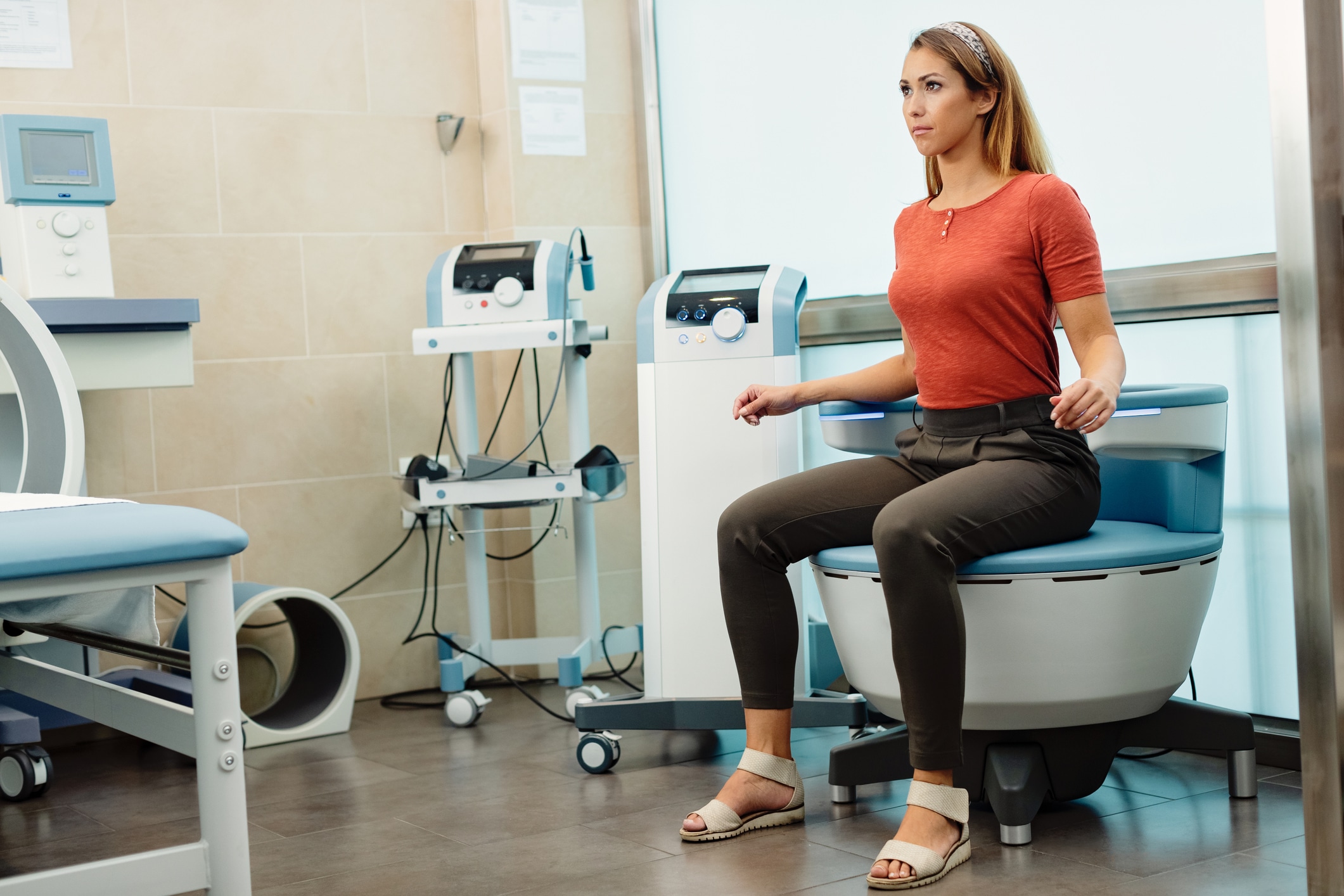
A physiotherapist assesses and treats a broad range of conditions affecting movement and function: musculoskeletal injuries, but also neurological conditions such as stroke, cardiorespiratory conditions, pelvic health and the needs of older adults and children. Physiotherapists work in hospitals, private clinics, long-term care, home care and sport.
Athletic Therapist vs Physiotherapist: 5 Key Differences
1. Scope Of Practice
Athletic therapists focus on the musculoskeletal system and on injuries related to sport and physical activity. Physiotherapists have a broader scope that includes neurological, cardiorespiratory and other conditions, so a patient with complex or multiple health problems is more likely to see a physiotherapist.
2. Emergency And On-Field Care
Emergency and on-field care is a core part of athletic therapy training. Athletic therapists are trained to manage acute injuries at practices and games, including spinal injuries and concussion, and to make return-to-play decisions with the medical team.
3. Education And Certification

Athletic therapists complete an accredited university program, followed by the Canadian Athletic Therapists Association national certification examination. Physiotherapists in Canada complete a professional master’s degree in physiotherapy, pass the national entry-to-practice exam (the Canadian Physiotherapy Examination, which replaced the two-part Physiotherapy Competency Exam in 2026; Quebec has its own process), and must register with the regulatory college in the province where they practise.
4. Regulation And Insurance Coverage
Physiotherapy is a regulated health profession in every province. Athletic therapy is not regulated as a health profession in most provinces, and certification is managed nationally by the Canadian Athletic Therapists Association. Many extended health plans cover athletic therapy as well as physiotherapy, but coverage varies, so patients should check their own plan.
5. Settings And Specialized Training
Athletic therapists most often work with sports teams, in sports medicine clinics and in schools and universities. Physiotherapists work in a wider range of settings. Both can pursue additional training in areas such as manual therapy, taping and exercise prescription, while some advanced areas, such as dry needling or pelvic health, depend on provincial rules and the practitioner’s registration.

Athletic Therapist vs Physiotherapist: Which Should You See?
- For a sports injury, on-field care or return-to-sport rehabilitation, either profession can help, and athletic therapists are especially well suited.
- For neurological, cardiorespiratory, pelvic health or complex medical conditions, see a physiotherapist.
- If your extended health plan covers only one of the two, check before booking.
Working Together In The Clinic
Many sports medicine clinics employ both, using physiotherapists and athletic therapists side by side to cover a wider range of patients. If you are planning a clinic, see our guide to the physiotherapy clinic startup process and our athletic training supplies list.
Frequently Asked Questions
What is the main difference in athletic therapist vs physiotherapist training?
Athletic therapists train specifically in sport and activity-related injuries and on-field emergency care, while physiotherapists train across a broader scope that includes neurological and cardiorespiratory conditions.
Do athletic therapists need a master’s degree?
No. Athletic therapists complete an accredited undergraduate program and the national certification exam, while physiotherapists in Canada complete a professional master’s degree.
Is athletic therapy covered by insurance in Canada?
Many extended health plans cover athletic therapy, but coverage varies by plan, so check before booking.
Can an athletic therapist become a physiotherapist?
Yes. Some athletic therapists go on to complete a master’s degree in physiotherapy and hold both credentials.
Supplies For Athletic Therapists And Physiotherapists
Dunbar Medical supplies athletic therapists, physiotherapists and sports medicine clinics across Canada with taping supplies, braces, modalities and clinic equipment. Browse our athletic taping and clinic equipment ranges, or contact our team.
Conclusion
The athletic therapist vs physiotherapist question comes down to scope, training and setting. Athletic therapists specialize in sport and activity-related injuries and on-field emergency care, while physiotherapists treat a broader range of conditions across the healthcare system. Both play valuable roles, and many patients benefit from seeing both.