Pelvic Floor Exercises: How To Do Them Correctly, Step By Step
Pelvic floor exercises, also known as Kegel exercises, strengthen the group of muscles that support the bladder, bowel and, in women, the uterus. Done regularly and correctly, pelvic floor exercises can help prevent and treat urinary incontinence, improve bowel control and support recovery after pregnancy and prostate surgery.
This guide explains what the pelvic floor is, how to find the right muscles, how to do pelvic floor exercises step by step, common mistakes and when to see a pelvic floor physiotherapist.
What Is The Pelvic Floor?

The pelvic floor is a sling of muscles stretching from the pubic bone at the front to the tailbone at the back. These muscles support the pelvic organs, help control the bladder and bowel, and play a role in sexual function and core stability.
The pelvic floor can be weakened by pregnancy and childbirth, menopause, ageing, prostate surgery, chronic coughing, constipation, heavy lifting and being overweight. Weak muscles can lead to leaking urine when coughing, sneezing or exercising (stress incontinence), sudden urges to urinate, and pelvic organ prolapse.
How To Find Your Pelvic Floor Muscles
Before starting pelvic floor exercises, it is important to identify the right muscles:
- Imagine you are trying to stop passing urine and hold in wind at the same time. The muscles you squeeze and lift are your pelvic floor muscles.
- You should feel a squeeze and lift inside, without tightening the buttocks, thighs or stomach, and without holding your breath.
- Do not regularly stop the flow of urine to practise, as this can interfere with normal bladder emptying.
How To Do Pelvic Floor Exercises
Pelvic floor exercises include slow holds for endurance and quick squeezes for fast reactions, such as when you cough or sneeze. A typical routine, as described by the Mayo Clinic and many continence services, is:
- Get comfortable. Start lying down or sitting, then progress to standing as the muscles get stronger.
- Slow squeezes. Squeeze and lift the pelvic floor and hold for a few seconds, then fully relax for the same time. Build up gradually to holding for up to 10 seconds.
- Repeat. Aim for around 10 slow squeezes.
- Quick squeezes. Squeeze and lift quickly, then let go straight away. Aim for around 10 quick squeezes.
- Do it daily. Repeat the routine about three times a day.
Most people notice an improvement after several weeks, but it can take three months or more of regular pelvic floor exercises to see the full benefit. Once the muscles are stronger, keep doing the exercises to maintain the results, and try “the knack”: squeezing the pelvic floor just before coughing, sneezing or lifting.
Common Mistakes

- Squeezing the buttocks, thighs or stomach instead of the pelvic floor.
- Holding the breath while squeezing.
- Pushing down instead of lifting up.
- Not relaxing fully between squeezes.
- Doing too many repetitions too soon, which can cause fatigue.
- Stopping once symptoms improve.
Pelvic Floor Exercises For Women And Men
Pelvic floor exercises are often recommended for women during pregnancy and after childbirth, and around menopause. They are also helpful for men, particularly before and after prostate surgery, when urinary leakage is common. Support products such as the It’s You Babe Hip Brace/V2 Supporter Combo and Sacroiliac Belt can ease pelvic discomfort during pregnancy, while TENA Classic Plus Incontinence Briefs and other incontinence products help manage symptoms while the muscles strengthen. See also our guide to male incontinence products.
When To See A Pelvic Floor Physiotherapist

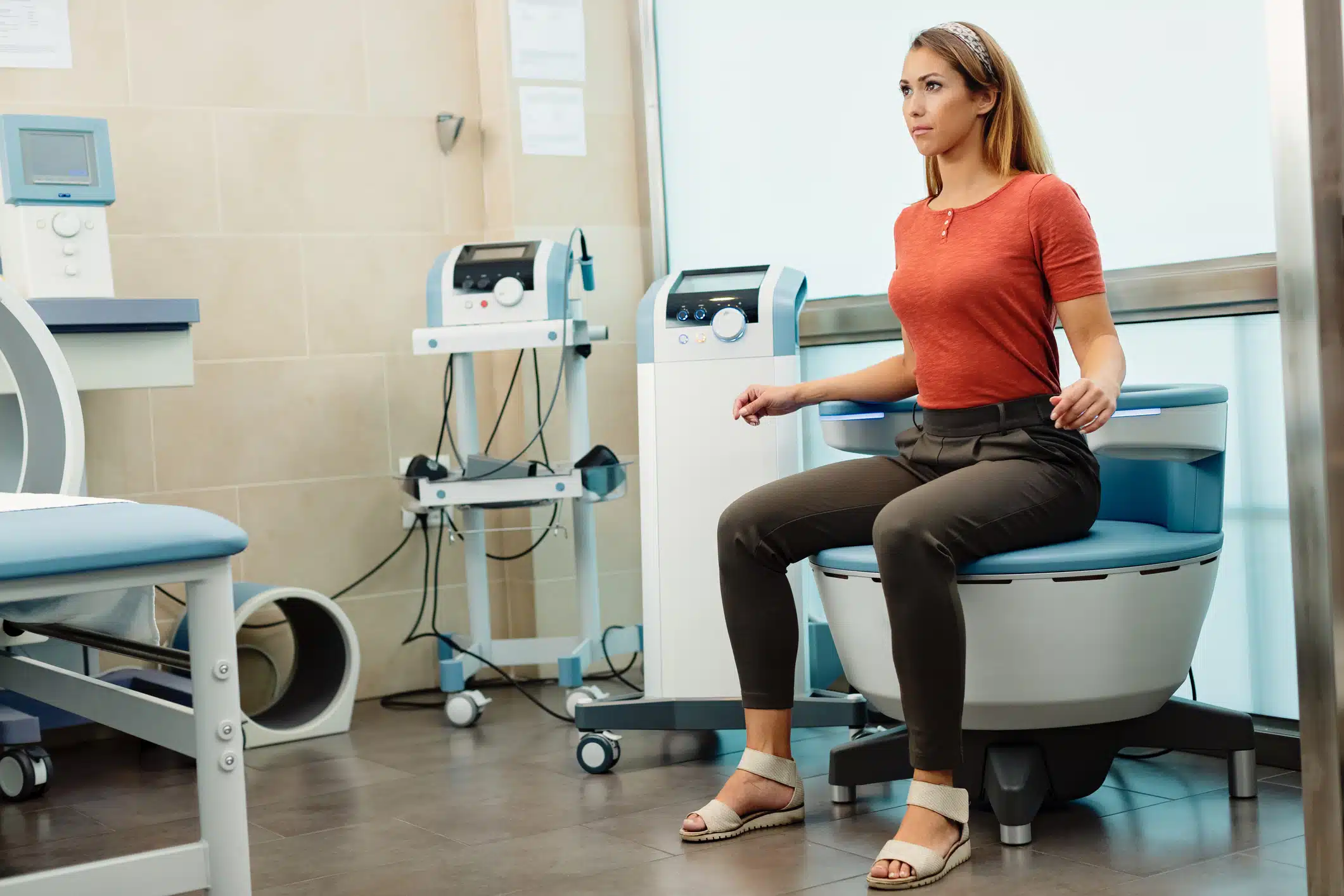
Not everyone can find their pelvic floor muscles on their own, and some people have muscles that are too tight rather than too weak. A pelvic floor physiotherapist can assess the muscles, confirm the exercises are being done correctly and tailor a program. Treatment may include biofeedback, electrical stimulation, manual therapy, relaxation techniques and bladder training.
Research supports supervised pelvic floor muscle training. For example, a randomized controlled trial published in the BMJ found that pelvic floor muscle training was effective for women with urinary incontinence. See a doctor or pelvic floor physiotherapist if symptoms do not improve, if you have pelvic pain, or if you notice a bulge or heaviness in the vagina.
Frequently Asked Questions
How long does it take for pelvic floor exercises to work?
Many people notice improvement within several weeks, but it can take three months or more of regular exercise to see the full benefit.
How many times a day should I do pelvic floor exercises?
A common recommendation is about 10 slow and 10 quick squeezes, around three times a day.
Can men do pelvic floor exercises?
Yes. Pelvic floor exercises help men with bladder and bowel control, particularly before and after prostate surgery.
Can pelvic floor exercises make things worse?
If the muscles are already too tight, or the exercises are done incorrectly, symptoms can worsen. A pelvic floor physiotherapist can help.
Supplies For Clinics And Pharmacies
Dunbar Medical supplies physiotherapy clinics, pharmacies and home health care providers across Canada with electrotherapy equipment, maternity supports and incontinence products. Please contact our team for product advice.
Conclusion
Pelvic floor exercises are simple, free and effective for many people with bladder and bowel symptoms. Find the right muscles, combine slow holds with quick squeezes, practise every day and seek help from a pelvic floor physiotherapist if progress stalls.