PRP Injection: What Platelet-Rich Plasma Therapy Is And What To Expect
A PRP injection uses a concentrated portion of the patient’s own blood to try to support healing in injured tendons, ligaments, muscles and joints. Platelet-rich plasma (PRP) has become a popular option in sports medicine, particularly for stubborn tendon problems and knee osteoarthritis, although the research evidence is still mixed.
This guide explains what a PRP injection is, how it is prepared, the conditions it is used for, what the evidence shows, and the role of rehabilitation afterwards. It is written for clinicians and for patients considering the treatment.
What Is A PRP Injection?
Platelets are small blood cells that help with clotting and contain growth factors involved in tissue repair. To make PRP, a small amount of the patient’s blood is drawn and spun in a centrifuge to separate the platelets from other blood components. The concentrated platelet-rich plasma is then injected into the injured area, often using ultrasound guidance. According to the Cleveland Clinic, the aim is to deliver a higher concentration of growth factors to the site of injury.
Conditions Treated With PRP Injections

PRP injections are most commonly used for:
- knee osteoarthritis;
- tennis elbow (lateral epicondylitis) and other chronic tendon problems;
- patellar and Achilles tendinopathy;
- plantar fasciitis; and
- some muscle and ligament injuries.
What Does The Evidence Show?
Results vary between conditions and studies, partly because PRP preparations differ between clinics. Some studies suggest benefit for knee osteoarthritis and tennis elbow, while evidence for other conditions is less consistent. PRP is generally considered low risk because it uses the patient’s own blood, but it is not covered by most provincial health plans, so patients should discuss the expected benefit and cost with their doctor.
What To Expect
The procedure usually takes under an hour. Some soreness and swelling at the injection site is common for a few days. Patients are often advised to avoid anti-inflammatory medication for a period before and after the injection, as it may interfere with the process, and to follow the treating doctor’s activity guidelines.
Rehabilitation After A PRP Injection

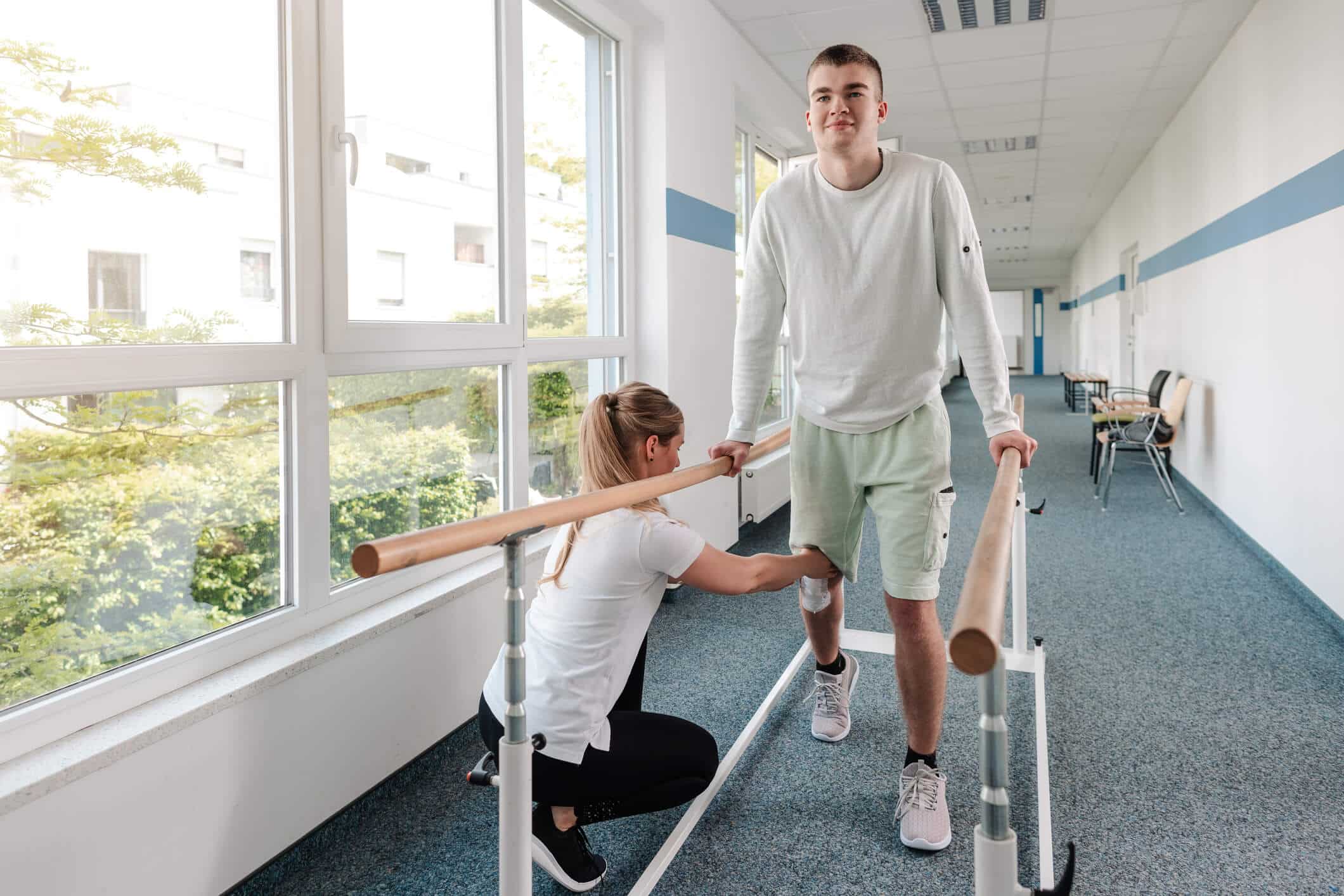
A PRP injection is rarely a stand-alone treatment. For tendon problems in particular, a structured rehabilitation program that gradually loads the tendon is usually the key to recovery. Physiotherapists and athletic therapists commonly use:
- resistance bands and progressive strength exercises;
- cold packs, such as the Mueller Reusable Hot and Cold Pack, for post-injection soreness;
- supports such as a Cho-Pat Patellar Strap for patellar tendon pain or a BioSkin OA Spiral Dynamic Unloading Knee Brace for knee osteoarthritis; and
- a gradual return to sport plan.
Related guides: lateral epicondylitis brace and treatment for knee osteoarthritis.
Frequently Asked Questions
What is a PRP injection used for?
PRP injections are used mainly for knee osteoarthritis, chronic tendon problems such as tennis elbow and jumper’s knee, and some muscle and ligament injuries.
Does a PRP injection hurt?
Most people feel some discomfort during the injection and soreness for a few days afterwards.
How many PRP injections are needed?
Some patients have a single injection and others a series. The treating doctor will recommend a plan.
Is PRP covered by OHIP?
PRP injections are generally not covered by provincial health plans, although some private insurance plans may contribute.
Rehabilitation Products For Clinics
Dunbar Medical does not supply PRP systems, but we supply physiotherapy, athletic therapy and sports medicine clinics across Canada with the braces, hot and cold therapy and exercise equipment used in rehabilitation. Please contact our team.
Conclusion
A PRP injection uses the patient’s own platelets to try to support healing, most often for knee osteoarthritis and chronic tendon problems. Evidence is promising for some conditions and mixed for others, and results are usually best when the injection is combined with a structured rehabilitation program.