Causes of Ligament Sprains
Ligament sprains typically occur due to excessive stretching or tearing of the ligaments that connect bones within a joint. Common causes include:
Traumatic Injury
Ligament sprains often result from sudden trauma, such as a fall, direct impact, or a forceful twisting or bending of a joint during activities like sports, accidents, or sudden movements.
Overuse or Repetitive Strain
Repetitive stress or overuse of a joint can weaken the ligaments over time, increasing the risk of sprains. Athletes involved in sports that require repetitive movements or individuals engaged in activities with repetitive joint stress are susceptible to overuse sprains.
Improper Technique or Equipment
Incorrect body mechanics, inadequate warm-up or conditioning, using improper equipment, or wearing ill-fitting shoes can contribute to ligament sprains during physical activities.
Weak Muscles or Imbalances
Weak or imbalanced muscles around a joint can compromise its stability and increase the risk of ligament sprains. Muscular imbalances may result from poor posture, previous injuries, or muscle weakness.
Diagnosing Ligament Sprains
Diagnosing a ligament sprain involves a comprehensive evaluation by a healthcare professional, such as an orthopedic specialist or a sports medicine physician. The diagnostic process may include:
Medical History and Physical Examination
The healthcare professional will discuss the injury, its mechanism, and associated symptoms. They will then conduct a physical examination, assessing the affected joint's range of motion, stability, tenderness, and swelling.
Imaging Tests
In some cases, imaging tests such as X-rays, magnetic resonance imaging (MRI), or ultrasound may be ordered to assess the severity of the injury, rule out fractures, or evaluate damage to surrounding structures.
Specialized Tests
In specific cases where ligament integrity or stability needs further evaluation, additional tests such as stress tests or arthroscopy may be performed.
Treatment of Ligament Sprains
The treatment approach for ligament sprains aims to reduce pain, promote healing, restore joint function, and prevent further injury. Treatment options may include:
R.I.C.E. Therapy
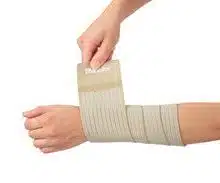
Rest, ice, compression, and elevation (R.I.C.E.) is commonly used in the initial stages of treatment. Resting the injured joint, applying ice packs, using compression bandages, and elevating the affected limb helps reduce pain, swelling, and inflammation.
Medications
Over-the-counter nonsteroidal anti-inflammatory drugs (NSAIDs) can help manage pain and reduce inflammation. However, it's important to consult a healthcare professional before using any medication.
Immobilization and Support
Depending on the severity of the sprain, immobilization with a brace, splint, or cast may be necessary to protect the ligament and allow it to heal. Crutches or walking aids may be recommended to offload weight from the affected joint.
Physical Therapy
A structured rehabilitation program with a physical therapist is essential for restoring joint mobility, strength, stability, and function. The therapist will guide the individual through exercises to improve range of motion, strengthen surrounding muscles, and gradually reintroduce functional activities.
Pain Management Techniques
Modalities such as heat therapy, ultrasound, electrical stimulation, or massage may be utilized to alleviate pain, reduce muscle tension, and promote blood flow to the injured area.
Surgical Intervention
In severe cases where conservative treatments fail or the ligament is completely torn, surgical repair or reconstruction may be necessary. This option is typically considered for ligament sprains that significantly affect joint stability or if other structures are also damaged.
Prevention of Ligament Sprains
While not all ligament sprains can be prevented, individuals can take certain measures to reduce the risk of injury, including:
Warm-up and Stretching
Engaging in a proper warm-up routine and performing stretching exercises before physical activities helps prepare the muscles and ligaments for the demands of movement.
Strengthening and Conditioning
Regular strength and conditioning exercises targeting the muscles around the joints can enhance stability and reduce the risk of sprains.
Proper Technique and Body Mechanics
Learning and practising proper techniques, including correct form and body mechanics during sports and activities, can help minimize the risk of excessive stress on ligaments.
Protective Equipment
Using appropriate protective equipment, such as braces, supports, or orthotics, can provide additional stability and support to vulnerable joints during high-risk activities or sports.
Gradual Progression
Gradually increasing the intensity, duration, or frequency of physical activities allows the body to adapt and reduces the risk of overuse or sudden traumatic sprains.
Conclusion
Ligament sprains are common injuries that can cause pain, swelling, and functional limitations.
Understanding the causes, receiving an accurate diagnosis, and following appropriate treatment strategies are crucial for effective management and recovery.
Seeking prompt medical attention, adhering to a comprehensive rehabilitation program, and implementing preventive measures can help individuals reduce the risk of ligament sprains, maintain joint health, and safely engage in their desired activities with optimal functionality and performance.