

Diabetic Foot Ulcer: Offloading, Wound Care And Prevention
A diabetic foot ulcer is one of the most serious complications of diabetes. Ulcers usually develop on feet affected by neuropathy, where repeated pressure goes unnoticed, and they can quickly become infected. Relieving pressure, known as offloading, together with good wound care, is central to helping them heal.
This guide is written for foot care nurses, wound care clinicians, chiropodists and clinics. It covers why diabetic foot ulcers develop, how offloading works, the main offloading devices, and wound care and prevention.
Why Diabetic Foot Ulcers Develop

Most diabetic foot ulcers result from a combination of diabetic neuropathy, which removes the warning sign of pain, and repeated pressure or friction, often from footwear or a foot deformity. Poor circulation slows healing and increases the risk of infection. Common sites are the ball of the foot, the tips of the toes and the heel.
Why Offloading Matters
An ulcer cannot heal while it is being walked on. Offloading redistributes pressure away from the wound so the tissue can recover. The International Working Group on the Diabetic Foot (IWGDF) offloading guideline recommends a non-removable knee-high offloading device, such as a total contact cast or a knee-high walker made non-removable, as the first choice for a plantar forefoot or midfoot ulcer, with removable devices and offloading footwear as alternatives where these are not suitable.
Offloading Devices For A Diabetic Foot Ulcer

Knee-High Walkers
A knee-high walker spreads load across the lower leg and foot and limits ankle motion. Options include the Darco Body Armor Stirrup Walker and the Darco Air Traveler Walker. Browse our full walking boot range.
Offloading Shoes And Insoles
Offloading shoes and insoles with removable pegs or zones let you take pressure off a specific area. The Darco Wound Care Shoe System and the Darco PegAssist Offloading Insole allow targeted offloading, while the Darco HeelWedge and Darco OrthoWedge wedge designs shift weight away from the heel or forefoot. For post-operative or dressing-friendly footwear, consider the Darco MedSurg DUO and the Darco All Purpose Boot. Browse all offloading boots.
Wound Care For Diabetic Foot Ulcers
Alongside offloading, diabetic foot ulcer care usually includes:
- Assessment of the wound, circulation and signs of infection, with prompt referral if infection or poor blood flow is suspected.
- Debridement of callus and non-viable tissue by a trained clinician.
- Cleansing with a suitable cleanser, such as Skintegrity Wound Cleanser.
- Moist wound dressings chosen for the amount of exudate, such as Telfa Non Adherent Dressing, Sterile Adhesive Island Dressings and 3M Tegaderm.
- Blood glucose control and regular review of healing progress.
Browse our full wound care range.
Preventing Diabetic Foot Ulcers

Once an ulcer has healed, the risk of recurrence is high. Prevention focuses on daily foot checks, regular professional foot care, well-fitting protective footwear such as Diabetic Shoes and Diabetic Socks, and patient education. Patients with a history of ulceration benefit from frequent follow-up.
Frequently Asked Questions
What is the best offloading for a diabetic foot ulcer?
For a plantar forefoot or midfoot ulcer, international guidelines recommend a non-removable knee-high device, such as a total contact cast or a knee-high walker made non-removable, where it is suitable for the patient.
How long does a diabetic foot ulcer take to heal?
It varies widely with the size of the ulcer, circulation, infection and how consistently it is offloaded; many take weeks to months.
Can patients wear a removable boot?
Removable devices are an alternative when a non-removable device is not suitable, but they only work if worn consistently, including at home.
When should a diabetic foot ulcer be referred urgently?
Signs of spreading infection, such as redness, warmth, swelling, fever or a foul smell, or signs of poor blood flow, need urgent medical attention.
Offloading And Wound Care Supplies Across Canada
Dunbar Medical supplies foot care clinics, wound care nurses, hospitals and long-term care homes across Canada with offloading boots and shoes from Darco, walking boots, diabetic footwear and wound care supplies. Browse our offloading boot range, or contact our team for product advice.
Conclusion
A diabetic foot ulcer heals only when pressure is taken off it. Combine effective offloading, ideally a knee-high device where suitable, with debridement, appropriate dressings and blood glucose control, then focus on footwear and foot care to prevent the ulcer from coming back.

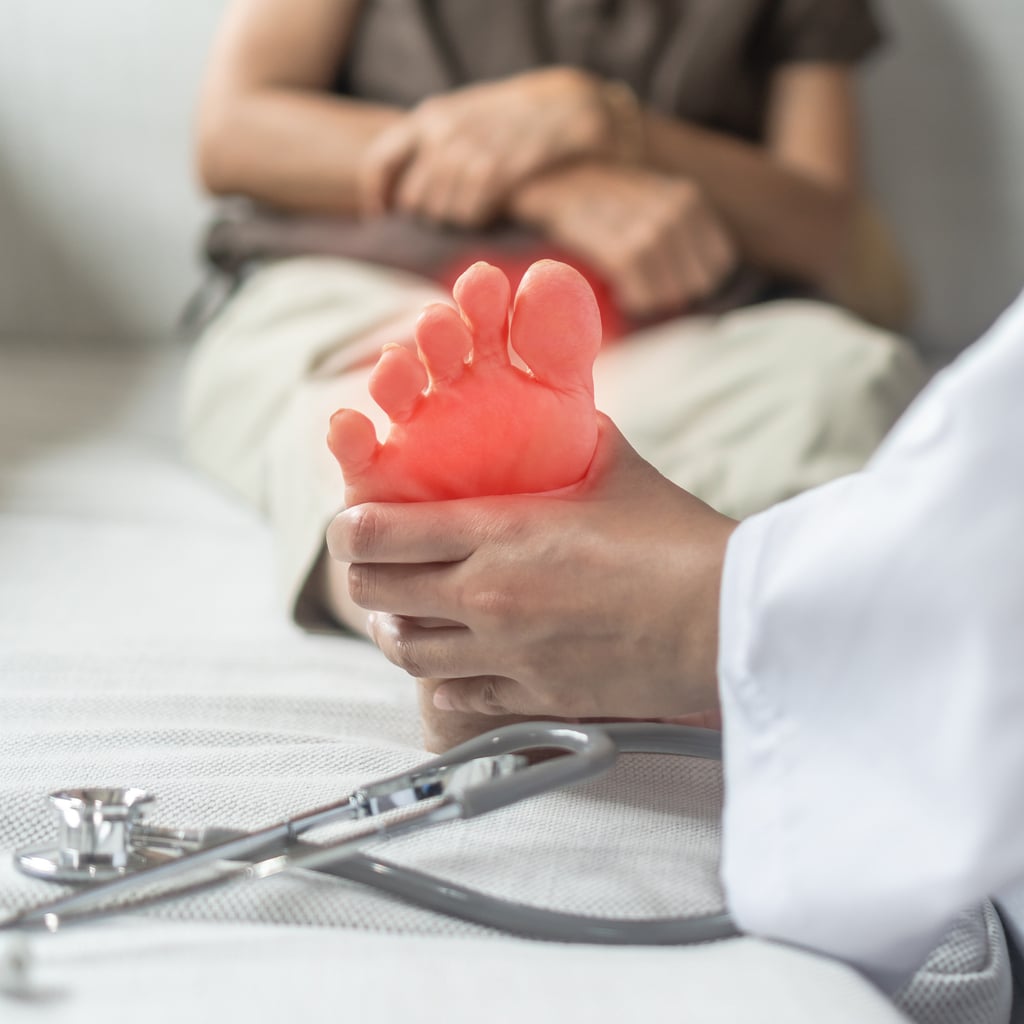
You got me when you said that you can expect abscess to ooze out of the wound if they are getting infected. With that in mind, I’ll make sure to find a wound care clinic for my dad. All his wounds on his feet look so bad. This is because they have never been cleaned and treated. In fact, they keep on bleeding at times. We don’t want his wounds’ condition to get worse.
Twelve months ago I constantly had to go to the bathroom. I thought it was because I gave up soft drinks and was only drinking water. One day I had a stomachache. I was in bed for 4 days. The doctor’s appointment was for a Wednesday. I got sick and went to emergency room on a Monday. I was told my blood sugar level was 810 and I have diabetes. I was taking taking metformin 1000 mg twice daily. It Wasn’t really helping Last year, a family friend told me about Organic Herbal clinic and their successful Diabetes TREATMENT, I visited their website ww w . organicherbalclinic. co m and ordered their Diabetes Formula, i am happy to report the treatment effectively treated and reversed my Diabetes, most of the symptoms stopped, I’m able to eat well, sleep well and exercise regularly., I’m pretty active now and my attitude is extremely positive.