

Sterile Adhesive Island Dressings
By: Cardinal Health
| Sterility | Sterile |
|---|
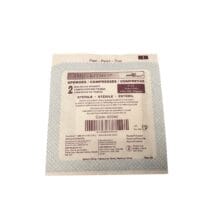
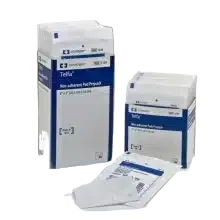
Sterile adhesive island dressings allow dressing a wound for fluid absorption without risking the dressing sticking to the wound itself.
These sterile adhesive island dressings feature a non adherent pad that facilitates fluid absorption without attaching to the wound itself. It has a non woven adhesive backing that keeps the dressing securely in place and protects the wound from debris.
| Sterility | Sterile |
|---|
Q & A

Table of Contents
Frequently Asked Questions
How does the "non-adherent pad" actually work to prevent sticking to the wound?
The non-adherent pad is the critical design feature that distinguishes sterile adhesive island dressings from standard adhesive bandages. It is typically constructed from a specialized material, such as a perforated film or a silicone-coated mesh, that lies in direct contact with the wound bed. This ingenious design creates a delicate barrier, allowing wound exudate (fluid) to pass through the pad and be absorbed into a secondary layer, while preventing the pad’s fibers from bonding with newly formed granulation tissue or a healing scab.
This one-way absorption is vital for undisturbed healing. When a dressing adheres, its removal becomes a traumatic event, often re-injuring the fragile wound bed, causing pain, and setting back the recovery process. The island design ensures that only the surrounding healthy skin is gripped by the adhesive border, while the central “island” pad floats protectively above the injury. This facilitates pain-free, atraumatic dressing changes, making it an excellent choice for postoperative sites, abrasions, and minor burns where protecting delicate healing tissue is paramount.
When should I use this type of dressing versus a simple adhesive bandage?
The choice hinges on the wound’s characteristics and required protection. Simple adhesive bandages (plasters) are designed for minor, low-exudate cuts and scrapes on flat, non-flexible areas. In contrast, a sterile adhesive island dressing is indicated for more substantial wounds that produce moderate fluid, require a higher level of sterility, or are located on joints or areas prone to movement.
The superior absorbency of the non-adherent pad manages moisture more effectively, preventing the wound from macerating (becoming too wet). Furthermore, the robust, flexible adhesive border and often water-resistant backing provide a secure seal that stays intact during movement and daily activities, offering better defense against water, dirt, and bacteria. Sterile adhesive island dressings are the professional standard for covering IV sites, biopsy locations, and larger abrasions where a secure, sealed environment is necessary to promote optimal healing and prevent external contamination.
How often should a sterile adhesive island dressing be changed, and what are the signs it needs replacing?
Change frequency is guided by the wound’s exudate level and the principle of maintaining a clean, moist healing environment. As a general protocol, sterile adhesive island dressings should be inspected daily and changed whenever the absorbent pad becomes saturated or the adhesive seal is compromised. A heavily saturated pad can no longer effectively manage fluid, leading to leakage, which can macerate the surrounding skin and allow pathogens to enter.
Key signs for an immediate change include visible strike-through (fluid visible on the dressing’s surface), lifting edges that break the sterile seal, or excessive soiling. It is equally important not to change the dressing unnecessarily, as frequent disruptions can cool the wound bed and impede cell migration. Always follow specific medical advice, but the dressing’s design allows for longer wear times—often 24 to 48 hours—compared to basic bandages, thanks to its enhanced absorbency and secure adhesion, striking a balance between protection and practical maintenance.


Reviews
There are no reviews yet