

Diabetic Socks
Sale ends Nov 30Synergy Diabetic Socks are non elasticized to avoid excessive lower leg compression. They will minimize interference with blood circulation to reduce the risk of diabetic ulcers and related problems. Available in both ankle and crew styles and in black and white colours.
Synergy Diabetic Socks are non binding and non elasticized, therefore alleviating pressure on the leg and supporting blood circulation through the foot. This reduces the risk of diabetic ulcers or other conditions that typically afflict sufferers of diabetes. They are available in white or black colors, for either men or women, and in both ankle height and crew styles.
Q & A
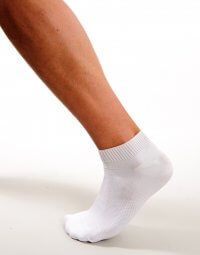
Table of Contents
Frequently Asked Questions
Why are non-binding, non-elasticized socks better for diabetic foot health?
Traditional socks with tight elastic bands can constrict the leg, inadvertently reducing blood flow to the feet—a dangerous situation for diabetics who often already suffer from peripheral arterial disease. Synergy Diabetic Socks are specifically designed without constrictive elastic tops. This non-binding design alleviates external pressure on the calf and ankle, allowing blood to circulate freely down to the extremities.
Improved circulation is critical because it delivers oxygen and nutrients to tissues while helping to remove metabolic waste. When circulation is compromised, even a minor blister or cut may fail to heal properly, escalating into a diabetic ulcer or infection. By eliminating elastic constriction, these socks support the body’s natural vascular function. Furthermore, the absence of tight ridges or seams reduces friction points that could otherwise rub against sensitive skin.
Ultimately, a non-elasticized sock reduces two major risks: poor circulation and skin breakdown. For anyone managing diabetes, this simple design feature can be a proactive step toward preventing serious foot complications.
How do Synergy Diabetic Socks help prevent ulcers and other foot conditions?
Diabetic ulcers often develop from repetitive pressure, friction, or unnoticed trauma. Because neuropathy can diminish sensation in the feet, a diabetic patient may not feel a tight sock binding or a small piece of debris inside a shoe. Synergy Diabetic Socks address this through their non-binding fit and careful material design. Without elastic constriction, the sock does not dig into the skin or create pressure points that could lead to tissue breakdown over time.
In addition, the gentle, seamless construction minimizes shear forces—the rubbing motion between skin and fabric that can cause blisters. By maintaining a loose yet secure fit, these socks allow the foot to move naturally inside footwear without abrasion. The improved blood circulation, facilitated by the lack of leg constriction, also means that any minor irritation that does occur is more likely to heal quickly.
Finally, keeping the foot dry and free from excessive moisture is essential. While Synergy socks are not necessarily moisture-wicking in a technical sense, their breathable design helps reduce sweat accumulation, lowering the risk of fungal infections like athlete’s foot—another common ailment among diabetics.
What styles and colors are available, and how do I choose between ankle and crew length?
Synergy Diabetic Socks are available in both white and black, offering flexibility for personal preference and lifestyle needs. White socks are often recommended for daily inspection because any drainage, bleeding, or discoloration from a wound is immediately visible against the light fabric. Black socks, on the other hand, may be preferred for formal occasions or for those who simply want a more discreet appearance while still receiving the same medical benefits.
Regarding length, the choice between ankle height and crew styles depends largely on the individual’s footwear and comfort needs. Ankle-height socks are ideal for low-cut athletic shoes, casual loafers, or warmer weather when less coverage is desired. They provide protection without extending up the calf. Crew-length socks rise several inches above the ankle, offering additional warmth and a layer of protection for the lower leg, which can be beneficial for those who wear boots or who have sensitive skin higher on the calf.
Both lengths feature the same non-binding, non-elasticized top. Patients with significant leg swelling (edema) may prefer crew socks for a more secure feel without constriction, while those prioritizing breathability often choose ankle socks.


Reviews
There are no reviews yet