Sports Injury Prevention: How To Prevent Sports Injuries In 6 Steps
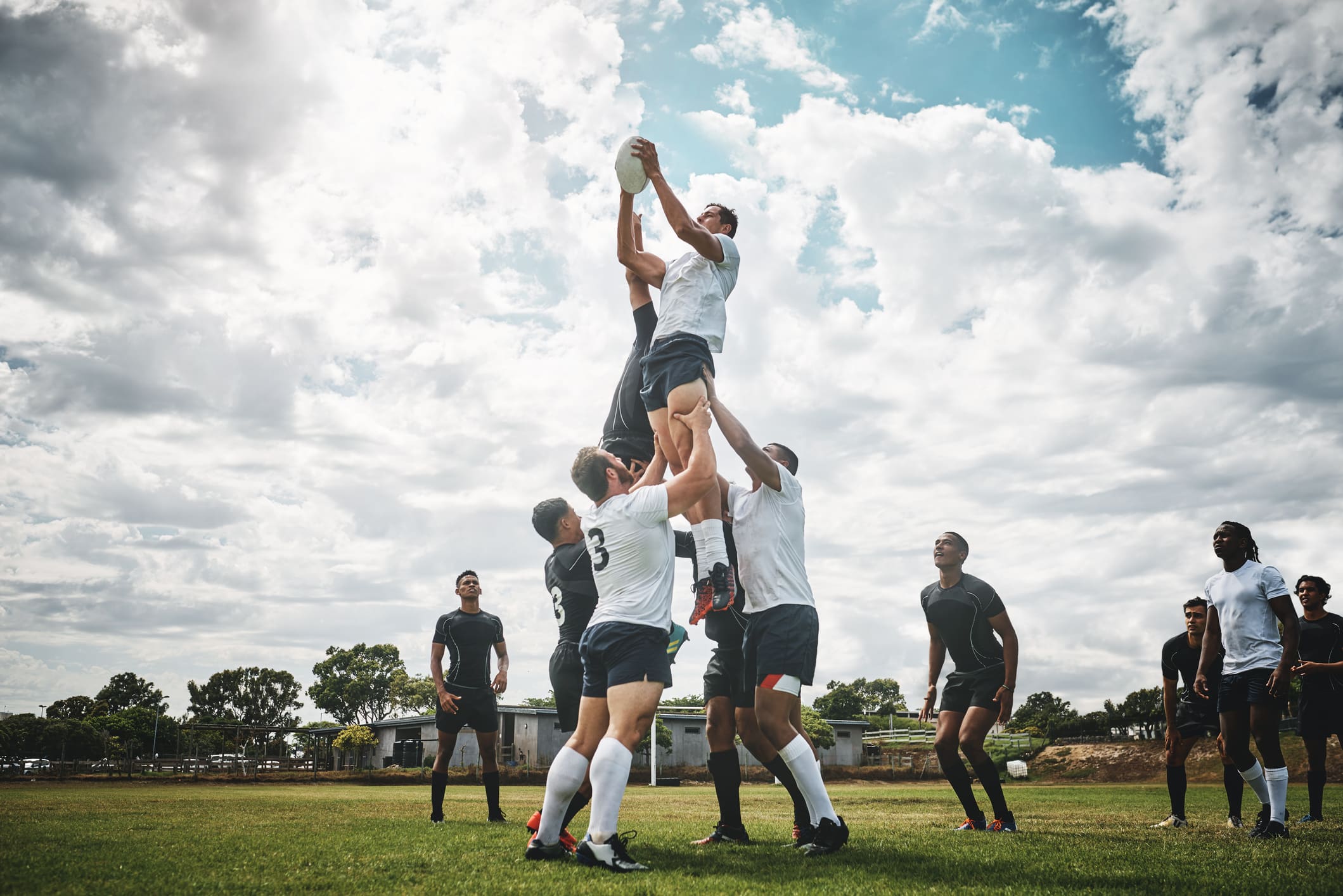
Sports injury prevention is one of the most effective ways to keep athletes healthy, on the field and performing. Many injuries, especially sprains, strains and overuse problems, can be reduced with the right warm-up, training plan, equipment and recovery habits.
This guide sets out how to prevent sports injuries in six practical steps, describes the most common sports injuries and how they are managed, and explains the role of therapists and coaches.
The Most Common Sports Injuries

- Ankle sprains: common in court and field sports. See our guide to lateral ankle sprains.
- Muscle strains: especially hamstring, groin and calf strains.
- Knee injuries: ligament sprains, meniscus tears and patellar tendinopathy.
- Overuse injuries: such as shin splints and tennis elbow.
- Concussion: in contact and collision sports.
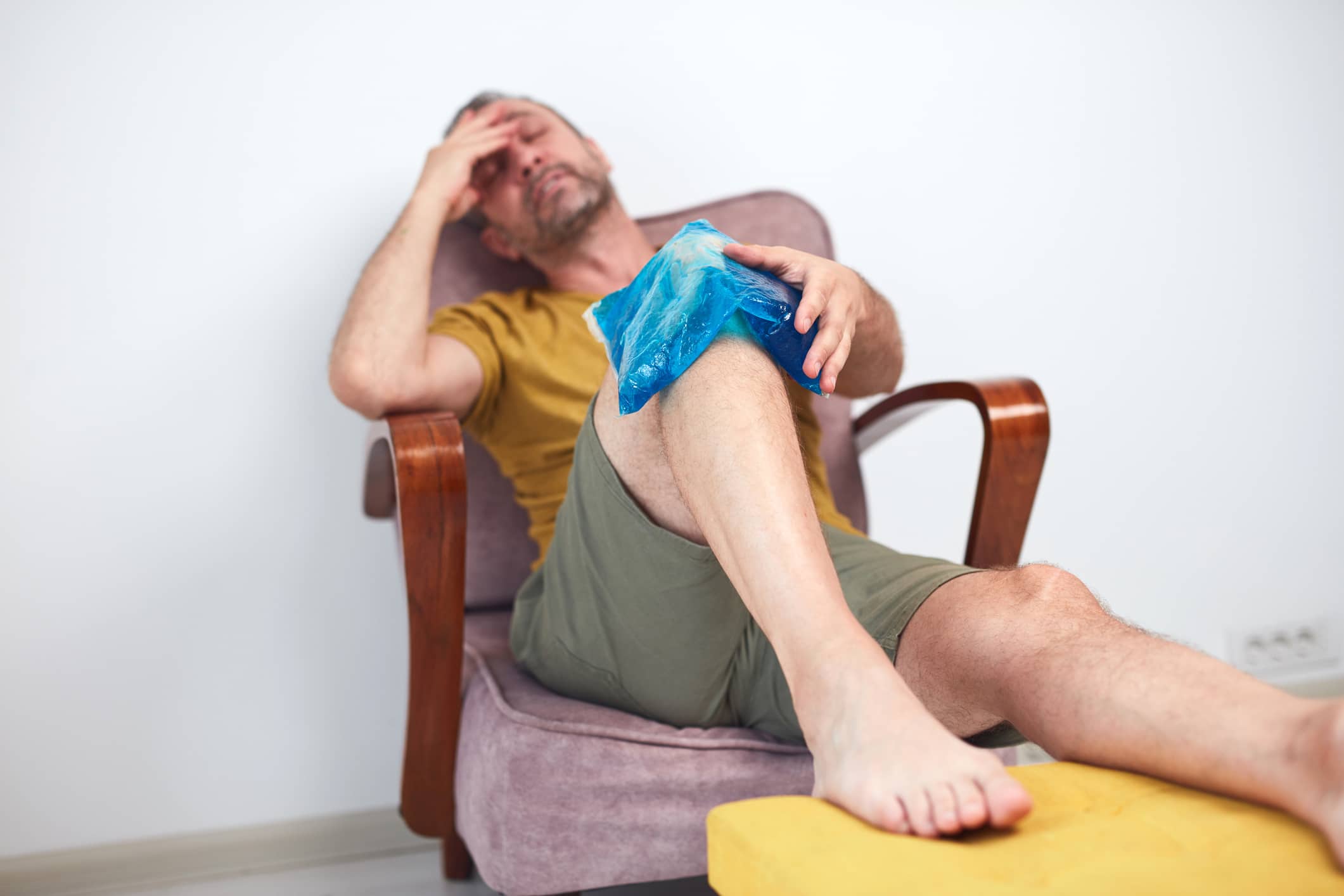
Mild injuries are usually managed with relative rest, cold therapy, compression and a gradual return to activity. Anything severe, or that does not improve, should be assessed by a physician, physiotherapist or athletic therapist.
How To Prevent Sports Injuries In 6 Steps
1. Warm Up Properly
A 10 to 15 minute dynamic warm-up raises body temperature and prepares muscles and joints. Structured programs such as FIFA 11+ have been shown to reduce injuries in team sports.
2. Build Strength And Balance

Strength training, especially for the hips, hamstrings, calves and core, and balance work on tools such as the Airex Balance Pad or BOSU Balance Trainer, help athletes control landing and cutting movements. Use resistance bands for warm-up activation and rehab exercises.
3. Manage Training Load
Sudden increases in training volume or intensity are a major cause of overuse injuries. Increase load gradually, plan recovery weeks and monitor fatigue.
4. Use The Right Equipment
Properly fitted footwear, helmets and protective gear matter. Athletes with a history of sprains may benefit from ankle braces or taping, and kinesiology tape such as DynaPro Kinesiology RestoreTape can support the return to play.
5. Prioritize Recovery, Sleep And Hydration

Fatigue increases injury risk. Encourage adequate sleep, hydration and nutrition, and use recovery tools such as a Foam Roller and Reusable Cold/Hot Pack.
6. Treat Small Problems Early
Minor aches can become longer-term injuries if athletes play through pain. Early assessment and a clear return to play plan reduce re-injury.
The Role Of Therapists And Coaches
Athletic therapists, physiotherapists and coaches each contribute to sports injury prevention through screening, warm-up design, technique coaching and fast first aid. Parachute Canada offers further injury prevention resources for sport and recreation. Teams should also have an emergency action plan and a well-stocked sports medical bag.
Frequently Asked Questions
What is sports injury prevention?
Sports injury prevention is the use of warm-ups, strength and balance training, load management, proper equipment and recovery strategies to reduce the risk of injury.
How can athletes prevent sports injuries?
Warm up, build strength and balance, increase training gradually, use the right equipment, recover well and treat small problems early.
What are the most common sports injuries?
Ankle sprains, muscle strains, knee injuries, overuse injuries such as shin splints, and concussion.
Do braces help prevent injuries?
Ankle braces and taping can reduce the risk of repeat ankle sprains, particularly in athletes with a previous sprain.
Supplies For Teams And Clinics
Dunbar Medical supplies athletic therapists, clinics, schools and sports teams across Canada with braces, tape, balance and strength equipment, and hot and cold therapy for injury prevention and rehabilitation. Please contact our team for product advice.
Conclusion
Sports injury prevention works best as a routine, not an afterthought. Warm up, train strength and balance, manage load, use the right equipment and act early on small problems to keep athletes healthy throughout the season.