Manual Therapy: Techniques, Evidence And Equipment For Clinics
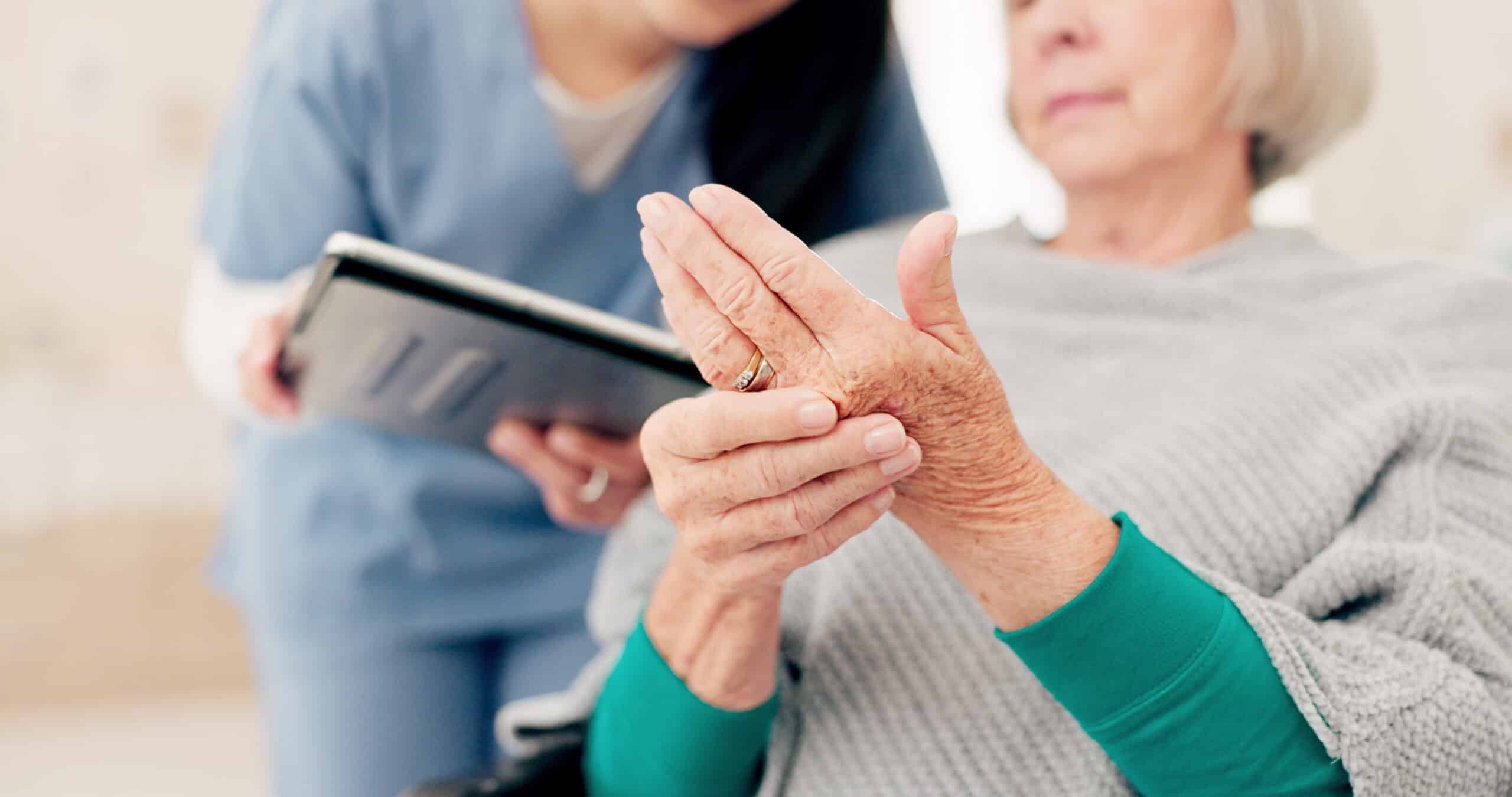
Manual therapy is a hands-on approach in which clinicians use skilled movements of the hands to mobilize joints, treat soft tissue and improve movement. Physiotherapists, chiropractors, athletic therapists, osteopaths and massage therapists all use these hands-on skills, usually alongside exercise and education.
This guide explains the main manual therapy techniques, what the evidence says about their role in sports medicine, and the equipment that supports hands-on treatment in the clinic.
What Is Manual Therapy?

The approach covers a range of passive and active-assisted techniques applied to joints, muscles, fascia and nerves. Its goals are to reduce pain, restore range of motion and make it easier for patients to exercise and return to activity. Physiopedia provides a detailed overview of the approaches used.
Common Manual Therapy Techniques
- Joint mobilization: slow, graded oscillations or sustained stretches applied to a joint, often described by grades I to IV.
- Manipulation: a high-velocity, low-amplitude thrust, used by trained practitioners.
- Mobilization with movement: a sustained glide applied while the patient actively moves, as in the Mulligan concept.
- Soft tissue mobilization and massage: to reduce muscle tension and improve tissue extensibility.
- Myofascial release: sustained pressure and stretch applied to fascia.
- Muscle energy techniques: the patient contracts against resistance to improve joint position and mobility.
- Neural mobilization: gentle movements to improve the mobility of nerves.
What Does The Evidence Say?

Research suggests hands-on treatment can provide short-term pain relief and improved mobility for conditions such as neck pain, low back pain, hip and knee osteoarthritis and some shoulder problems. Its benefits are greatest when it is combined with active exercise rather than used on its own. In sports medicine, it is typically used to reduce pain and stiffness so athletes can load tissues and progress their rehabilitation.
Hands-On Treatment In Sports Medicine
- After ankle sprains: joint mobilization to restore dorsiflexion and reduce stiffness.
- Shoulder rehab: glenohumeral mobilization and soft tissue work alongside strengthening.
- Spinal pain: mobilization or manipulation followed by core and movement exercises.
- Muscle tightness and recovery: soft tissue work, massage and assisted stretching.
- Return to sport: hands-on work to maintain mobility during the final phase of rehab.
See our guides to ankle sprain rehab exercises and return to play.
Equipment That Supports Hands-On Treatment

- Treatment tables: a height-adjustable table, such as the Montane Alps 5 Section Treatment Table, Montane Atlas 3 Section Treatment Table or Galaxy High/Low Treatment Table, protects the clinician’s back and allows precise positioning.
- Mobilization belts and straps: the Joint Mobilization Belt and Extremity Mobilization Strap provide leverage and stabilization.
- Soft tissue tools: the TheraCane Massager, Acuball Heated Massage Ball and 3 In 1 Myofascial Foam Roller.
- Massage supplies: Myo-Ther Signature Massage Lotion and a Bolster for Massage Table for positioning.
- Portable tables: the Pro Lite Portable Massage Table for on-field or mobile treatment.
Browse our treatment tables and massage therapy tools.
Frequently Asked Questions
What is manual therapy?
Manual therapy is a hands-on treatment approach in which clinicians mobilize joints, treat soft tissue and improve movement using skilled hand techniques.
What are the main manual therapy techniques?
Joint mobilization, manipulation, mobilization with movement, soft tissue mobilization, myofascial release, muscle energy techniques and neural mobilization.
Is manual therapy effective?
Manual therapy can provide short-term pain relief and improved mobility for several conditions, and works best when combined with exercise.
Who provides manual therapy?
Physiotherapists, chiropractors, osteopaths, athletic therapists and massage therapists all use it.
Treatment Tables And Tools From Dunbar Medical
Dunbar Medical supplies physiotherapy, chiropractic and massage therapy clinics across Canada with treatment tables, mobilization tools, massage supplies and soft tissue tools. Please contact our team for product advice.
Conclusion
Manual therapy remains a core skill in sports medicine. Used alongside exercise and education, and supported by the right tables and tools, it helps patients move better, hurt less and progress through rehabilitation.