Acuball: Heated Massage Ball
The Dr Cohen Acuball is a heated massage ball designed to apply 100% natural acupressure and heat that improves blood flow and helps the body to dispose of accumulated muscle waste.

Dunbar Medical supplies massage tools and mobilization belts to physiotherapy, massage therapy and chiropractic clinics and athletic therapists across Canada. We carry the Thera Cane, The Original Stick and Tiger Tail massage sticks, the Acuball heated massage ball, and Sammons Preston joint mobilization belts, belt pads and extremity mobilization straps.

The Dr Cohen Acuball is a heated massage ball designed to apply 100% natural acupressure and heat that improves blood flow and helps the body to dispose of accumulated muscle waste.
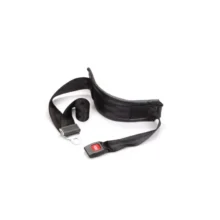
Learn why the Extremity Mobilization Strap is a smart, essential choice for safely facilitating extremity mobilization, combining adjustable utility, robust construction and essential patient comfort.

Sammon Preston’s Joint Mobilization belt is designed to provide mobilization and stabilization of joints for more effective manual therapy.


The Tiger Tail Original MassageStick 18″ is the perfect too to help your patients maintain their massage schedules at home, work or everywhere else while maintaining social distancing.
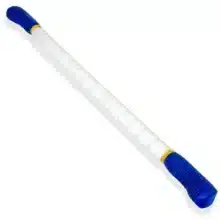
Learn how The Original Stick provides a simple, powerful solution for lasting muscle health, pain relief, and enhanced physical well-being.
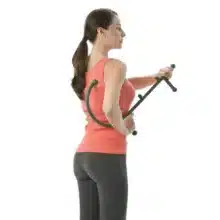
Find out how the Theracane Massager is a precision recovery tool that empowers you to take direct control of muscular tension and trigger points.
Manual therapy is a key component of sports medicine, focusing on the hands-on assessment, treatment, and rehabilitation of musculoskeletal conditions and injuries.
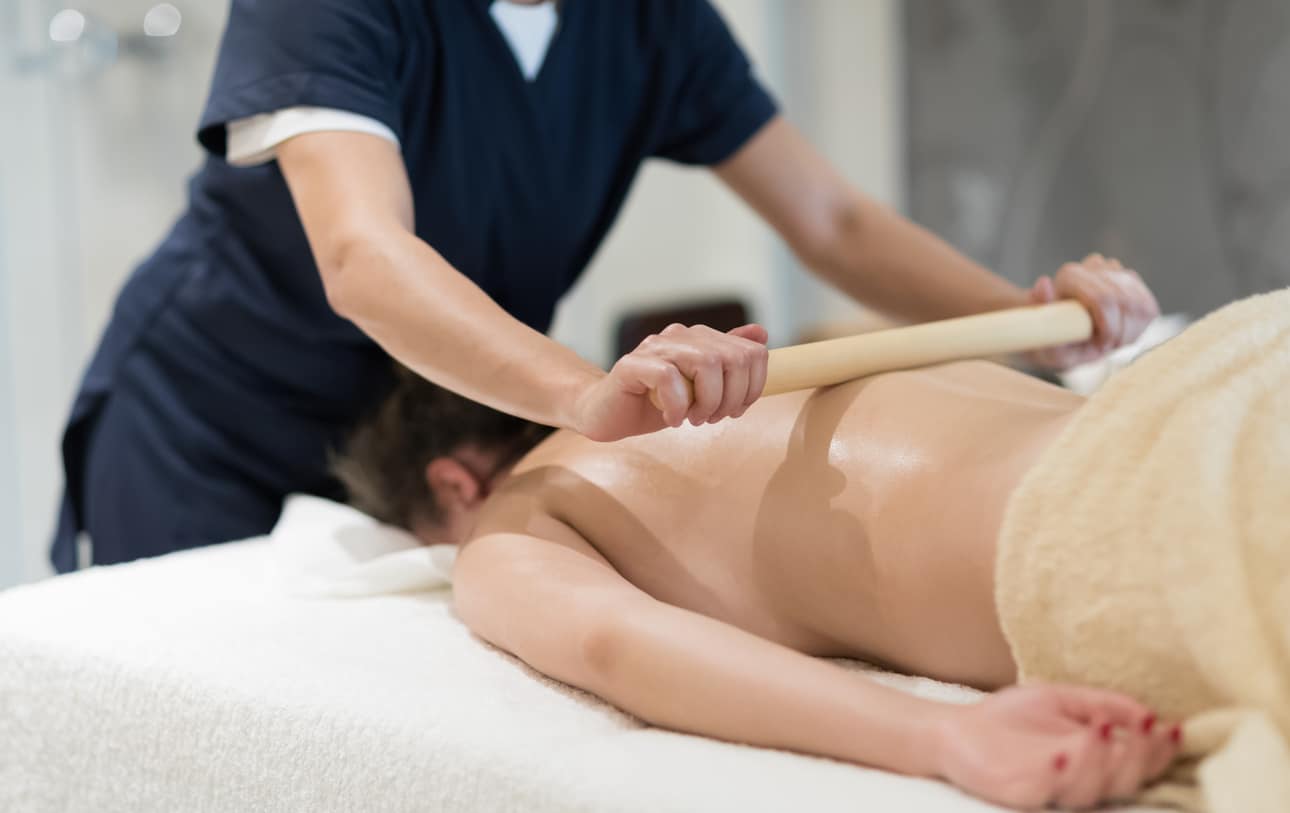
In order to effectively deliver manual therapy techniques, healthcare professionals rely on a variety of specialized tools and instruments. These manual therapy tools play a crucial role in enhancing the precision, efficiency, and outcomes of treatment interventions.
Let's explore the importance of manual therapy tools in sports medicine and their valuable contributions to patient care.
Manual therapy tools aid in the assessment and diagnosis of musculoskeletal conditions by providing precise measurements, feedback, and objective data. Instruments such as goniometers, inclinometers, and measuring tapes allow healthcare professionals to quantify range of motion, joint angles, and muscle lengths accurately. This data helps in formulating appropriate treatment plans, tracking progress, and providing objective feedback to athletes and coaches.
Soft tissue manipulation techniques, such as massage and myofascial release, are commonly used in sports medicine for injury prevention, pain relief, and enhancing tissue mobility. Manual therapy tools, such as foam rollers, massage balls, and handheld massagers, help healthcare professionals target specific muscle groups or trigger points more effectively. These tools allow for greater precision, increased pressure, and controlled application of force, leading to more efficient and focused soft tissue treatment.
Manual therapy tools are instrumental in performing joint mobilization and manipulation techniques. Tools like mobilization belts, joint glides, or manipulative devices assist in facilitating controlled and specific movements of joints. They enable healthcare professionals to apply appropriate forces and angles, promoting joint mobility, reducing stiffness, and restoring optimal function. These tools enhance the accuracy and effectiveness of joint mobilization techniques, making treatment easier on the therapist's hands.
Instrument-assisted soft tissue mobilization techniques have gained popularity in sports medicine for their ability to address soft tissue restrictions and promote healing. Tools like stainless steel or plastic instruments, such as Graston® or Gua sha tools, are used to detect and treat fascial restrictions, scar tissue, and adhesions. These instruments let healthcare professionals apply controlled pressure to specific areas; the evidence on how IASTM works and how well it works is still developing.
Manual therapy tools also play a role in assessing and treating neurological conditions or dysfunctions related to sports injuries. Tools like tuning forks or sensory testing instruments assist in evaluating sensory perception, proprioception, and nerve function. These tools aid in identifying specific neurological deficits and guide treatment approaches such as sensory re-education or neurodynamic techniques.
In addition to assessment and treatment, manual therapy tools contribute to effective rehabilitation and exercise therapy in sports medicine. Therapeutic tools like resistance bands, exercise balls, and balance boards enable targeted strengthening, stretching, and proprioceptive exercises. These tools facilitate progressive rehabilitation, functional training, and sport-specific exercises, supporting recovery.
It is important to note that the use of manual therapy tools in sports medicine requires proper training, expertise, and adherence to ethical guidelines. Healthcare professionals should undergo appropriate education and certification programs to ensure safe and effective utilization of these tools.
In conclusion, manual therapy tools are indispensable assets in sports medicine, enhancing assessment accuracy, treatment precision, and rehabilitation outcomes. By providing objective measurements, targeted soft tissue manipulation, joint mobilization, neurological assessment, and rehabilitation support, these tools enable healthcare professionals to deliver comprehensive and effective care to athletes and individuals with sports-related injuries. Manual therapy tools are integral to the holistic approach of sports medicine, optimizing recovery, improving performance and promoting rehabilitation.
Massage sticks, the Thera Cane and the Acuball let patients work on tight muscles and trigger points between appointments: the stick for legs and back, the hooked Thera Cane for hard-to-reach spots on the back and shoulders, and the heated Acuball for the back, neck and feet. Mobilization belts let therapists stabilize a joint and apply mobilizations with less strain on their hands. See also foam rollers, massage lotions and creams, massage tables and stretching products.