

5 Important Connections Between Sports Injuries And Athletic Performance
Sports injuries are an inevitable part of an athlete’s journey, whether they’re amateurs or elite professionals. While injuries are often viewed as setbacks, their impact extends far beyond immediate pain and recovery time—they can alter an athlete’s performance, career trajectory, and even psychological well-being. Understanding the connection between sports injuries and athletic performance is crucial for athletes, coaches, and medical professionals to optimize recovery, prevent future injuries, and maintain peak performance levels.
How Injuries Directly Affect Performance
Physical Limitations and Functional Deficits
When an athlete suffers an injury, even after healing, they may experience:
- Reduced strength and power – Muscle atrophy occurs during immobilization, and regaining full strength can take months.
- Decreased flexibility and mobility – Scar tissue and joint stiffness can limit range of motion, affecting technique.
- Altered biomechanics – Compensatory movements (e.g., favoring one leg after an ACL tear) can lead to inefficiencies and further injury risk.
Loss of Sport-Specific Skills
Time away from training means:
- Decline in coordination and timing – Sports requiring precision (e.g., basketball shooting, tennis serves) suffer when muscle memory fades.
- Reduced endurance – Cardiovascular fitness drops during recovery, requiring gradual rebuilding.
Long-Term Performance Decline
Some injuries, particularly those involving joints (knees, shoulders, ankles), can lead to:
- Chronic pain or instability – Repeated ankle sprains may cause lingering weakness, affecting agility.
- Early-onset arthritis – Cartilage damage from severe knee injuries can accelerate joint degeneration.
The Psychological Impact of Injuries on Performance
Fear of Re-Injury
One of the biggest hurdles athletes face post-injury is kinesiophobia—the fear of movement due to pain or re-injury. This can lead to:
- Hesitation during play (e.g., a soccer player avoiding tackles after a hamstring tear).
- Reduced explosiveness (e.g., a sprinter holding back to protect a previously torn Achilles).
Confidence and Mental Toughness
One obvious connection between sports injuries and athletic performance: injuries can shake an athlete’s self-belief:
- Performance anxiety – Doubts about whether their body can handle high-intensity play.
- Loss of competitive edge – Missing key games or seasons can disrupt momentum and mental sharpness.
Depression and Motivation Challenges
Being sidelined can lead to:
- Frustration and irritability – Especially in athletes who tie their identity to their sport.
- Loss of motivation – Long rehab processes can be mentally exhausting.
How Injuries Can Improve Performance (When Managed Correctly)
While injuries are generally detrimental, they can sometimes lead to positive adaptations if handled properly:
Forced Rest and Recovery
- Overtraining syndrome is common in athletes who push too hard. An injury-enforced break can allow full recovery, leading to better long-term performance.
Opportunity to Address Weaknesses
- Rehab can correct imbalances – A shoulder injury might reveal weak rotator cuff muscles, which, once strengthened, improve throwing mechanics.
- Improved movement patterns – Physical therapy can help athletes move more efficiently, reducing future injury risk.
Mental Resilience
- Athletes who overcome major injuries often develop greater mental toughness, learning patience and perseverance.
The Role of Injury Prevention in Sustaining Performance
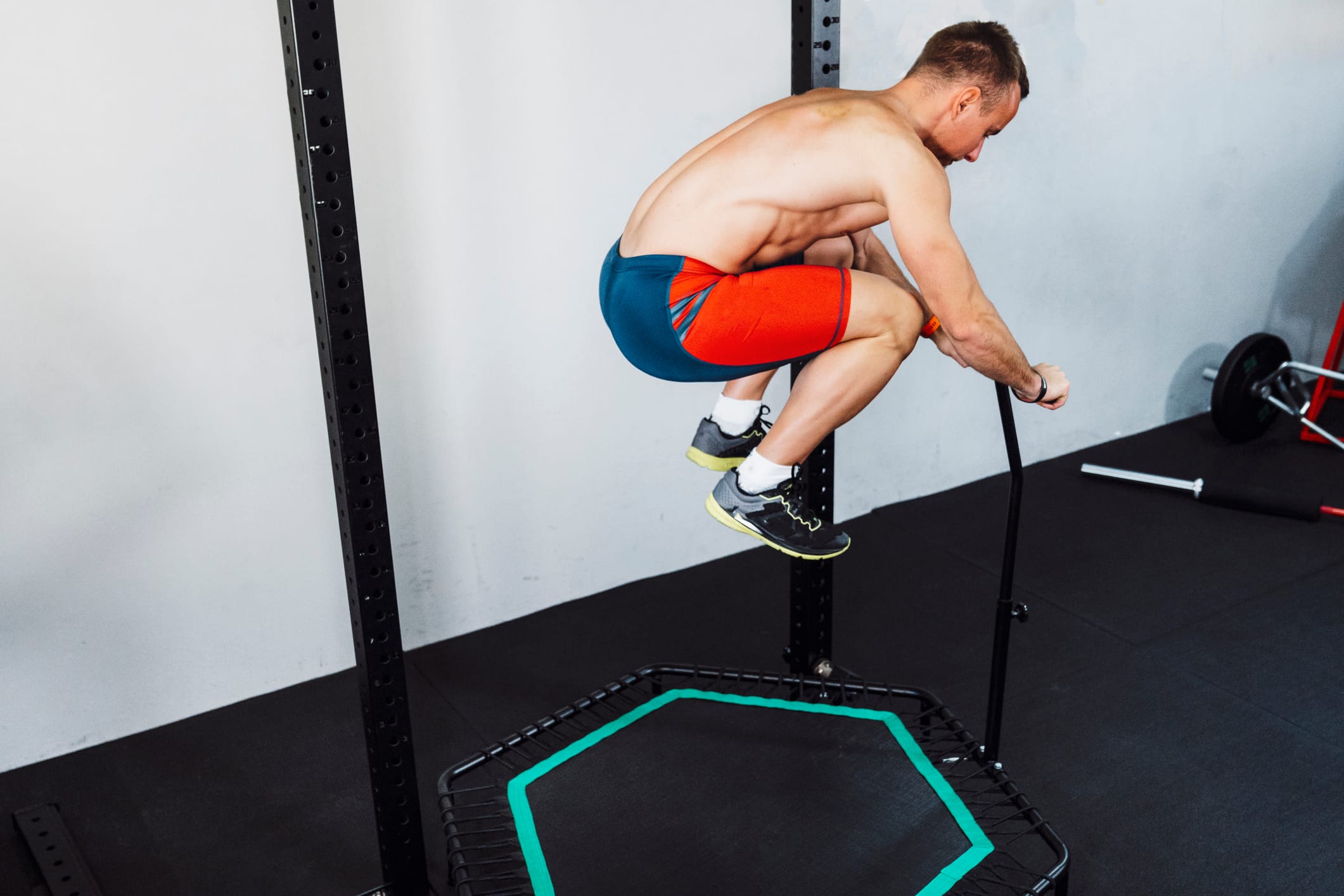
Since injuries can derail careers, prevention is key. Strategies include:
Proper Strength and Conditioning
- Eccentric training (e.g., Nordic hamstring curls) reduces muscle tears.
- Plyometrics and agility drills improve joint stability.
Load Management and Recovery
- Avoiding sudden spikes in training volume (a major cause of stress fractures and tendon injuries).
- Incorporating rest days and active recovery (e.g., swimming, yoga).
Sport-Specific Biomechanical Analysis
- Running gait analysis can prevent knee and hip injuries.
- Pitching mechanics checks reduce shoulder and elbow stress in baseball players.
Case Studies: How Injuries Have Shaped Athletic Careers
Positive Comebacks
- Adrian Peterson (NFL) – Returned from an ACL tear to win MVP the following season.
- Serena Williams (Tennis) – Overcame multiple knee surgeries to remain dominant.
Career-Altering Injuries
- Derrick Rose (NBA) – Repeated knee injuries diminished his explosive playing style.
- Bo Jackson (MLB/NFL) – A hip avulsion fracture ended his two-sport dominance prematurely.
The Conclusion: Connecting Sports Injuries and Athletic Performance
Sports injuries and athletic performance are deeply interconnected. While injuries can hinder physical abilities and mental confidence, they can also serve as turning points for athletes to refine their bodies and minds. The key lies in:
- Early and proper rehabilitation to minimize long-term deficits.
- Psychological support to rebuild confidence.
- Smart training and injury prevention to sustain high performance.
For athletes, the goal shouldn’t just be recovering from injuries—it should be returning stronger, smarter, and more resilient than before. By understanding the relationship between injuries and performance, athletes can navigate setbacks effectively and prolong their careers at the highest level.
Final Thought: Injuries are not just obstacles—they’re tests of an athlete’s ability to adapt, persevere, and evolve.






The simple explanations made this article a pleasure to read from start to finish. Keep publishing content like this because it really helps curious readers.
I just could not leave your web site before suggesting that I really enjoyed the standard information a person supply to your visitors Is gonna be again steadily in order to check up on new posts
This was exactly the kind of informative article I hoped to discover today. I plan to share this with a friend who has been asking similar questions.