
Sports injuries and treatment go hand in hand: the right treatment depends on the type of injury and on where the athlete is in their recovery. At Dunbar Medical we supply clinics, athletic therapists and teams with products used at every stage, from orthopedic braces such as ankle, wrist, back and knee braces to athletic tape, kinesiology tape, compression products and hot and cold therapy.
This guide to sports injuries and treatment explains how injuries are classified and the three approaches (primary, secondary and tertiary) used to prevent them, treat them and rehabilitate athletes after them.
Types of Sports Injuries
Sports injuries are usually grouped into three categories: traumatic, catastrophic, and overuse or repetitive stress injuries. Working out which category an injury belongs to is the first step in matching sports injuries and treatment options, because each category calls for a different response.
Traumatic Sports Injuries
Traumatic injuries account for most of the injuries seen in contact sports such as soccer, hockey, rugby and football. They are mainly caused by collisions with the ground, other players or equipment, and by sudden, unexpected forces on limbs and joints.
Examples include contusions (bruises), muscle strains, ligament sprains, wounds, bone fractures and cramps (powerful, involuntary muscle contractions that can last a few minutes).
When it comes to sports injuries and treatment in this category, first aid for minor soft-tissue injuries usually starts with rest, ice, compression and elevation, followed by assessment by a clinician. Ankle braces, knee braces or athletic tape may then be used to protect the injured area, either to prevent a repeat injury or as part of rehabilitation.
Catastrophic Sports Injuries
A catastrophic injury is a severe traumatic injury to the head, spine or brain. Concussion is the best-known example. It is common in football and boxing but can happen in almost any sport.
The long-term effects of repeated concussions can include progressive degenerative conditions such as dementia (dementia pugilistica has been described in boxers) and chronic traumatic encephalopathy (CTE), which has been reported in football players.
Catastrophic injuries need emergency medical care. Braces and tape play no part in their acute treatment, so for this category the focus of sports injuries and treatment planning is prevention: proper protective equipment, safe rules of play and concussion protocols.
Overuse and Repetitive Stress Injuries

Most of Dunbar Medical’s products are aimed at this category. Many of these injuries come from occupational activities (such as typing) or recreational activities (such as gardening), not only from sport.
Repetitive stress injury is an umbrella term for conditions caused by repeated tasks, forceful exertion, vibration, mechanical compression or holding an awkward position for a long time. Examples include carpal tunnel syndrome, tennis elbow and trigger finger. Long hours at a computer have led to more of these injuries in the hand, arm, neck and shoulder.
Symptoms can include aching, throbbing pain, tingling and weakness. Depending on severity, sports injuries and treatment plans in this category may include an orthopedic brace or athletic tape alongside other approaches commonly prescribed for early-stage repetitive stress injuries, such as pain relief medication, physical therapy and ultrasound therapy.
Sports Injuries and Treatment: The Three Approaches
Approaches to managing sports injuries are usually divided into three stages: primary (prevention), secondary (early diagnosis and treatment) and tertiary (rehabilitation). Thinking about sports injuries and treatment in these stages helps clinicians choose the right product for the right moment.
Primary Approach: Prevention
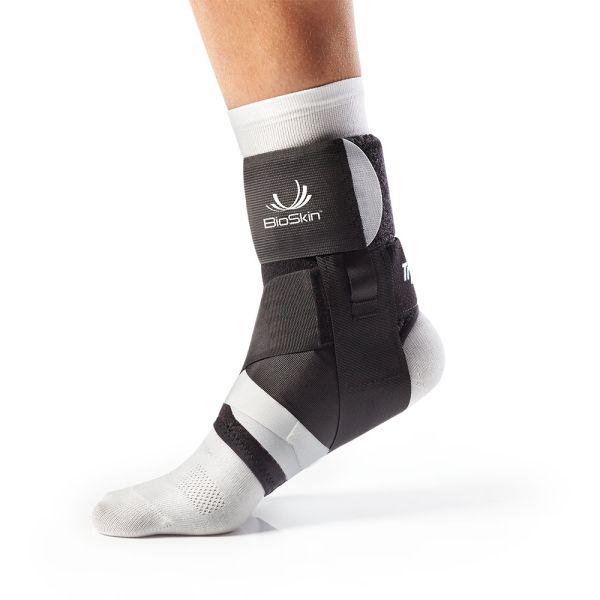
The primary approach aims to stop the injury from happening at all. This can mean wearing an ankle brace even with no history of ankle problems, or putting a proper warm-up and stretching routine in place before training or competition. A warm-up that targets the muscle groups used in the sport can help reduce the risk of injuries such as cramps, muscle tears and strains. Our guide to sports injury prevention covers this first stage of sports injuries and treatment in more detail.
Primary prevention also includes good nutrition and hydration: cramping, for example, is associated with inadequate hydration before and during activity. Screening, such as physical examinations of joint mobility and stability, muscle strength and power, and breathing patterns, can identify athletes at higher risk.
Secondary Approach: Early Diagnosis and Treatment
The secondary approach is about diagnosing and treating an injury as soon as possible after it happens, to limit the chance of further problems developing from the initial event.
In practice this often means early assessment, cold therapy and compression to manage swelling, and protecting the injured joint while it heals, for example with a knee immobilizer, a supportive brace or tape. Early, accurate diagnosis is one of the most important links between sports injuries and treatment outcomes.
Tertiary Approach: Rehabilitation

The tertiary approach focuses on rehabilitation: reducing and correcting the disability caused by the injury. It includes exercise and rehabilitation equipment used to rebuild strength, mobility and the other functions an athlete needs to return to sport. Our article on sports injuries and physiotherapy describes the rehab stages and return to sport.
A well-designed brace, athletic tape or kinesiology tape can also be part of a rehabilitation plan. These products support the injured joint or muscle, or limit its range of movement, to reduce the risk of re-injury during the gradual return to normal activity. Our guide to knee brace types explains how the main brace designs work, and our list of sports injury rehabilitation products shows what clinics commonly stock.
Matching Products to Each Stage
Each stage of sports injuries and treatment calls for different products:
- Prevention: ankle braces, knee sleeves and athletic tape for joints under stress.
- Early treatment: cold therapy, compression and immobilizing braces to protect the area and manage swelling.
- Rehabilitation: exercise equipment, kinesiology tape and functional braces such as wrist braces and elbow braces during the return to activity.
The right choice always depends on the individual athlete and the clinician’s assessment. Dunbar Medical supplies clinics, athletic therapists and teams across Canada with products for every stage of sports injuries and treatment, and our team can help you find suitable products for your practice.
Sports Injuries and Treatment FAQs
What is the first treatment for most sports injuries?
For minor soft-tissue injuries such as sprains and strains, rest, ice, compression and elevation in the first day or two is the usual starting point. Severe pain, visible deformity, being unable to bear weight, or any head injury needs medical assessment right away.
Should an injured athlete use a brace or tape?
It depends on the injury and the stage of recovery. Braces give consistent support and can be put on and taken off easily, while athletic tape is applied for a session and allows a closer fit. A clinician can advise which suits the injury, and the two are sometimes used together.
Are overuse injuries treated differently from traumatic injuries?
Yes. Traumatic injuries need acute care first, then protection and rehabilitation. Overuse injuries are usually managed by reducing the load that caused them, correcting technique or posture, and strengthening the area, with braces or tape used for support where appropriate.