How Does Kinesio Tape Work?
IIn this post, we briefly trace the history of Kinesio taping from its origins almost 40 years ago. We also briefly examine the principles behind the use of traditional athletic tape, which is often an alternative treatment option for repetitive stress injuries. In the main part of this text, we then explain the way in which Kinesio tape works to reduce the pain of these injuries and to accelerate the healing process. We highlight the contrasts between the traditional and kinesiological approaches to taping. At the end of the post, you will be able to answer the question “How does Kinesio tape work?” if you encounter it in the course of your professional work or other activities.
The Traditional Approach to Treating Repetitive Stress Injuries
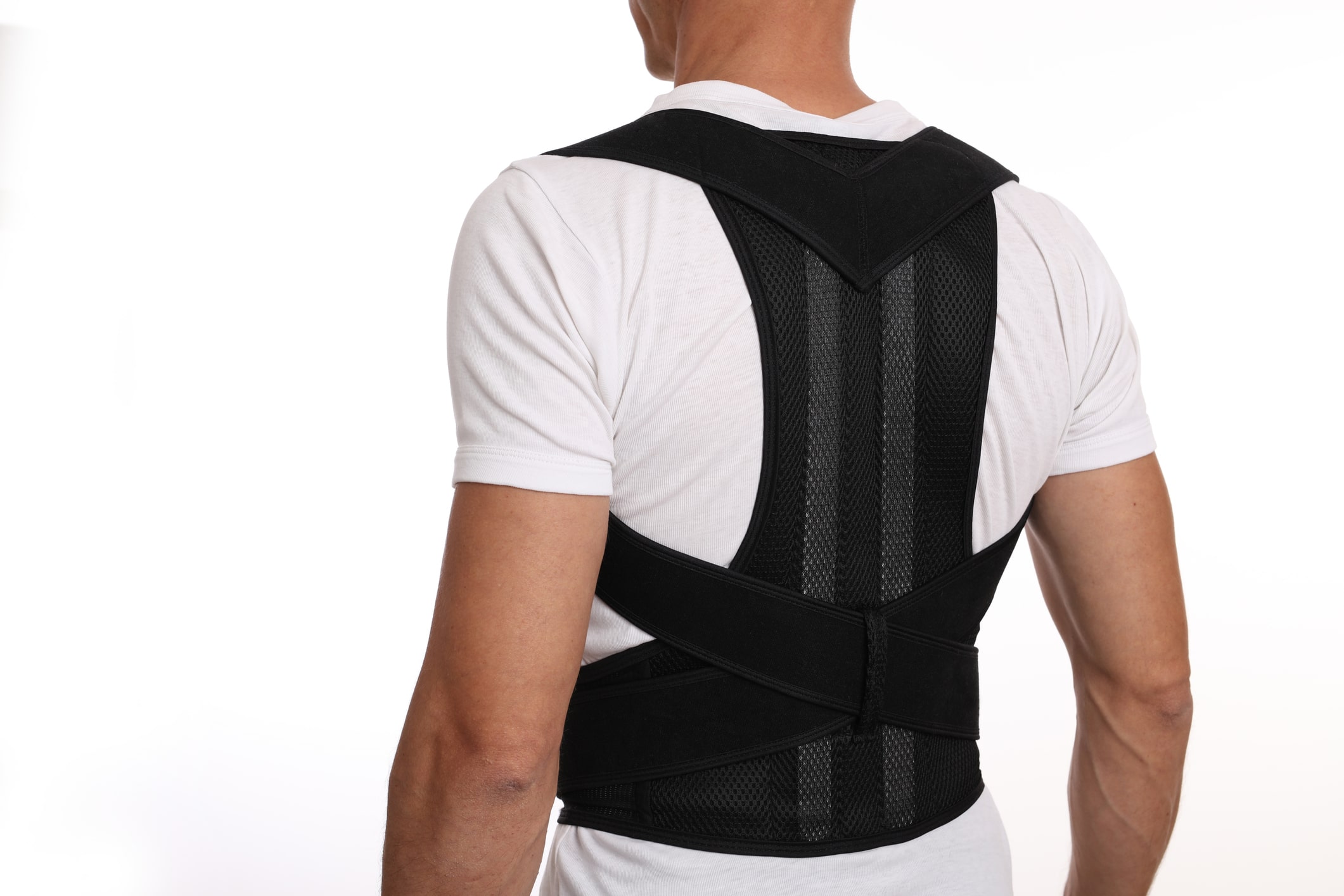
The traditional approach to the treatment of repetitive stress injuries has been to restrict the movement of the affected joints or muscles. Therapists believe that this restriction is necessary to permit the injured ligaments or other soft tissues to recover normal function. During the recovery process, the therapist allows the patient to gradually resume normal use of the joint or muscle until recovery is complete. At that point, the therapist will remove all restrictions.
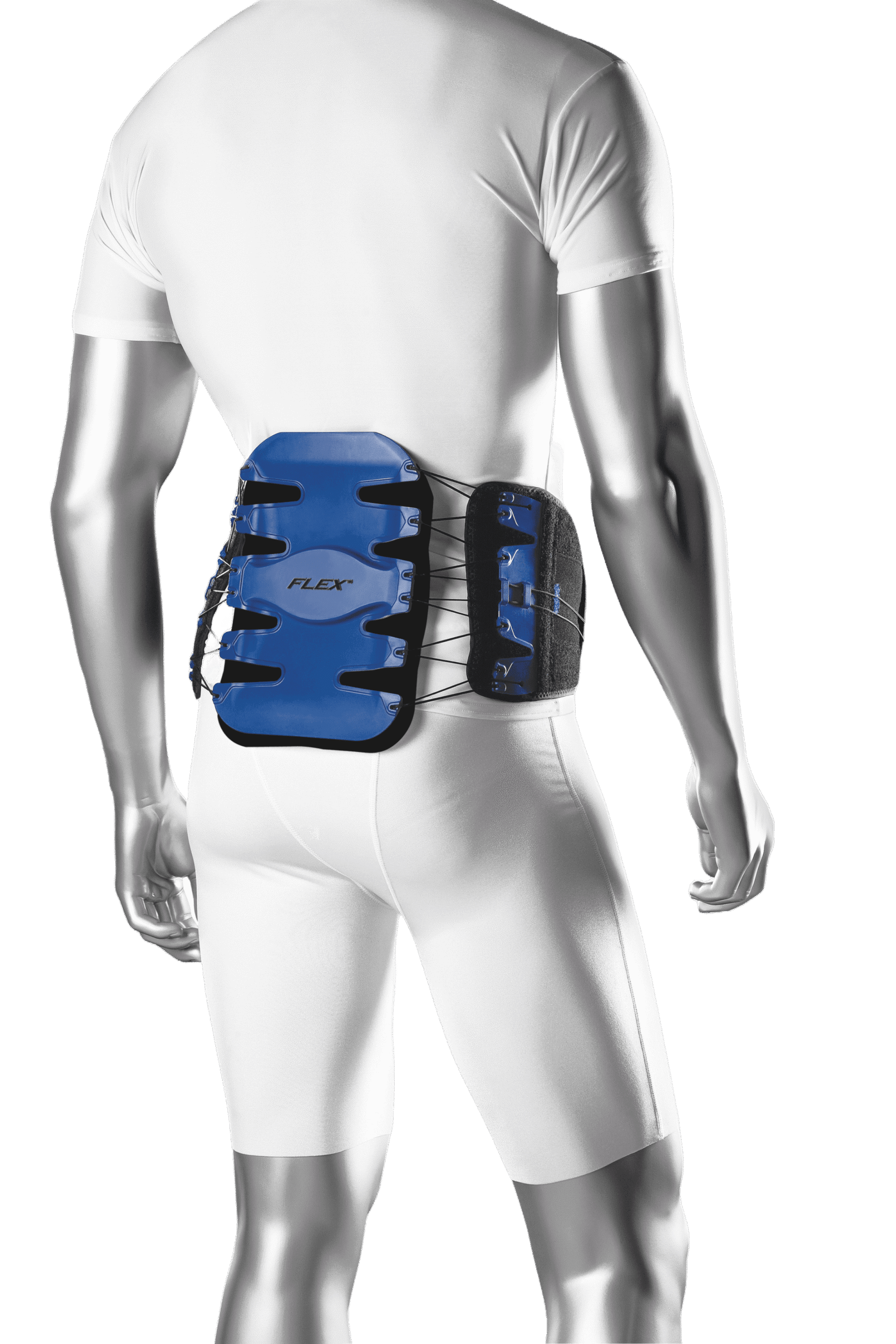
Traditional athletic tape and orthopedic braces both function on this principle with some variations. Rehabilitative braces, for example, are designed to be adjusted during the period of treatment. The therapist adjusts them to gradually increase the range of motion of the injured joint as recovery progresses. Traditional athletic tape also uses this approach and will generally restrict the range of movement throughout the period of recovery.
The Origin of Kinesio Taping
Kinesio tape was originally invented by a Japanese chiropractor, Dr. Kenzo Kase, in 1979. During the next 10 years, a growing number of Japanese chiropractors, orthopedists and other health care practitioners began using the method.
The method began to acquire international exposure initially through its use by Japanese Olympic athletes. It has also been popularized by other famous athletes.
How Does Kinesio Tape Work in Comparison to Traditional Treatments?
Kinesio tape works by gently lifting the layer of skin over the affected body part as the patient moves. This allows the flow of blood and other lymphatic fluids through and around the injured muscles and ligaments. There are two critical differences between Kinesio tape and traditional taping. The first of these is the extent of encirclement of the site of injury and the second is the range of motion permitted for the injured joint or muscle.
Extent of Encirclement
As explained above, the objective of traditional taping is to restrict joint and muscle motion to prevent further injury. To achieve this, the therapist would normally encircle the entire joint with tape.
Kinesiologists believe that this complete encirclement impedes the flow of bodily fluids through and around the site of injury and thus slows down the natural healing process. As a result, they will apply Kinesio tape on top of the injury site but in general will not completely encircle it.
As demonstrated in this image, Kinesio tape is normally applied on top of the injury site, but never in such a way as to completely encircle the joint.
Range of Motion
The second critical difference between the two approaches lies in the range of motion permitted for the injured joint. In contrast to traditional taping, kinesiologists will tape in such a way as to leave the patient with as normal a range of motion as possible. The reason for this lies in the result of the patient performing his or her normal range of movements. As the patient moves, the tape, skin and the tissues below it will also move in such a way as to pull the skin away from the muscle. This allows lymphatic fluid to flow around and cleanse the injured muscles or other tissues, thus promoting faster healing.
To facilitate a full range of normal motion for the patient, Kinesio tape is extremely thin and porous. This permits the skin to breathe under the tape. In addition, the tape has an elasticity comparable to that of human skin and muscles. Further, to ensure the tape stays connected to the skin in its original position, the manufacturer will normally use a powerful medical grade adhesive. The adhesive is water resistant to permit the patient to perform normal daily activities. For example, the patient can shower or bathe without affecting the tape.
Answering the Question: How Does Kinesio Tape Work?
To summarize the answer to “How does Kinesio tape work?” — the tape claims to work by gently lifting the skin over the affected area as the patient moves, which supports the flow of blood and lymphatic fluids around the injured tissues. Unlike traditional athletic tape, it does not fully encircle the joint and does not restrict range of motion. Instead, its thin, porous, skin-like elasticity allows near-normal movement, and that movement is precisely what helps pull the skin away from the underlying muscle and promote lymphatic drainage and healing.
For clinicians, the practical takeaway is that Kinesio tape and traditional athletic tape serve different purposes and reflect different philosophies of care. Traditional taping prioritizes restriction and protection. Kinesio tape prioritizes movement, circulation, and the body’s own healing processes. Choosing between them — or combining them — depends on the injury, the stage of recovery, and the patient’s activity goals.
Conclusion
In this post, we have briefly described the principles behind the operation of Kinesio tape. We also compared these principles to those governing traditional taping approaches. Should you encounter the question “How does Kinesio tape work?” in your professional work, you will now be able to explain both the mechanism and the reasoning behind it.
About Dunbar Medical
Dunbar Medical is a premier supplier of sports medicine and home health care products to pharmacies, physiotherapists and other clinics, and sports teams throughout Canada. The company distributes the leading brands in sports medicine through its national sales team and is known for its expertise in the field as well as its exceptionally high level of customer service and support.
For clinicians seeking Kinesio tape and related products, Dunbar Medical offers access to leading brands including Kinesio, Bio Skin, Mueller Sports Medicine, McDavid, LP Support and many others.
To learn more about the range of products carried by Dunbar Medical, please call 1-800-265-7126, visit https://dunbarmedical.com or email sales@dunbarmedical.com.