

Sprained Wrist Treatment: Grades, Recovery And Choosing The Right Wrist Brace
Sprained wrist treatment depends on how badly the ligaments are damaged. Most wrist sprains heal well with rest, ice, compression, elevation and a period of support in a wrist brace, followed by exercises to restore movement and strength. More severe sprains may need a longer period of immobilization or referral for specialist care.
This guide covers how wrist sprains happen, how they are graded, the main steps in sprained wrist treatment, and how to choose a wrist brace or splint during recovery. It is written for athletic therapists, physiotherapists, pharmacists and the patients they support.
What Is A Wrist Sprain?

A wrist sprain is a stretch or tear of one or more of the ligaments that connect the small bones of the wrist. It usually happens during a fall onto an outstretched hand, in sports such as skating, skiing, basketball, volleyball and gymnastics, or from a sudden twist of the wrist.
Common symptoms include pain, swelling, bruising, tenderness, warmth and pain when moving the wrist. Some people feel a pop or tearing at the time of injury.
Wrist Sprain Grades
- Grade 1 (mild): ligaments are stretched but not torn.
- Grade 2 (moderate): ligaments are partially torn, with some loss of function.
- Grade 3 (severe): a ligament is completely torn or pulled away from the bone, sometimes with a small piece of bone.
A wrist sprain can be hard to tell apart from a fracture, particularly a scaphoid fracture, which may not show on an initial X-ray. According to OrthoInfo from the American Academy of Orthopaedic Surgeons, wrist pain that does not improve, or significant swelling, bruising or deformity, should be assessed by a doctor.
Sprained Wrist Treatment Steps

For most mild and moderate sprains, sprained wrist treatment follows these steps:
- Protect and rest the wrist, avoiding activities that cause pain for the first few days.
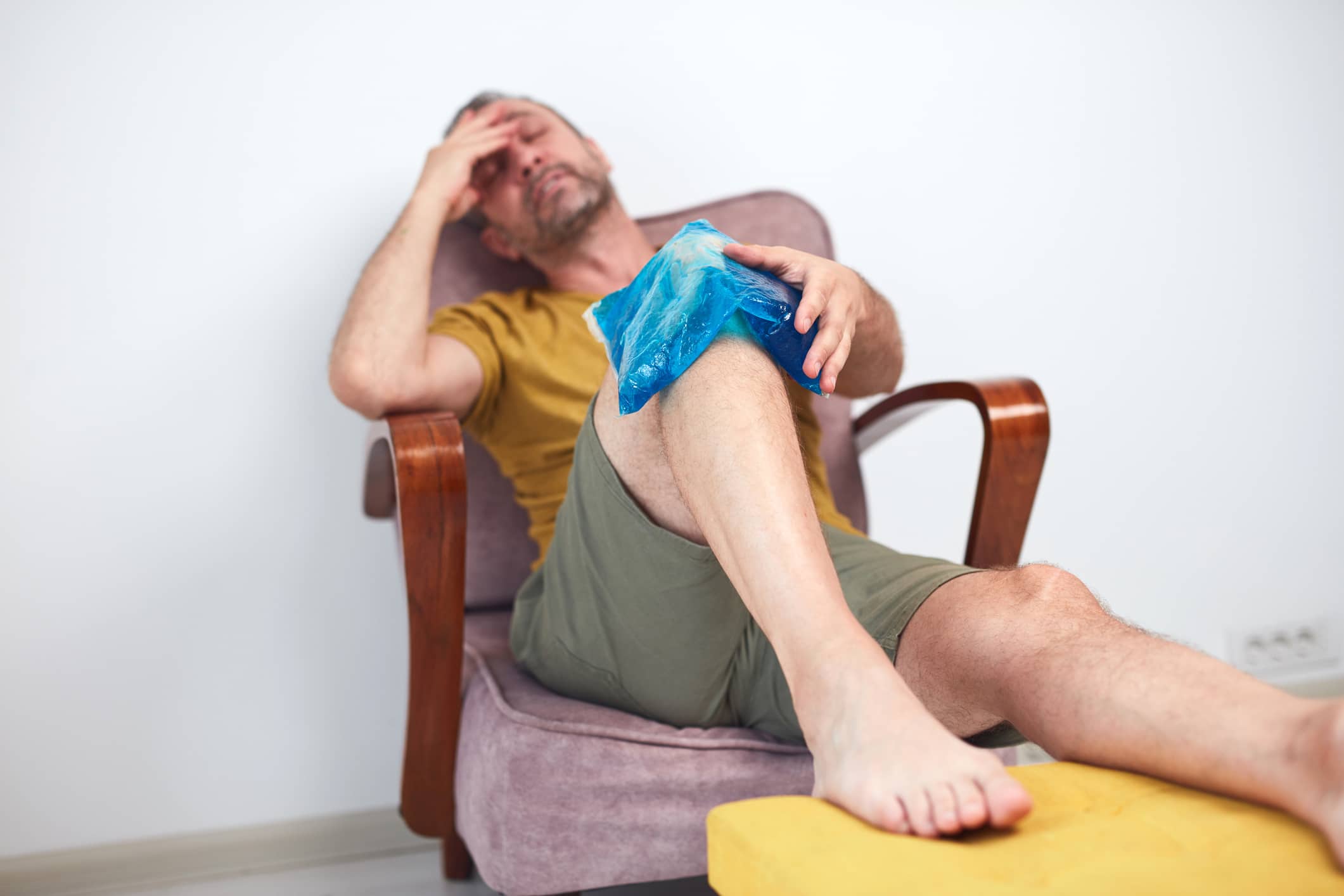
- Ice for 15 to 20 minutes at a time, several times a day for the first 48 hours, using a cold pack such as the Mueller Reusable Hot and Cold Pack wrapped in a thin cloth.
- Compression with an elastic wrap or sleeve to help control swelling.
- Elevation of the hand above heart level when possible.
- Support with a wrist brace or splint for comfort and protection while the ligaments heal.
- Rehabilitation with gentle range of motion exercises once pain allows, progressing to strengthening and grip exercises.
Severe sprains may need a cast or rigid splint for several weeks, and some complete ligament tears need surgery. The treating clinician will decide when the patient can return to sport.
Choosing A Wrist Brace For A Sprain

The right brace depends on the severity of the sprain and the stage of recovery:
- Rigid wrist splints hold the wrist still in the early stage of a moderate sprain. Options include the BioSkin DP3 Wrist Brace, Mueller Hg80 Wrist Brace, Mueller Green Fitted Wrist Brace and LP Wrist Splint.
- Supportive wrist braces limit painful movement while allowing some use of the hand, such as the BioSkin DP2 Wrist Brace.
- Wraps and sleeves give light compression and support for mild sprains and return to activity, such as the Mueller Adjustable Wrist Support and Mueller Wrist Sleeve.
- Thumb spica braces are used when the injury involves the thumb side of the wrist, such as the BioSkin Wrist Thumb Spica or McDavid Thumb Stabilizer.
Browse our full range of wrist braces, wrist splints and thumb braces. For wrist pain from nerve compression rather than injury, see our guide to the carpal tunnel wrist brace.
Recovery Time
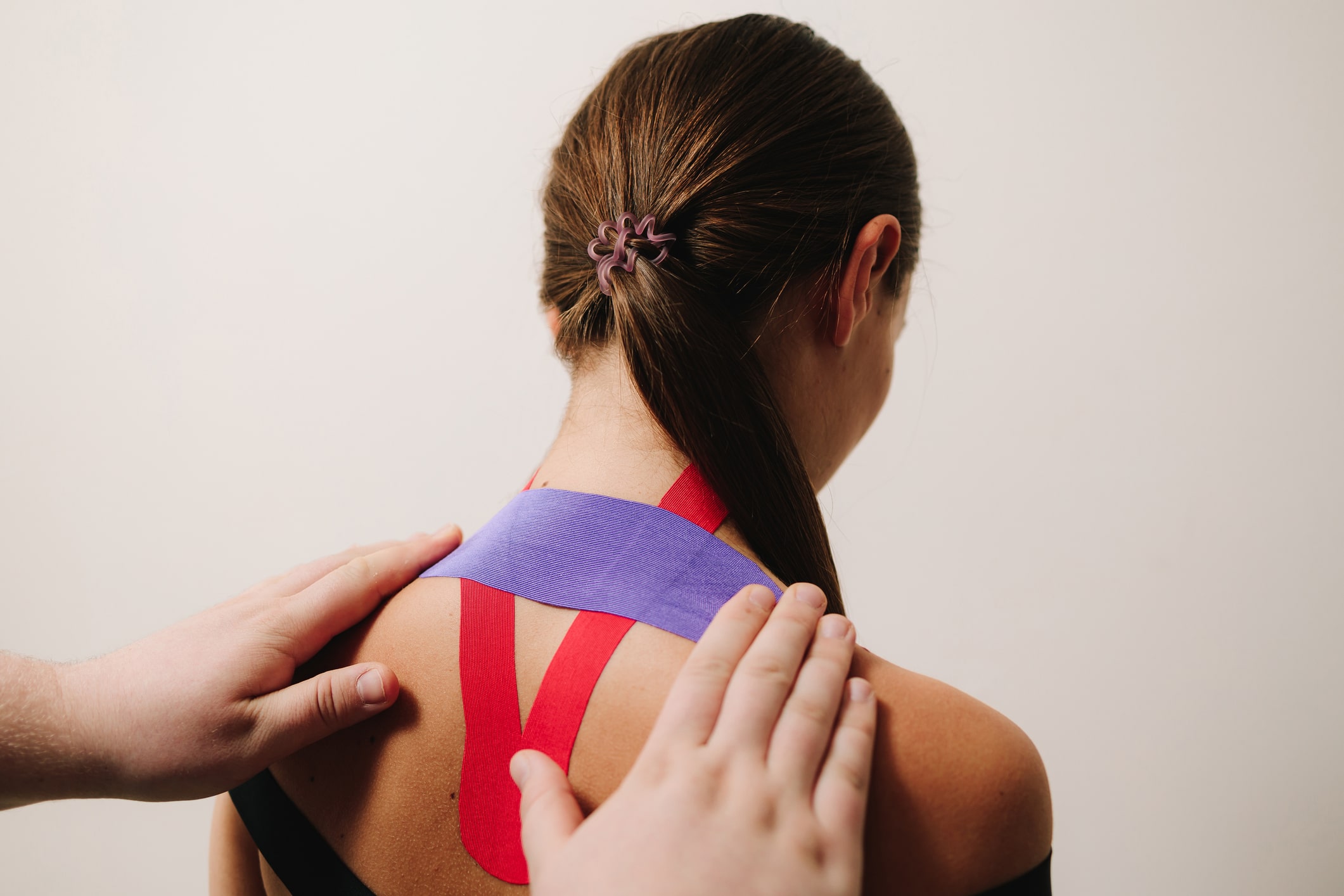
A mild wrist sprain often improves within one to two weeks. Moderate sprains may take several weeks, and severe sprains can take two to three months or longer, particularly if surgery is needed. Returning to sport too early increases the risk of re-injury, so athletes often continue to wear a brace or tape the wrist when they first return.
Frequently Asked Questions
What is the best sprained wrist treatment?
For most mild and moderate sprains, rest, ice, compression, elevation and a wrist brace, followed by exercises to restore movement and strength.
Should I wear a brace for a sprained wrist?
A brace or splint protects the healing ligaments and reduces pain. The type and how long to wear it depend on the severity of the sprain.
How do I know if my wrist is sprained or broken?
It can be hard to tell. Severe pain, swelling, deformity or pain that does not improve should be checked by a doctor, as some fractures do not show on the first X-ray.
How long does a sprained wrist take to heal?
Mild sprains often improve in one to two weeks, while moderate and severe sprains can take several weeks to a few months.
Wrist Braces For Clinics And Pharmacies
Dunbar Medical supplies athletic therapists, physiotherapy clinics, pharmacies and sports teams across Canada with wrist braces, splints and thumb supports from BioSkin, Mueller, McDavid and LP Support. Please contact our team for product advice.
Conclusion
Effective sprained wrist treatment starts with protecting the wrist and controlling swelling, then moves on to restoring movement and strength. Grade the injury, rule out a fracture when in doubt, and choose a wrist brace that matches the stage of recovery.





What about for hairline fractures? I had a cycling accident?