

Back Support Belts: 4 Everyday Situations Where One Can Help
When most people hear the phrase ‘back brace’ they usually associate it with aches, pains and misery, but it’s time this negative connotation ended. Investing in a back support belt and wearing it in certain everyday situations can prevent future injuries and save you from becoming one of the seven million Canadians that experience back pain every year. The following are four common scenarios in which wearing orthopedic back braces can save you and your back. We also provide suggestions for which type of back support is best for the activity in which you are participating.
For the Desk Worker

Muscle pain is often caused by repetitive movements and for the majority of people in today’s workforce, one of these repetitive actions is sitting at a desk for seven to nine hours a day. Spending most of the day seated in a desk chair can be an extremely uncomfortable experience, not to mention the potential damage to your back. Even if you don’t suffer from back pain after a long day at work right now, the odds are that you will at some point.
Maintaining good posture and providing your back with adequate support will go a long way to avoiding back pain as the weeks, months and years go by. A back support belt can meet all these needs — it can support your back and assist you to achieve and maintain proper posture. It can also reduce pain.
Maintaining good posture is one of the most essential, but often one of the most difficult, elements when sitting at a desk for most of the day. Utilizing a back brace for posture can do wonders to the small aches and pains you may experience throughout the work day and can keep them from becoming big aches and pains. Back braces that strap around your shoulders (almost like a backpack) and run down your back can help you to retrain your posture and keep you from hunching over your keyboard. This kind of brace will correct rounded shoulders and tight chest muscles and keep back pain away.
For the Athlete
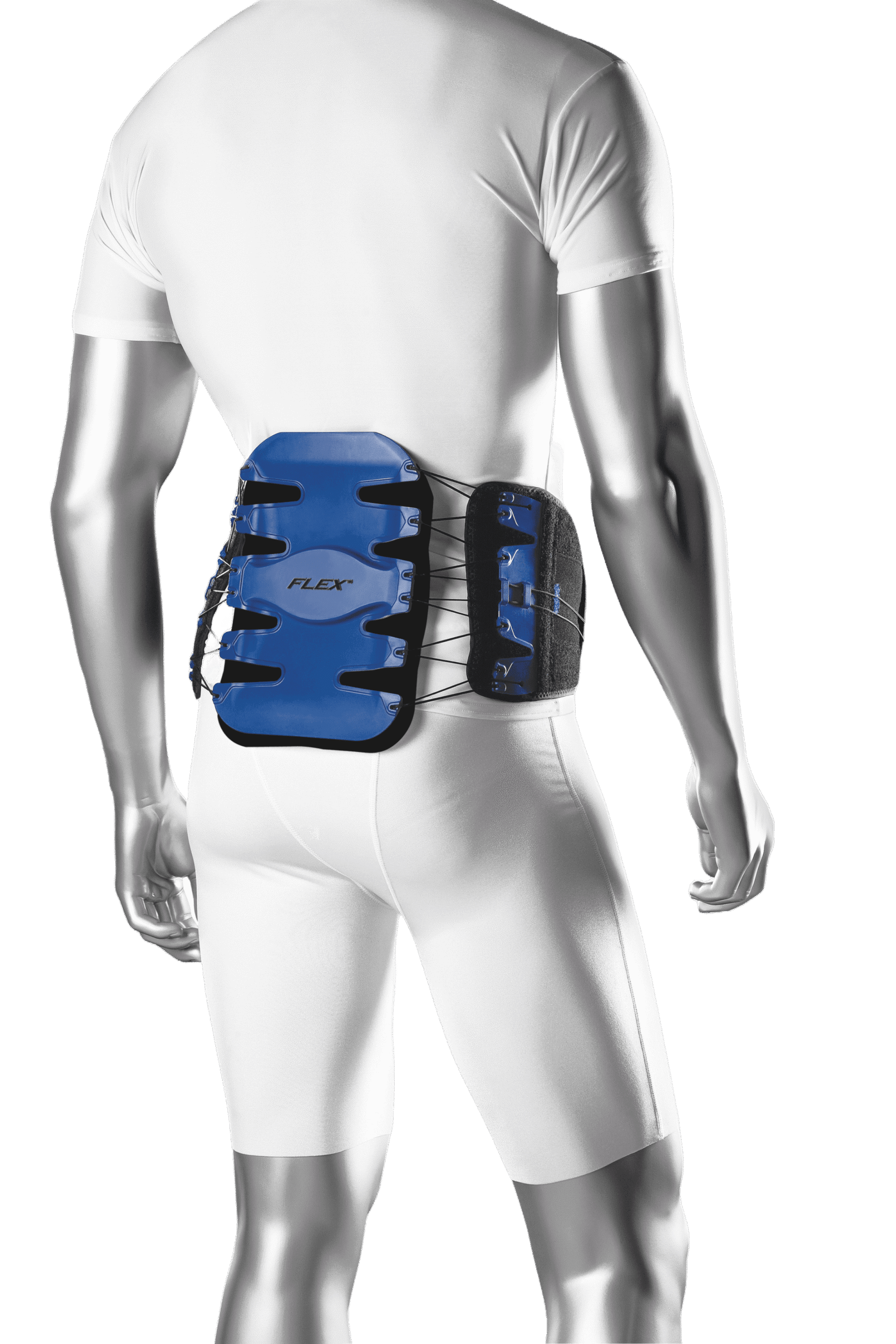
Most sports lay a beating on the back. Even if you play hockey, basketball, golf or any other sport recreationally, all that running, jumping, bending, hitting, twisting and sudden stops and starts can wear out your back and leave it vulnerable to injury and pain. A back support belt for athletes can provide maximum support and reinforcement for the player’s spine while also allowing flexibility.
The lower back typically takes the brunt of the stress that an athlete’s body receives as the core is most often activated in any sport. That is why it is certainly worth it for athletes of all skill levels and abilities to invest in a back support belt. This is a back support for lower back pain and it can also prevent that pain from developing in the first place. It can also provide stability to the lower back and help to evenly disperse any stress on the back muscles. This in turn reduces the risk of injury or re-injury among athletes.
For the DIY Enthusiast
If you’re the type who likes to get your hands dirty working on household projects, a brace is a must in order to protect your back and ensure that you don’t fall prey to bad habits, pain and injury. The primary reason for back injuries among the general population is improper posture and technique when bending and lifting. This improper physical exertion puts undue stress on the back, particularly the lower back, causing strains, sprains and long-term damage. It’s important to get ahead of these injuries with a back brace as a preventative measure.
A back support belt, back brace with lumbar support or a back brace vest work by compressing your abdomen rather than your back. By holding the stomach in and increasing the pressure on the abdomen, the brace increases the support and reduces the load on the lower back. The brace activates deep-lying core abdominal muscles as you bend and lift, making your spine more rigid and providing support for the structures in your back. When you are consistently bending, lifting and hunching over for a project, this subtle support makes all the difference between a sore aftermath and a pain-free one.
For the Expectant Mom

More than 50 per cent of women experience pain in the hips and back during pregnancy. This leads to extreme discomfort and, in some cases, lasting damage to the muscles and joints. Back braces for women who are pregnant provide much-needed support to the abdomen and back as the belly expands during pregnancy. A maternity belt mitigates the stress that often causes back pain and soreness. It can also improve posture in pregnant women, which further reduces lower back pain.
Pregnant women typically experience back pain at the junction of the pelvis and the spine — known as the sacroiliac joint. A sacroiliac belt is a great way for a pregnant woman to relieve pain in this joint. The belt uses direct compression around the circumference of the lower back to stabilize and relieve pressure in this area. The result is less swelling and reduced lower back pain.
These belts are normally available in plus sizes and are adjustable. This adjustability makes them great for women as they progress through pregnancy, and for those carrying twins.
Choosing the Right Back Support Belt
The four scenarios above illustrate an important point: there is no single back support belt that suits every situation. A posture brace designed for desk work is different from a back support belt built for lifting, which is different again from a maternity or sacroiliac belt. Matching the belt to the activity — and to the user’s body and needs — is essential for comfort, compliance, and effectiveness.
For clinicians, this means asking the right questions: What does the patient do all day? What movements trigger their back pain? Are they lifting, sitting, training, or pregnant? The answers will point toward the right category of back support belt and the right fit.
About Dunbar Medical
Dunbar Medical is a premier supplier of sports medicine and home health care products to pharmacies, physiotherapists and other clinics, and sports teams throughout Canada. The company distributes the leading brands in sports medicine through its national sales team and is known for its expertise in the field as well as its exceptionally high level of customer service and support.
For clinicians recommending a back support belt to their patients, Dunbar Medical offers access to leading brands such as Bio Skin, Mueller Sports Medicine, McDavid, Kinesio, LP Support and many others — including a range of back supports and belts suited to different activities and needs.
To learn more about the range of back support belts and other products carried by Dunbar Medical, please call 1-800-265-7126, visit https://dunbarmedical.com or email sales@dunbarmedical.com.





I must say this is a very informative stuff. Actually I was looking for such brief info on back support belts as well as brace for my wife and I’m sure she will definitely get help from this article. Thanks for sharing.