

Baseball Padded Splints
By: ProCare
| Size | Large, Medium, Small |
|---|
While helping to maintain stability by immobilizing the bones in the fingers these padded baseball splints, made from aluminium, are easily contoured for patient comfort. Available in different sizes.
Baseball Padded Splints are foam padded and are designed to help stabilize and immobilize the phalangeal joints. Padded for additional patient comfort. 12/Pack. Available in sizes small, medium and large. Size specifications are as follows:
Length
Small: 4.0″
Medium: 4.5″
Large: 5.0″
Sold in packs of 12.
| Size | Large, Medium, Small |
|---|
Q & A
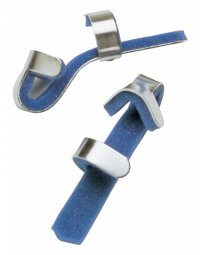
Table of Contents
Frequently Asked Questions
What are the specific indications for using a Baseball Padded Splint, and how does the padding benefit the patient?
Baseball Padded Splints are primarily indicated for the stabilization and immobilization of the phalangeal joints, most commonly following trauma such as fractures, severe sprains, or dislocations of the fingers. The rigid internal structure is designed to prevent angular movement that could compromise healing, ensuring the injured digit remains in a neutral, protected position.
The “padded” aspect of this splint is a critical feature for patient compliance. Unlike rigid aluminum or non-padded polymer splints, the foam padding acts as a pressure-distributing interface. This significantly reduces the risk of skin breakdown, pressure sores, and neurovascular compromise that can occur with prolonged immobilization. By enhancing patient comfort, these splints encourage consistent wear, which is essential for protecting the reduction of a fracture or the integrity of a repaired tendon during the critical early stages of healing.
How do I select the correct baseball padded splint size for a patient, and why is sizing critical for effective immobilization?
Selecting the correct size is essential for achieving proper stabilization. To determine the appropriate splint, measure the length of the patient’s affected finger from the tip to the proximal phalanx, ensuring the splint will support the digit without impinging on the web space or leaving the fingertip unsupported. The size specifications are as follows: Small accommodates fingers requiring a 4.0-inch splint, Medium fits those needing 4.5 inches, and Large is intended for 5.0-inch lengths.
Proper sizing is paramount because an ill-fitting splint compromises the primary goal of immobilization. A splint that is too long may restrict motion at the metacarpophalangeal joint or cause discomfort in the palm, while a splint that is too short fails to stabilize the full length of the phalanx, allowing for undesirable flexion or rotation at the injury site. Correct sizing ensures that the phalangeal joints are fully immobilized, preventing re-injury and promoting proper anatomical alignment during the recovery process.
What is the clinical advantage of purchasing these splints in a 12-pack, and how does the material composition support healing?
Purchasing Baseball Padded Splints in a 12-pack is designed to offer significant clinical and logistical advantages for medical facilities. This bulk configuration ensures that clinics, emergency departments, and athletic training rooms maintain a consistent inventory of all three sizes—small, medium, and large—allowing practitioners to immediately fit the correct splint without delay. From a cost-efficiency standpoint, the 12-pack reduces per-unit packaging waste and offers a lower total cost per splint compared to purchasing individual units, making it an economical choice for high-volume settings.
Regarding the material composition, the foam padding serves a dual purpose in the healing process. Beyond comfort, the closed-cell foam structure provides a degree of thermal regulation and moisture management, helping to keep the skin dry underneath the splint. This is crucial for maintaining skin integrity during the 2-to-6-week period of typical phalangeal immobilization, reducing the likelihood of complications that could interrupt the healing timeline.


Reviews
There are no reviews yet