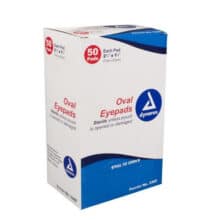
There are many types of wound dressings in common use and they are designed to treat the wide range of wounds that medical professionals may encounter from day to day. However, the one overriding goal that all dressings share in common is the prevention of infections.
Other goals of specific types of wound dressing are:
- To stop bleeding and encourage blood clotting (as essential first step in the healing process);
- To absorb excess blood, plasma or other types of body fluids. As an example, abdominal wounds tend to be accompanied by heavy bleeding. As a result, abdominal wound dressings need to be designed with the need for high absorbency in mind;
- Debridement of the wound, which is the removal of dead or infected skin tissue to keep the wound clean and to prevent possible interference with healing.
Types Of Wound Dressing
As mentioned above, there is currently a very large number of dressing types on the market today. It is useful to provide an overview of the different types of dressing in common use as well as their basic strengths and weaknesses.
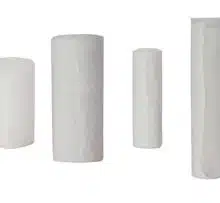
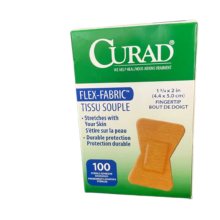
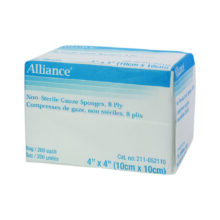
Cloth Dressings
This is the most prevalent type of wound dressing in use. Its main strengths are its applicability to a wide variety of wound types. Typical uses include protecting open wounds from minor injury, treating small patches of broken skin or treating wounds in highly contoured areas, where its conformability comes in useful.
Cloth dressings are also versatile enough to serve as either first layers of protection or as second layers in order to provide collateral security to the wound.
Transparent Dressings
These wound dressings allow doctors to continuously monitor the healing progress of a wound while the bandage remains in place. This makes them a favourite for dressing wounds for which there is a high risk of complications or infection. The types of wounds for which transparent dressings can be a preferred option include surgical incision sites, ulcers, burns and intravenous sites.
Foam Dressings
This is another common type of wound dressing and has absorbency as its main strength. It is able to absorb large amounts of excess fluid from a wound while keeping it moist. This derives from the unique property of foam to allow water vapour to pass through it while blocking bacteria.
A moist (but not wet) wound environment is generally considered to support healing.
Hydrocolloid Dressings
These dressings are made from a self adhesive but non breathable material. Like foam dressings, hydrocolloid dressings are designed to maintain a moist wound environment in order to promote faster healing. They are also highly regarded for their ability to last for exceptionally long periods.
To achieve this, the dressing surface is coated with various polymers that absorb water to form a gel.The dressing then keeps the gel in direct contact with the wound in order to promote healing.
Hydrocolloid dressings are a popular option for treating burns, lightly draining wounds, necrotic wounds or pressure or venous ulcers.
Hydrogel Dressings
As with hydrocolloid and foam dressings, these are designed to add moisture to the wound environment. This property helps maintain a moist wound environment and also helps break down dry and dead tissue.
These are highly versatile dressings that are applicable to many types of wounds. Having said this, they are probably most widely used on unusually painful or necrotic wounds, second degree burns and wounds that have been complicated by means of infection.
Hydrogel dressings are flexible enough to also be used to reduce potential problems from friction, chafing and blisters. 2nd Skin Squares or Circles are examples of this.
Alginate Dressings
These dressings are designed for maximum absorbency, placing them at the opposite end of the spectrum from dressings like hydrogel or hydrocolloid.
They are a great option for wounds that are already creating lots of excess fluid from drainage of blood or other fluids (e.g. abdominal wounds). On wounds that have a tendency to dry out, alginate dressings will only exacerbate that problem and should therefore be avoided.
One drawback of alginate dressings is the need to change them frequently (a direct result of their high absorbency)
Collagen Dressings
These dressings are fundamentally different from the types discussed above in that they can act as a second skin to allow new cells to grow on the wound bed. This helps shorten healing time, particularly for chronic wounds when healing has stalled due to complications.
Collagen dressings are a recommended option on wounds such as pressure sores, transplant sites, certain surgical wounds or injuries that cover a large body area, among others.
The Importance Of Wound Dressings In Healthcare
Wound dressings play a crucial role in healthcare, particularly in the management and treatment of various types of wounds. These specialized materials are used to cover and protect wounds, promote healing, and create an optimal environment for tissue repair. Wound dressings serve several essential functions that are integral to the healing process. Let's explore the key roles of wound dressings in healthcare:
Protection and Containment
Wound dressings provide a protective barrier that shields the wound from external contaminants, such as dirt, bacteria, and other foreign particles. By covering the wound, dressings prevent potential infection and reduce the risk of complications. They also help contain any drainage or exudate from the wound, maintaining a clean and controlled environment that promotes healing.
Moist Wound Healing
Maintaining an appropriate moisture balance is critical for optimal wound healing. Certain wound dressings, such as hydrogels, foams, or hydrocolloids, are designed to create a moist wound environment. This moist environment supports cell migration, facilitates the formation of new tissue, and promotes faster healing. Conversely, other dressings, such as alginate or absorptive dressings, are used to manage excessive wound exudate and maintain a drier environment, depending on the specific needs of the wound.
Facilitating Debridement
Debridement is the process of removing dead or non-viable tissue from a wound to promote healing. Certain dressings, such as enzymatic or autolytic dressings, are designed to facilitate this process. These dressings help to break down and remove necrotic or devitalized tissue, preparing the wound bed for healthy tissue regeneration. By promoting debridement, dressings contribute to the elimination of barriers to healing and facilitate a more efficient wound healing process.
Absorption of Exudate
Many wounds produce exudate, which is the fluid that is released from the wound during the healing process. Excessive exudate can impair healing, delay wound closure, and increase the risk of infection. Wound dressings with absorbent properties, such as foams or absorptive dressings, effectively manage and absorb excess exudate, helping to maintain an optimal moisture balance in the wound bed and preventing maceration of the surrounding healthy tissue.
Wound Protection and Cushioning
In certain cases, wounds may be located in areas prone to friction, pressure, or mechanical stress. Dressings provide a protective cushioning layer that helps distribute external forces and reduces the risk of further trauma to the wound. This protection is particularly important in preventing complications such as pressure ulcers or further tissue damage during movement or physical activity.
Promotion of Angiogenesis and Granulation
Some advanced wound dressings are specifically designed to promote angiogenesis (formation of new blood vessels) and granulation tissue formation. These dressings may contain growth factors or bioactive components that stimulate the body's natural healing processes. These are specialist dressings used under medical supervision, usually for chronic wounds.
Choosing The Best Wound Dressing
As every wound dressing has strengths and weaknesses, it is important to identify the features of the most appropriate dressing to use in any situation.
Below, we have set out a number of suggested questions you should ask before choosing a dressing to use in any situation:
Are the wounds you treat normally wet or dry?
If many of the wounds tend to be dry, you should consider having a selection of wound dressings on hand that will donate moisture. One example of these is a hydrogel dressing. On the other hand, if many of the wounds are moist or exudative, you will need a good supply of dressings & bandages that will absorb the excess moisture.
Are many of the wounds you encounter infected?
If so, you will need a supply of wound dressings that contain anti infection agents like silver or iodine. However, bear in mind that these dressings vary greatly in their absorptive abilities. Consequently, you will need to consider the answer to the first question above together with the response to this one.
Is odor an issue with many of the wounds you treat?
This may be the case, for example, with wounds that are the result of conditions like cancer or pressure ulcers. In this case, a charcoal wound dressing will help by absorbing the malodorous gases emanating from the bacteria.
Conclusion
Wound dressings are essential tools in healthcare, playing a vital role in protecting, promoting healing, and managing various types of wounds. By providing a protective barrier, creating an optimal moisture balance, facilitating debridement, absorbing exudate, and offering cushioning and protection, wound dressings contribute significantly to the overall management and successful healing of wounds. The selection of appropriate dressings depends on the specific characteristics of the wound, the desired healing outcomes, and the individual patient's needs, with healthcare professionals applying their expertise to determine the most suitable dressing for each situation.