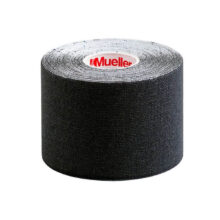
1. Injury Prevention and Joint Stabilization
One of the primary uses of athletic tape in rehabilitation healthcare is preventing injuries by stabilizing joints and muscles. Athletes, patients recovering from injuries, or individuals with weakened joints can benefit significantly from this application.
- Joint Support: Athletic tape restricts excessive movement, providing stability to vulnerable areas such as ankles, knees, and wrists. This reduces the risk of sprains, strains, and other soft tissue injuries.
- Proprioceptive Feedback: The tactile sensation from the tape enhances proprioception, helping patients become more aware of their movements. This is particularly beneficial in avoiding improper mechanics that can lead to re-injury.
Example: Ankle taping is a common technique used to prevent rolling injuries in sports like basketball and soccer.
2. Pain Management
Athletic tape can be used to alleviate pain during rehabilitation by reducing pressure on injured areas or inflamed tissues. Specialized taping techniques, such as those used with kinesiology tape, can also help manage chronic pain conditions.
- Reduced Pressure on Soft Tissues: Elastic therapeutic tape lifts the skin slightly, reducing pressure on underlying tissues and nerve endings.
- Pain Relief Without Medication: This non-invasive method provides a drug-free alternative for managing pain, making it suitable for patients with medication sensitivities or chronic conditions.
Example: Patients with conditions like plantar fasciitis or tennis elbow often experience significant pain relief through specific taping methods.
3. Enhanced Healing and Circulation
Athletic tape can play a vital role in promoting healing by improving blood flow and lymphatic drainage. This is particularly true for elastic taping techniques designed to support recovery.
- Improved Circulation: The gentle lifting effect created by elastic tape enhances blood flow to the injured area, delivering essential nutrients and oxygen to promote healing.
- Reduced Swelling: The improved lymphatic drainage helps minimize swelling and inflammation, a key factor in speeding up recovery.
Example: Kinesiology tape is often applied to swollen knees or sprained ankles to support fluid drainage and accelerate healing.
4. Muscle Activation and Re-education
Rehabilitation healthcare often involves retraining muscles weakened by injury or prolonged immobilization. Athletic tape can assist in this process by stimulating muscle activation and improving movement patterns.
- Neuromuscular Re-education: Taping techniques can help retrain the muscles to fire correctly, ensuring proper movement mechanics and reducing the risk of compensatory injuries.
- Targeted Muscle Support: By applying tape to specific muscle groups, therapists can encourage proper alignment and engagement during exercises.
Example: Post-surgical rehabilitation for shoulder injuries often involves taping to activate and support the rotator cuff muscles during therapy sessions.
5. Versatility in Rehabilitation Exercises
Athletic tape is a versatile tool that supports a variety of rehabilitation exercises. Whether used for strength training, balance improvement, or mobility exercises, tape enhances the effectiveness of rehabilitation programs.
- Range of Motion Support: Athletic tape can be applied in ways that encourage safe movement while preventing overstretching or strain.
- Functional Training: Tape can support patients during functional training exercises, which mimic real-life movements to prepare them for daily activities.
Example: Taping a patient’s lower back during physical therapy can provide additional support for safe participation in core-strengthening exercises.
6. Psychological Benefits
The use of athletic tape can also provide psychological benefits to patients recovering from injuries. Feeling physically supported by tape can boost confidence and reduce fear of movement, which is common during the early stages of rehabilitation.
- Increased Confidence: Knowing that an injured area is supported can encourage patients to engage more fully in rehabilitation exercises.
- Sense of Security: The physical presence of tape can reassure patients, reducing anxiety about re-injury.
Example: A runner recovering from a hamstring strain may feel more confident returning to light jogging with the added support of athletic tape.
7. Customizable and Patient-Specific Applications
Athletic tape is highly adaptable, allowing healthcare providers to tailor its application to meet the unique needs of each patient. This flexibility is vital in rehabilitation healthcare, where no two injuries or recovery processes are identical.
- Custom Taping Techniques: Therapists can use different taping patterns, such as X, Y, or fan shapes, to address specific injuries or provide targeted support.
- Variety of Tape Types: From rigid athletic tape for immobilization to elastic kinesiology tape for dynamic support, there is a tape for every rehabilitation scenario.
Example: Patients recovering from ACL reconstruction may benefit from rigid taping for joint stabilization early on, transitioning to elastic tape as mobility improves.
Conclusion
Athletic tape is an indispensable tool in rehabilitation healthcare, offering a wide range of benefits for injury prevention, pain management, healing, and muscle re-education. Its versatility, ease of use, and ability to provide tailored support make it an essential component of effective rehabilitation programs.
Whether helping athletes return to peak performance or assisting patients in regaining mobility after surgery, athletic tape plays a crucial role in achieving positive health outcomes. By integrating athletic tape into rehabilitation strategies, healthcare providers can ensure patients recover faster, safer, and with greater confidence.