

Electrical Tape
By: Dunbar Medical
This roll of general purpose vinyl electrical tape is useful for providing additional security to your tape jobs.
Dunbar Medical Electrical Tape – One roll of general purpose vinyl electrical tape. CSA approved.
How Electrical Tape Can Enhance Support in Sports Taping
Electrical (or vinyl insulation) tape can be a useful supplement to traditional sports tape (like athletic or kinesiology tape) in certain scenarios, providing extra rigidity, weather resistance, or cost-effective reinforcement. While not a primary taping choice, it can enhance stability when applied strategically. Here’s how:
Reinforcement Over Primary Tape Jobs
– After applying a standard athletic tape or cohesive bandage, a layer of electrical tape can lock the tape in place, preventing unraveling during intense movement.
– Its strong adhesive and non-stretch nature make it ideal for immobilizing joints (like ankles or wrists) where excessive motion could compromise the underlying tape.
– Useful in contact sports (football, rugby) where tape may get tugged or wet—electrical tape’s water-resistant properties help maintain hold.
Emergency or Budget-Friendly Support
– If traditional sports tape isn’t available, vinyl tape can temporarily secure a wrap or splint (though it shouldn’t contact bare skin long-term due to adhesive strength).
– Its high tensile strength helps stabilize makeshift braces (e.g., rolled ankle taping with a cloth base layer).
Weatherproofing & Durability
– Unlike cloth tape, electrical tape resists sweat, rain, and snow, making it a practical outer layer for outdoor athletes.
– Helps seal the edges of kinesiology tape to prevent peeling during swimming or high-intensity play.
Cautions
– Never apply directly to skin—always use over another tape or a protective layer (pre-wrap, underwrap) to avoid irritation or adhesive burns.
– Avoid excessive tightness—vinyl tape lacks elasticity and could restrict circulation if wrapped too tightly.
– Remove carefully (use baby oil or adhesive remover) to prevent skin damage.
Best Uses
– Ankle/wrist stabilization (over athletic tape).
– Securing splints or padding in emergency situations.
– Outdoor sports where moisture resistance is critical.
For optimal results, combine electrical tape with proper sports tape techniques, using it as a reinforcement tool rather than a standalone solution.
Q & A
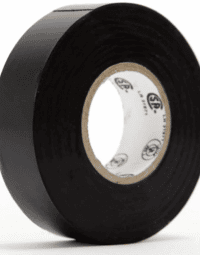
Table of Contents
Frequently Asked Questions
Can electrical tape be applied directly to the skin?
No, electrical tape should never be applied directly to the skin. Its strong adhesive is designed for insulation and does not have the breathable, skin-friendly properties of traditional sports tape. Direct application can lead to skin irritation, adhesive burns, or difficulty with removal. Instead, use it exclusively as an outer layer over a base of athletic tape, cohesive bandage, or pre-wrap. This approach allows you to benefit from the tape’s rigidity and weather-resistant qualities while protecting the athlete’s skin. When the session is complete, remove the tape carefully using baby oil or an adhesive remover to minimise discomfort and preserve skin integrity.
What are the main benefits of using electrical tape in sports taping?
Electrical tape serves as an exceptional reinforcement tool, primarily valued for its durability and weather resistance. Unlike cloth athletic tape, it does not absorb moisture, making it ideal for outdoor athletes who compete in rain, snow, or high-sweat conditions. Its non-stretch, high-tensile construction provides a firm, immobilising layer that helps lock underlying tape jobs in place, preventing unraveling during intense movement. For sports such as football or rugby, where tape is frequently tugged or exposed to the elements, a final layer of electrical tape adds critical longevity to the support. When used strategically over proper foundational materials, it transforms a standard tape job into a more resilient, competition-ready stabilisation.


Reviews
There are no reviews yet