Athletic Injury Rehabilitation: 4 Key Stages in its Evolution From Ancient Greece to Modern Locker Rooms
One of the pioneers of modern sports medicine was Dr. J.C. Kennedy, who organized a team of doctors to travel with the 1968 Canadian Olympic team to Mexico City. The concept of bringing team doctors to ensure the health and top performance of elite athletes would become standard practice for every team participating in high-level sporting events. That moment marked an important milestone in a long story — one in which athletic injury rehabilitation finally evolved from a collection of folk practices into a sophisticated, evidence-based discipline.
The Here and Now

Today, sports medicine has become an extremely specialized and valued profession in the athletic community. Consequently, professionals are sought by everyone from house-league hockey players to the most elite athletes on the planet. Much of the latest research in the sports medicine industry today focuses on preventing injuries and using technology to combat and rehabilitate injuries.
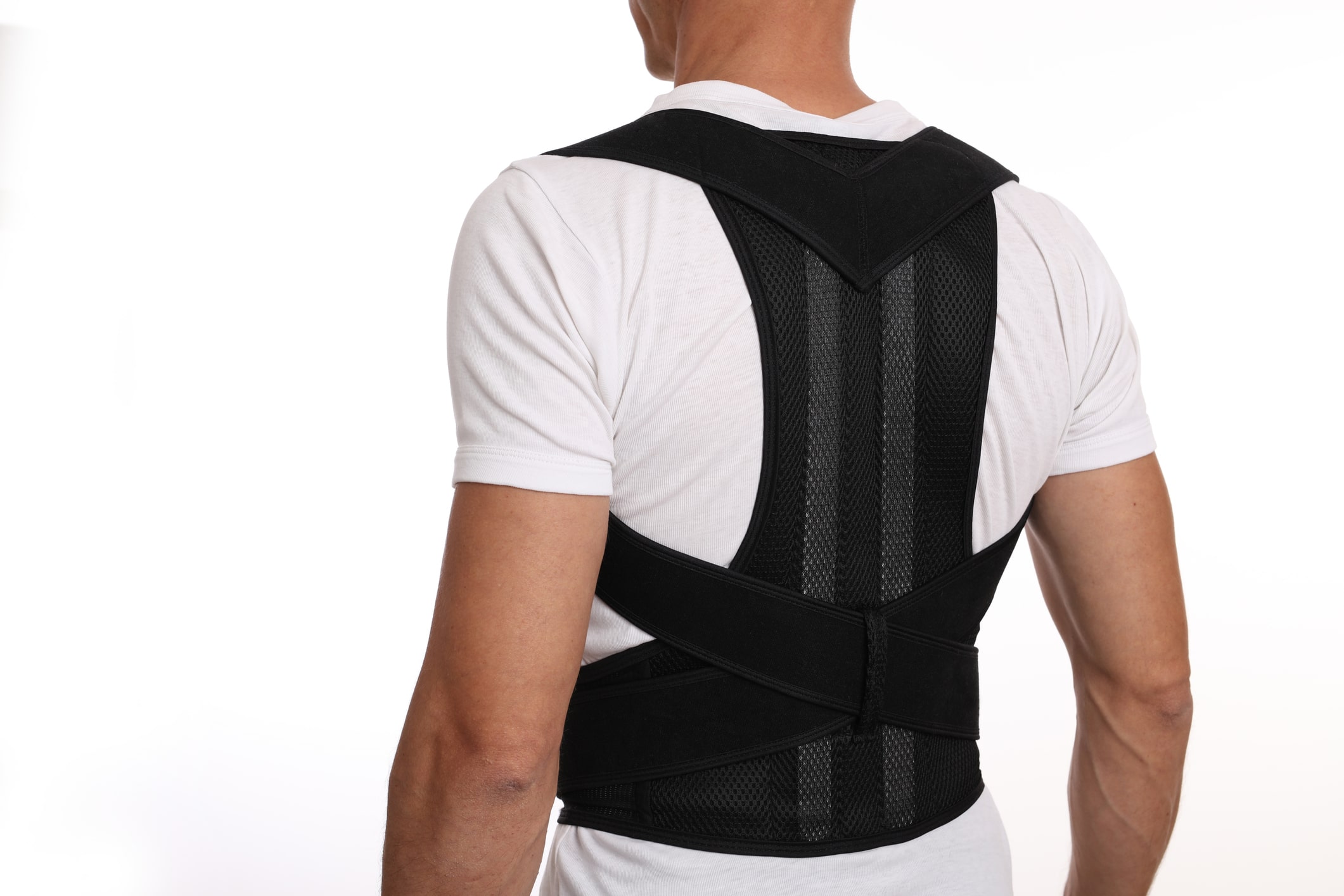
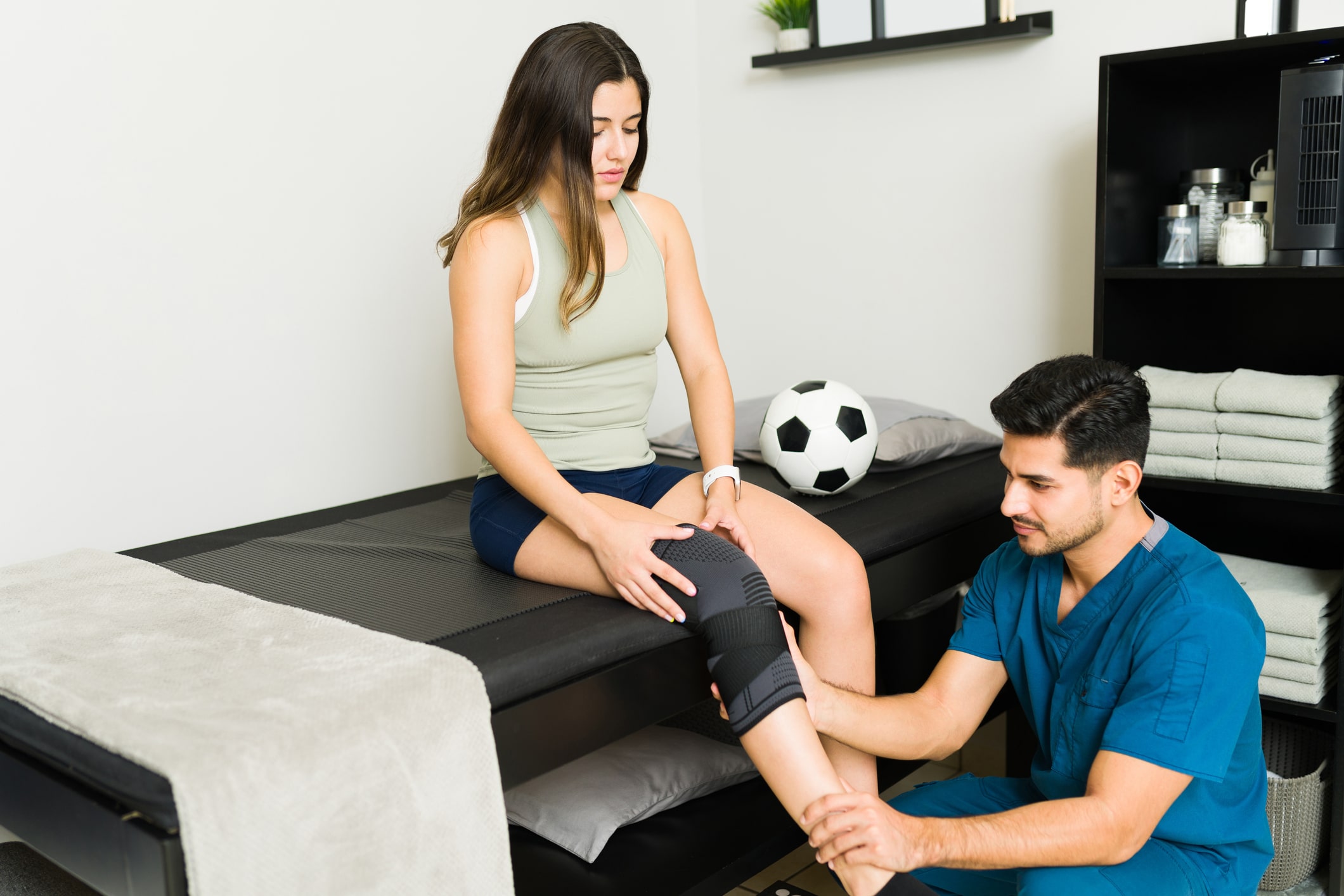
For example, the bionic knee brace, cryotherapy, and personalized medicine are some of the latest developments in the field. They represent efforts by modern practitioners to use science to help athletes heal quickly and perform to their full potential. Each of these tools has a direct application in athletic injury rehabilitation — shortening recovery timelines, reducing pain, and helping athletes return to competition with confidence.
Sports and competition have been a part of human civilization for thousands of years, spanning the Olympics of ancient Greece and the multi-billion dollar industries built around professional leagues today. It should come as no surprise, then, that sports medicine has been around for almost as long. Ever since humans have tried to run faster, jump higher and throw further, there have been individuals dedicated to helping them stay healthy and perform better — and to helping them recover when injury strikes.
In the Beginning: Therapeutic Exercise as Early Rehabilitation
Sports medicine originated in ancient Greece and Rome at a time when success in sport and competition were increasingly prized. However, the young athletes who competed in the Olympics and other sporting events were inadequately trained.
Methods to improve this training and provide better overall supervision of young athletes’ physical education were designed. This was the beginning of a coordinated effort to encourage physical education and increase the strength and abilities of athletes in carefully controlled environments.
Dating from the 5th century BC, efforts were made to reduce the risk of injury, starting most notably with Greek physicians Herodicus and Galen. They are credited with using therapeutic exercise to help heal injuries and monitoring the gladiators, respectively. Herodicus’s use of therapeutic exercise is particularly notable in the history of athletic injury rehabilitation: it represents one of the earliest recorded examples of structured movement being used deliberately as a healing tool rather than simply as training.
Picking Up Steam: The Olympic Movement and Organized Research
Sports medicine progressed slowly in the centuries after its ancient inception. However, the rebirth of the Olympic Movement in 1896 played an important role in boosting the profile of the profession. The modern Games served as a catalyst for research efforts directed at the reduction of sport injuries.
As competition intensified and the stakes of athletic performance rose, so too did the demand for professionals who could guide athletes through recovery. The Olympic Movement helped establish that athletic injury rehabilitation was a legitimate area of medical inquiry — one deserving of dedicated research, trained practitioners, and shared standards of care.
Great Leaps Forward: The Birth of an Organized Profession
There would be many advances in sports medicine after the turn of the 20th century as practitioners became better educated and professional networks grew. For example, a decisive factor in the development of sports medicine was the International Hygiene Exhibition in Dresden in 1911. In the wake of this event, and as a direct result of its success, came the inaugural congress for physical exercise.
Another major step was the creation in 1924 of the German Federation of Physicians for the Promotion of Exercise. This event is commonly cited as the birth of sports medicine as an organized profession. From this point forward, athletic injury rehabilitation had a formal home — a community of practitioners, a body of shared knowledge, and a commitment to advancing the field through research and collaboration.
The Modern Era: Technology Transforms Rehabilitation
The 20th century saw the science of athletic injury rehabilitation transform from a loosely connected set of practices into a highly specialized profession. The appointment of team doctors for national Olympic teams — exemplified by Dr. J.C. Kennedy’s work with the 1968 Canadian Olympic team — became standard practice. Sports medicine became an indispensable tool in the arsenal of the modern athlete.
Today, athletic injury rehabilitation is one of the most dynamic areas of the field. Bionic knee braces assist and restore movement, supporting joints through the recovery process and helping athletes regain function. Cryotherapy accelerates recovery and manages pain in the critical early stages of rehabilitation. Personalized medicine tailors rehabilitation protocols to the individual athlete’s physiology, injury history, and goals. Together, these developments represent the modern practitioner’s commitment to using science to help athletes heal quickly and perform to their full potential.
For clinicians, the modern approach to athletic injury rehabilitation is characterized by phased progression, objective measurement, and individualized programming. Rehabilitation is no longer a single protocol applied uniformly — it is a structured journey from injury through recovery to return-to-sport, with each phase informed by data and adjusted to the athlete in front of them.
What the History Teaches Us
Tracing the history of sports medicine and athletic injury rehabilitation from ancient Greece to today’s locker rooms and clinics reveals a consistent theme: the pursuit of better performance has always gone hand in hand with the pursuit of better health. Herodicus used therapeutic exercise to heal injuries. The modern Olympic Movement spurred research into injury reduction and recovery. Organized professional networks elevated standards of care. And today’s technologies continue the same mission with more sophisticated tools.
For clinicians, this history is a reminder that athletic injury rehabilitation is not just about treating a body part — it is about guiding a person back to the activities they value. The profession’s past informs its present, and its present points toward a future in which science and technology play an ever-greater role in helping athletes recover fully and return to peak performance.
About Dunbar Medical
Dunbar Medical is a premier supplier of sports medicine and home health care products to pharmacies, physiotherapists and other clinics, and sports teams throughout Canada. The company distributes the leading brands in sports medicine through its national sales team and is known for its expertise in the field as well as its exceptionally high level of customer service and support.
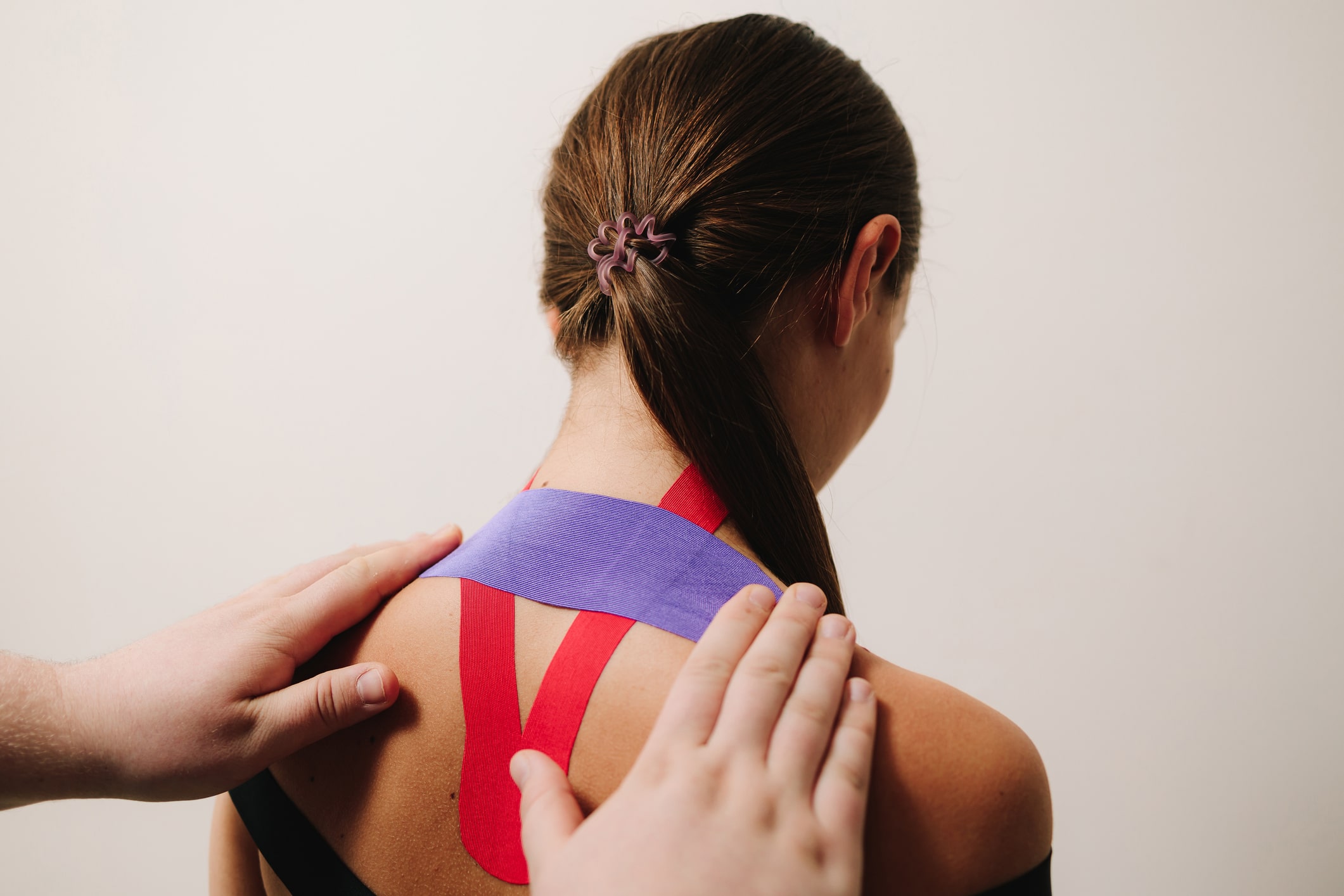
The brands distributed by Dunbar Medical include Bio Skin, Mueller Sports Medicine, McDavid, Kinesio, LP Support and many others. Many of these products — from orthopedic braces and supports to compression gear and therapeutic tools — play a direct role in athletic injury rehabilitation, helping clinicians guide athletes from injury back to full performance.
To learn more about the range of sports medicine products carried by Dunbar Medical, please call 1-800-265-7126, visit https://dunbarmedical.com or email sales@dunbarmedical.com.