Peroneal Tendonitis Treatment: 5 Rehab Steps And Ankle Bracing For Runners
Pain along the outside of the ankle in a runner is often put down to an old sprain, but peroneal tendonitis is a frequent cause. It develops gradually, tends to flare as mileage climbs, and can linger for months if it is not managed well. This article is written for the athletic therapists, physiotherapists and running coaches who see it. It covers how peroneal tendonitis presents, peroneal tendonitis treatment in five practical steps, and how to choose an ankle brace for running while the tendons recover.
What Is Peroneal Tendonitis?
The two peroneal (fibularis) tendons run down the outside of the lower leg, curve behind the bony bump on the outside of the ankle, and attach to the foot. They turn the foot outwards and steady the ankle against rolling in. Peroneal tendonitis, or peroneal tendinopathy, is irritation of these tendons from more load than they can handle.
Common contributing factors include:
- A sudden increase in running distance, speed or hills
- Running on cambered roads or uneven trails
- A high-arched foot or a foot that tends to roll outwards
- Lingering ankle instability after previous sprains
- Weak or poorly conditioned calf and ankle muscles
Signs and Symptoms
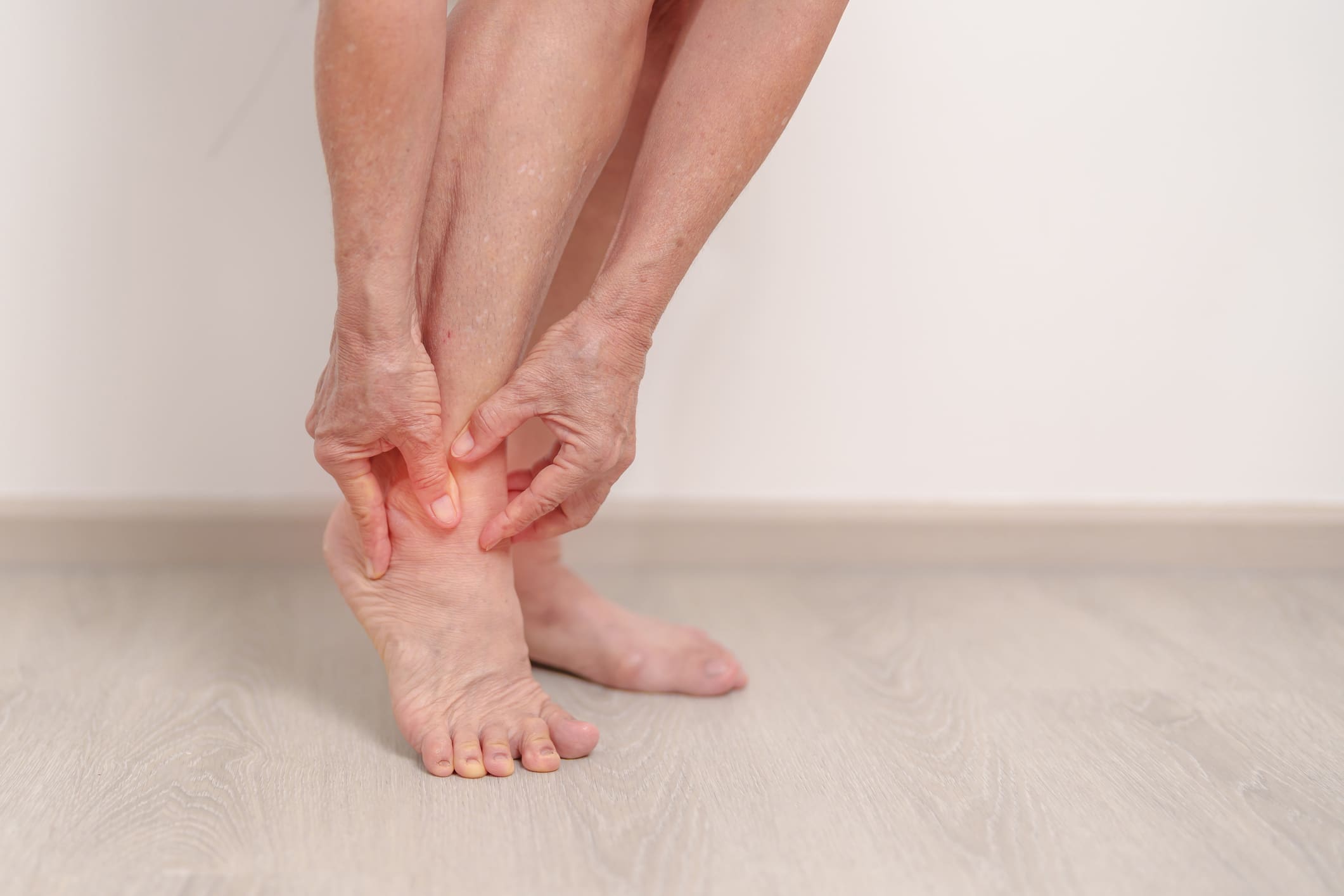
- Pain and sometimes swelling behind or below the outer ankle bone
- Pain that builds during a run or is worse the next morning
- Tenderness along the tendons and pain when turning the foot outwards against resistance
- A feeling of weakness or instability on uneven ground
Similar pain can come from a lateral ankle sprain, a tendon tear, the tendons slipping out of their groove, or a stress fracture of the outer foot. If symptoms don’t settle, there is snapping around the ankle bone, or there is marked weakness, refer for imaging such as ultrasound or MRI.
Peroneal Tendonitis Treatment: 5 Steps
As with other tendon problems, the aim of peroneal tendonitis treatment is to calm the tendon down and then rebuild its capacity, rather than rest it completely. FootCareMD from the American Orthopaedic Foot & Ankle Society notes that most cases improve with non-surgical care.
1. Settle the tendon
Reduce running volume, hills and cambered surfaces to a level that doesn’t provoke pain, and keep fitness up with cycling or swimming. Cold packs after activity and a compression ankle sleeve can help with swelling and comfort.

2. Rebuild strength
Strengthening is the core of rehab. Eversion exercises with a resistance band start the work, followed by calf raises and single-leg exercises as pain allows. Load is increased over several weeks.
3. Restore balance and control
Balance work on one leg, progressing to unstable surfaces, rebuilds the ankle’s control and is especially important after previous sprains. Our article on proprioception explains why it matters.
4. Address the foot and the shoe
Check footwear for wear and stability. If foot posture contributes, an orthotic assessment may help reduce strain on the tendons.

5. Return to running gradually
Start with short, easy runs on flat, predictable surfaces such as a track or treadmill, then add distance before speed or hills. Mild discomfort that settles within a day is usually acceptable; pain that builds from run to run means the progression is too fast.
Choosing an Ankle Brace for Running with Peroneal Tendonitis
An ankle brace can’t repair the tendons, but it can reduce the strain on them by limiting the rolling movements they work to control. The right ankle brace for running depends on how irritable the tendon is and how unstable the ankle feels:
- Compression sleeves for mild symptoms and swelling, where comfort and warmth are the main goals.
- Lace-up ankle braces and braces with stabilizing straps for runners whose ankle also feels unstable, especially on trails. They fit inside most running shoes.
- Stirrup braces for more irritable cases, or during the early weeks when walking is painful. They are generally too rigid for running.
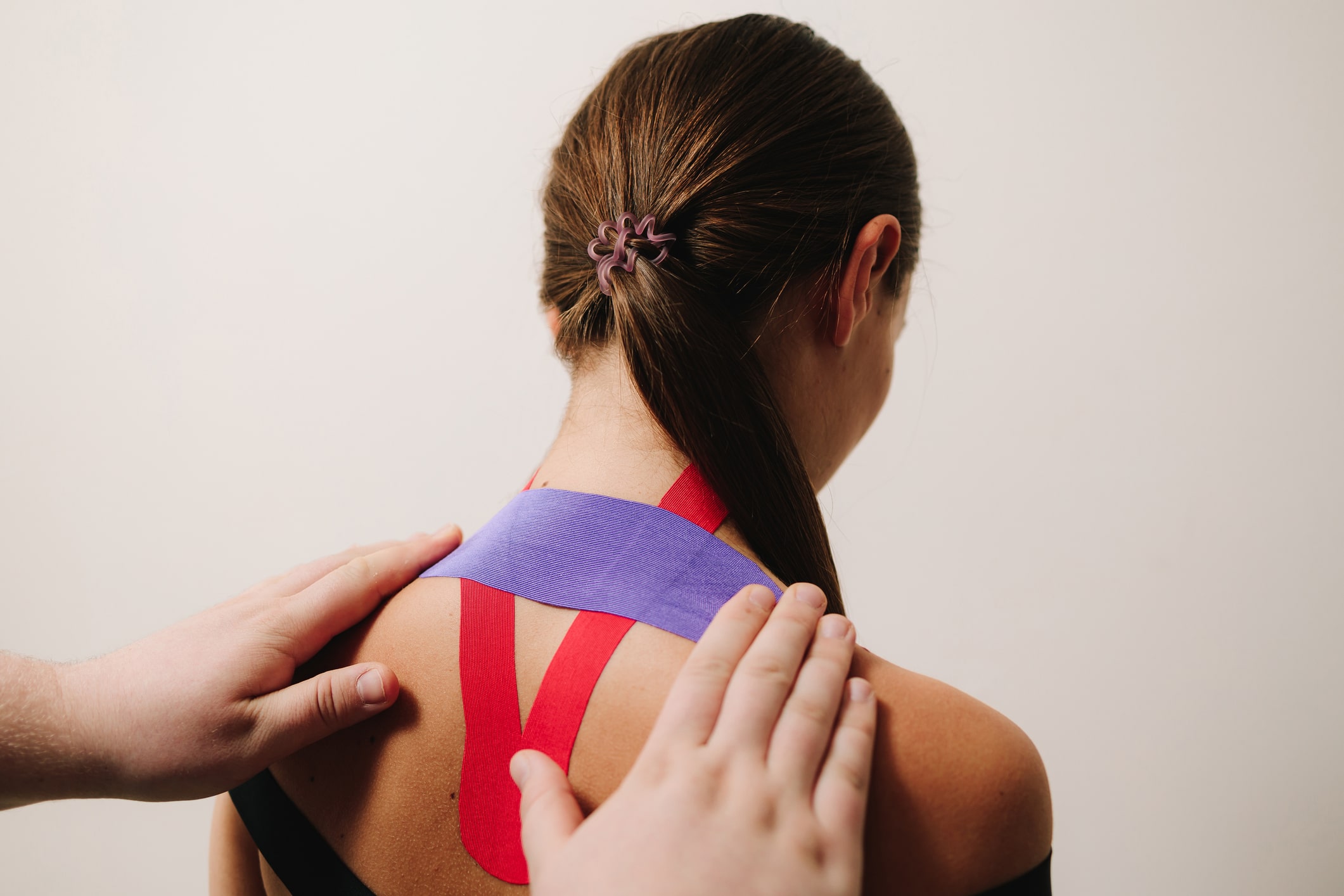
- Athletic tape as an alternative for runners who prefer it, applied by someone trained in ankle taping.
As strength and control return, most runners can step down from a brace to a sleeve or tape, and then go without. For a broader look at ankle braces through recovery, see our article on the stages of ankle sprain recovery, or browse our full range of ankle braces.
Frequently Asked Questions
What is the best peroneal tendonitis treatment?
Reducing aggravating load, progressive strengthening, balance training, checking footwear and a gradual return to running work for most runners.
How long does peroneal tendonitis take to heal?
Mild cases often settle within a few weeks, while longer-standing cases can take several months of rehab.
Should I wear an ankle brace for peroneal tendonitis?
A brace or compression sleeve can make running more comfortable and support the ankle while the tendons recover, alongside a strengthening program.
When should peroneal tendonitis be investigated further?
If pain does not settle, there is snapping around the ankle bone or marked weakness, imaging such as ultrasound or MRI may be needed.
About Dunbar Medical
Dunbar Medical is a supplier of sports medicine and home health care products to pharmacies, physiotherapists and other clinics, and sports teams throughout Canada. The company distributes leading brands in sports medicine through its national sales team and is known for its expertise in the field and its high level of customer service and support.
For clinicians treating runners with peroneal tendonitis, Dunbar Medical carries ankle braces, sleeves, tape and rehab products from brands such as BioSkin, Mueller Sports Medicine, McDavid and LP Support.
To learn more, please call 1-800-265-7126, visit https://dunbarmedical.com or email sales@dunbarmedical.com.