Pickleball Injuries: The Most Common Injuries, Treatment And Prevention
Pickleball injuries are rising as the sport becomes one of the fastest-growing activities in Canada and the United States. Pickleball is easy to learn and popular with older adults, but its quick lateral movements, lunges and repetitive paddle strokes lead to sprains, strains, falls and overuse injuries, particularly in players who are new to racquet sports.
This guide covers the most common pickleball injuries, why they happen, how they are treated and how players can reduce their risk, along with the supports and equipment clinics use to help pickleball players stay on the court.
Why Pickleball Injuries Are Increasing

Pickleball participation has grown rapidly, especially among adults aged 50 and over. A study of pickleball-related injuries treated in emergency departments found that most injuries occurred in players aged 60 and older, with sprains, strains and fractures from falls among the most common. Many players take up the sport after years of inactivity, which increases the risk of injury.
Most Common Pickleball Injuries
- Ankle sprains: from quick side-to-side movements and stepping awkwardly. See our guide to the lateral ankle sprain.
- Knee injuries: meniscus tears, ligament sprains and flare-ups of knee osteoarthritis.
- Calf and Achilles strains: from sudden pushes off the back foot.
- Elbow tendinopathy: often called “pickleball elbow”, similar to tennis elbow, from repetitive paddle strokes.
- Shoulder strains and rotator cuff irritation from overhead shots.
- Wrist sprains and fractures from falling onto an outstretched hand.
- Lower back strains from bending and twisting.
Treating Pickleball Injuries

Most pickleball injuries are soft tissue injuries that respond well to early care and rehabilitation:
- Early care: protection, compression and elevation, following the PEACE and LOVE approach, with cold packs such as the Mueller Kold Instant Cold Pack for pain.
- Assessment: falls with wrist pain, inability to bear weight or a pop in the calf should be assessed for fractures or tendon ruptures.
- Rehabilitation: strengthening and balance exercises with TheraBand Resistance Bands and the Airex Balance Pad.
- Gradual return: shorter sessions and doubles play before returning to full games. See our guide to return to play.
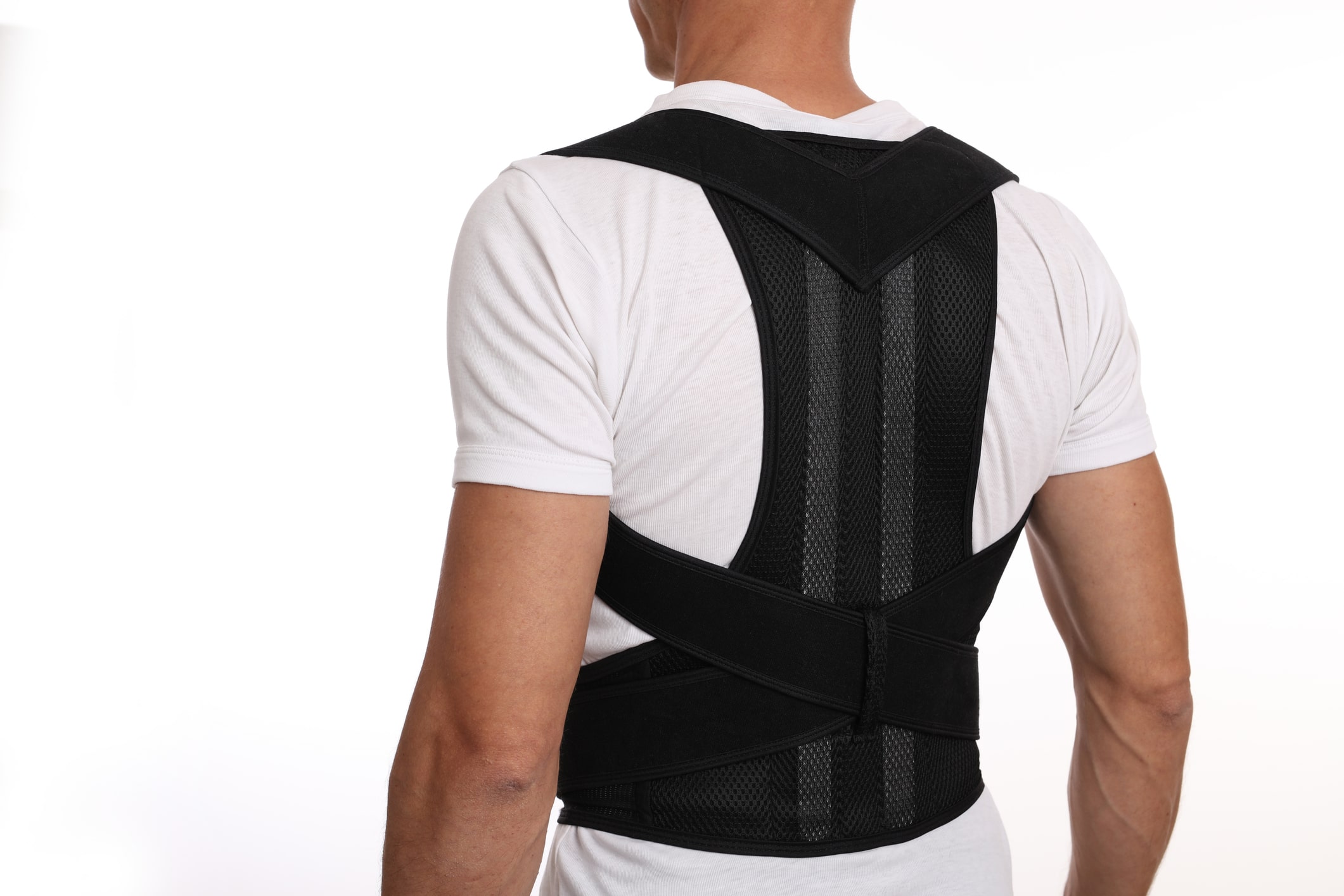
Braces And Supports For Pickleball Players
- Ankle braces: for players with previous sprains, such as the Mueller ATF 3 Ankle Brace and Mueller The ONE Ankle Brace.
- Knee supports: the McDavid Hyperblend Knee Sleeve, Mueller HG80 Premium Knee Brace and Cho-Pat Patellar Strap.
- Elbow straps and sleeves: for pickleball elbow, the BandIT XM, Mueller Tennis Elbow Support With Gel Pad and Mueller OmniForce Elbow Support E-700.
- Wrist supports: the Mueller Adjustable Wrist Support.
- Compression sleeves: such as McDavid Compression Calf Sleeves for calf support.
Preventing Pickleball Injuries

- Warm up for five to ten minutes before playing, including dynamic stretches.
- Wear court shoes with good lateral support rather than running shoes.
- Build up playing time gradually, especially when new to the sport.
- Strengthen the legs, hips and core, and practise balance exercises.
- Avoid backpedalling for overhead shots; turn and move sideways instead.
- Stay hydrated and take breaks between games.
- Use a paddle with an appropriate grip size and weight.
Frequently Asked Questions
What are the most common pickleball injuries?
Ankle sprains, knee injuries, calf and Achilles strains, pickleball elbow, shoulder strains, and wrist injuries from falls.
Who is most at risk of pickleball injuries?
Older adults and players who are new to racquet sports or returning after a period of inactivity.
What is pickleball elbow?
Pickleball elbow is tendon irritation on the outside of the elbow, similar to tennis elbow, caused by repetitive paddle strokes.
How can I prevent pickleball injuries?
Warm up, wear court shoes, build up playing time gradually, strengthen your legs and core, and avoid backpedalling.
Supporting Clinics That Treat Pickleball Players
Dunbar Medical supplies physiotherapy clinics, athletic therapists and pharmacies across Canada with braces, supports, tape and rehabilitation equipment for racquet sport injuries. Please contact our team for product advice.
Conclusion
Pickleball injuries are becoming more common as the sport grows, especially among older players. Most can be prevented with a good warm-up, proper footwear and gradual progression, and treated effectively with early care, rehabilitation and the right supports.