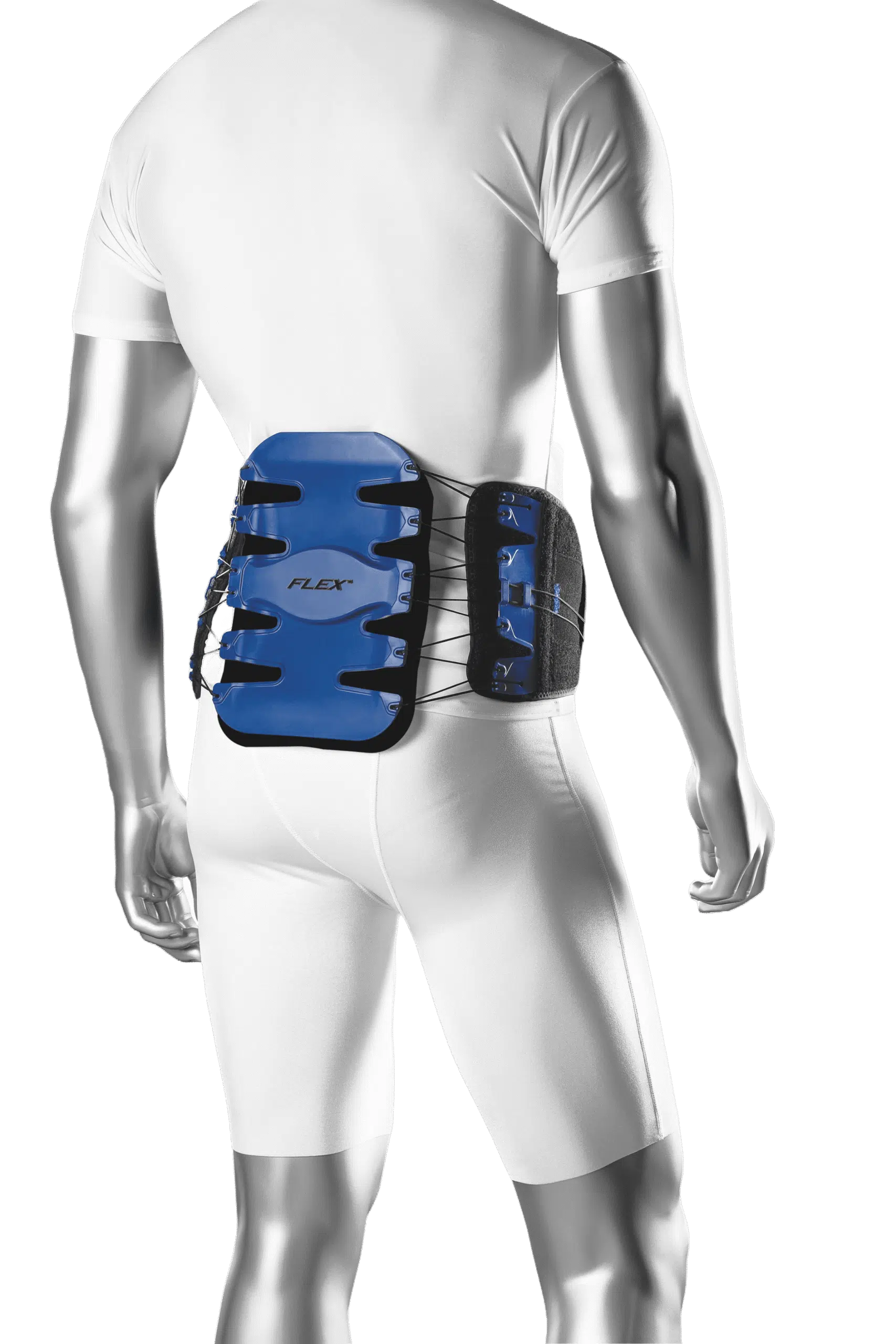
Back Brace For Lifting: Does It Help, And How To Choose One
A back brace for lifting is one of the most common supports seen in gyms, warehouses and home workshops. Worn correctly, a lifting back brace can give the lower back extra support, remind the wearer to keep a neutral spine and make lifting more comfortable for people recovering from back pain. It is not, however, a substitute for good technique, sensible loads and a strong core.
This guide explains how a back brace for lifting works, what the evidence says, when one is most useful and how to choose the right back support for gym training, sport and everyday lifting.
How A Back Brace For Lifting Works

Back braces and belts wrap around the lower back and abdomen. They are thought to help in several ways:
- Increasing abdominal pressure: bracing against the belt raises pressure inside the abdomen, which helps stiffen the trunk during heavy lifts.
- Limiting extreme movement: a firm brace restricts excessive bending and twisting of the lower back.
- Postural feedback: the feel of the brace reminds the wearer to keep the back straight and lift with the legs.
- Warmth and compression: many people find the compression comfortable when returning to activity after back pain.
What The Evidence Says
Research on back belts has produced mixed results. A review by the US National Institute for Occupational Safety and Health (NIOSH) did not find enough evidence to recommend back belts for preventing injury in uninjured workers, and Harvard Health notes that belts do not replace the need to lift correctly. Some people also lift heavier loads because they feel more secure, which can increase risk.
A back brace for lifting is therefore best seen as one part of a broader approach that includes good technique, appropriate loads, core strengthening and rest, rather than a guarantee against injury. People with a history of back pain, high blood pressure or heart problems should speak to a clinician before using a tight lifting belt.
Lifting In The Gym And In Sport

Most back injuries in the gym come from poor form, fatigue or doing too much too soon. Common situations include:
- Deadlifts and squats: rounding the lower back under heavy load is a frequent cause of strains. Many lifters wear a brace only for their heaviest sets.
- Overhead pressing: arching the lower back to finish a lift places stress on the lumbar spine.
- Rotational sports: golf, hockey, baseball and tennis involve repeated twisting, and some players with previous back pain wear a flexible support during play.
- Contact and collision: awkward landings and tackles can strain the back muscles.
For more on supporting athletes, see our article on the benefits of back braces for athletes.
Lifting At Home And At Work
Moving furniture, carrying building materials, gardening and other DIY projects are common causes of back strain, particularly for people who are not used to heavy lifting. Workers who lift throughout the day have different needs from gym users, with more emphasis on all-day comfort; see our guide to choosing a back brace for work.
Choosing A Back Brace For Lifting

The right back support depends on the activity and how long it will be worn:
- Industrial supports with suspenders stay in position during repeated lifting and can be loosened between lifts, such as the LP Industrial Back Support and Mueller Back Support with Suspenders.
- Adjustable back braces with dual straps let the wearer increase compression for heavy lifts, such as the Mueller Adjustable Back Brace, Mueller Adjustable Back Brace with Removable Lumbar Support and LP X-Tremus Back Support.
- Low-profile braces for sport that allow more movement, such as the McDavid Back Stabilizer and BioSkin Back Skin.
- Lumbar braces with rigid support for people recovering from back pain, such as the LP Sacro Lumbar Support and BioSkin Back Plus.
Browse our full range of back braces and supports.
Other Everyday Back Supports
Not all back supports are for lifting. Desk workers with rounded shoulders may prefer a posture brace such as the Mueller Adjustable Posture Corrector, combined with exercises for posture correction. During pregnancy, a maternity or sacroiliac belt such as the Sacroiliac Belt or It’s You Babe Mini Cradle can ease pelvic and lower back discomfort.
Tips For Safer Lifting
- Warm up before heavy lifting.
- Keep the load close to the body and the back in a neutral position.
- Bend at the hips and knees and lift with the legs.
- Avoid twisting while lifting; turn with the feet instead.
- Increase weight gradually and stop when technique breaks down.
- Strengthen the core and hip muscles outside of lifting sessions.
Frequently Asked Questions
Does a back brace help with lifting?
A back brace can add support and make lifting more comfortable, but research on preventing injury is mixed. It works best alongside good technique and core strength.
Should I wear a back brace all the time?
Most people wear a lifting brace only during heavy lifts or tasks. Wearing one all day may lead to reliance on the brace instead of the muscles.
What is the difference between a lifting belt and a back brace?
Weightlifting belts are rigid and mainly used to brace against during heavy lifts, while back braces usually provide broader support and compression for work, sport and recovery.
Can a back brace help after a back strain?
A brace can make movement more comfortable while a back strain heals, alongside advice and exercises from a clinician.
Back Supports For Clinics And Retailers
Dunbar Medical supplies physiotherapy clinics, pharmacies, athletic therapists and sports teams across Canada with back braces from Mueller, McDavid, LP Support and BioSkin. Please contact our team for product advice.
Conclusion
A back brace for lifting can offer support, comfort and a useful reminder to lift correctly, particularly for people returning to lifting after back pain. Choose a brace that suits the activity, use it for the heaviest work, and combine it with good technique and core training.