You may be understandably looking to reduce the likelihood of experiencing neck pain. If so, we shall also mention some ways to achieve this.
We should mention at the outset that this type of pain can have serious underlying causes. You may have this type of pain together with numbness or reduced strength in your arms or hands. If so, you should seek medical advice right away.
Similarly, the pain may radiate from your neck down your shoulder or arms. This could be indicative of a serious problem that demands urgent medical attention.
Possible Causes Of Neck Pain
Neck Muscle Strains
Individuals who have poor posture can subject their neck muscles to excessive stress over extended periods. Postural problems include “hunching” over computers or tablet devices with a curved cervical spine. This is the portion of the spine just below the neck.
Other examples include reading in bed (which also tends to force upper back curvature). Others can be sleeping with bad posture or carrying unbalanced loads. Even grinding teeth (as many do during times of stress or annoyance, or sometimes during sleep) can stress neck muscles.
The result of excess stress on these muscles can be overuse injuries such as muscle strains. Sometimes, bad posture causes muscle spasm and this can lead to pain.
Joint Wear & Tear
Another possible result of poor posture as described above is wear and tear on the neck joint.
This can manifest itself as osteoarthritis of the neck in which the cartilage between upper back vertebrae wears away. This causes the vertebrae to come into direct contact with each other. The result can be pain and stiffness in the neck and upper back.
Nerve Compression
One possible complication of neck osteoarthritis is bone spurs (osteophytes) in the vertebrae of the cervical spine. Another possible complication is disc prolapse. These bone spurs or the prolapsed (herniated) disc can then press on the nerve roots adjacent to the spine. The result can be chronic neck pain.
Additionally, numbness or weakness can result, radiating from the neck down to the shoulder or even along the arms.
Nerve compression is a relatively common problem among those afflicted by a herniated disc or spinal stenosis.
Accidental Injuries
Motor car accidents frequently lead to whiplash injuries. These are injuries to neck muscles and ligaments that occur when the head is violently jerked backwards and then forwards. Whiplash injuries are a major cause of neck pain. The injured soft tissues can take months to heal.
Disease
Neck pain can also be the result of diseases such as meningitis. This is inflammation of the membranes protecting the brain or spinal cord. In meningitis, the pain often manifests itself as stiffness. A malignant tumour is another potential disease-related cause. Often, this tumour is a secondary one that has spread from a primary tumour located elsewhere.
These are obviously among the most serious of the potential causes of neck pain. They both demand immediate medical attention.
Other causes of neck pain include inflammatory conditions like ankylosing spondylitis or rheumatoid arthritis as well as myeloma or tuberculosis. In these conditions, however, in addition to the neck pain other bones and joints of the body are painful as well.
Treating Neck Pain
Pain Relief
Neck pain due to muscle strains can be easily treated by home care measures. These include rest and use of over the counter pain killers. Complete rest should not be for longer than a day or so. In addition, the neck should be gently exercised as soon as can be tolerated.
For a severe strain, a doctor may prescribe a muscle relaxant like diazepam. This can provide additional pain relief if the neck muscles are very tense.
Pain relief can also be effected via use of various physiotherapeutic interventions like a TENS machine or traction therapy. Moist heat therapy, cold, manipulation and specific neck exercises recommended by the physiotherapist are other viable options.
Neck Or Upper Back Supports
A neck collar that restricts head movement can also help ease pain. However, this should be worn for no more than about 3 hours per day for a week or two. Excessive use can weaken neck muscles and increase the risk of another strain in the future.
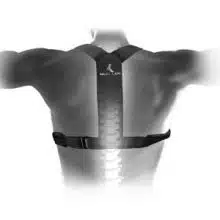
Upper back braces (or posture braces) can be worn to help keep the upper back straight. Over time, these devices can help the affected individual to develop good postural habits that will avoid neck pain.
Physical Therapy
To correct the underlying cause of the neck muscle strain, a physical therapist can devise an exercise program to improve posture. These exercises will help to maintain a straight upper back. This is a big step to avoiding upper back and neck pain. Additional exercises can be used to strengthen neck muscles and avoid another strain.
Physical therapy will also be an important component of the treatment of nerve compression due to a herniated disc. Osteoarthritic pain can also be significantly reduced by physical therapy.
However, it must be emphasized that there is no fundamental cure for neck (or other types of) osteoarthritis. The condition can only be managed to slow the rate of progress or preserve joint function as much as possible.
Steroid Injections
Moving slightly away from non-invasive treatment methods, doctors can inject corticosteroids into nerve roots adjacent to the spinal column.
Neck muscles can also be injected with steroids or numbing medications to ease pain.
Steroid injections to relieve neck pain do not always work. When they do, the duration of the pain relief varies between several days to a few months or a bit longer.
Surgery
This invasive approach to treating neck pain can be successfully employed to treat nerve compression or spinal compression injuries. Various procedures can be performed. However, most of them are done to relieve compression of nerves causing or contributing to the patient’s symptoms.
Avoiding Neck Pain
Neck pain is extremely unpleasant. Those wishing to avoid it can consider the following strategies:
- Try to maintain proper posture at all times;
- Maintain good posture also while sleeping. Keep the head and neck aligned with the rest of the body. Do not use a pillow that is too thick. Sleep on your back as much as possible. Consider using pillows under the thighs in order to keep the spine muscles flat.
- Change position frequently and do not maintain unnatural positions for too long;
- If you work a lot with computers, keep the monitor at eye level. Seating position is also important - keep the knees slightly lower than the hips and use the chair’s armrests.
- Avoid smoking;
- Do not carry heavy bags or other loads with over the shoulder straps. This can strain neck muscles;