Fabtrac Overdoor Cervical Traction Unit
The Fabtrac Overdoor Cervical Traction features a two-pulley system & provides smooth, adjustable tension for a gradual and comfortable treatment experience.

Dunbar Medical supplies traction therapy equipment to physiotherapy and chiropractic clinics across Canada. We carry the Chattanooga Galaxy TTET300 traction table and TX traction motor, Saunders cervical and home traction units, the Pronex cervical traction device, Fabtrac over-door cervical traction and the DynaPro Health inflatable neck traction collar.
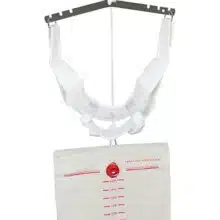
The Fabtrac Overdoor Cervical Traction features a two-pulley system & provides smooth, adjustable tension for a gradual and comfortable treatment experience.

The Galaxy TTET300 traction table is designed to provide effective and efficient spinal traction treatment. For use by Healthcare Professionals only.

The DynaPro Health Inflatable Neck Traction Collar works by gently stretching the neck, alleviating pressure on the spine and nerves, promoting better posture, and helping to reduce discomfort caused by various neck-related conditions. Comes with a convenient and easily operable hand pump that allows the user to inflate the collar to achieve the desired level of support.
One Size Fits All.
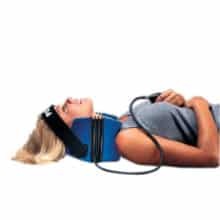
Discover the key to safe, effective, patient-controlled neck pain relief, courtesy of the Pronex Cervical Traction Device.

The Saunders traction unit offers a solution to those looking to use traction therapy to relieve TMJ compression at home.

Discover how the Saunders Home Traction Unit is designed to provide a safe, non-invasive alternative to surgery for eligible patients suffering from low back pain.

Chatttanooga’s TX traction motor unit offers 3 traction modes as well as the ability to set user defined hold, rest and treatment times. For use by Healthcare Professionals only.
Traction therapy is a modality in which mechanical force, from a motorized unit or a manual or home device, is applied to the spine in order to separate the vertebrae. It is a form of nonsurgical spinal decompression therapy that is aimed at relieving intradiscal pressure and easing back and neck pain.
Traction therapy can be applied to either the neck (cervical traction) or to the lower back (lumbar traction).
Spinal traction has been used to treat back problems since ancient times.
Today you can receive this type of therapy from physical therapists that have been trained in its application. It is also available from chiropractors as well as physicians who have received appropriate training.
Traction equipment is used to apply the forces used in traction therapy. This equipment usually consists of a traction motor unit, together with ropes and pulleys.
Equipment used for traction therapy falls into two broad categories:
As always, we advise you not to treat the contents of this article as professional medical advice. If you are considering undergoing traction therapy, whether at home or in a clinic, we suggest that you first discuss this decision with your primary medical advisor(s).
There are different types of traction therapy based on the nature of the force that stretches the spine.
In some cases, the traction is intermittent, i.e. it cycles between traction and relaxation using intervals that are a few minutes long.
Sustained traction involves a continuous and constant force that is maintained for between 20 and 60 minutes.
Finally, continuous traction involves a force that is maintained for several hours or even for days at a time.
Traction therapy can also be categorized according to the directions of the forces applied:
The goal of spinal traction therapy is to gently stretch the spine. Traction therapists hope that this stretching will reduce pressure between the discs of the spine.
If your pain is caused by a herniated disc, the idea is that this may reduce pressure on the nearby nerve roots. Research results on traction are mixed, and it is usually combined with exercise and other treatment.
Spinal decompression therapy may be used in conjunction with other modalities such as electrical muscle stimulation, ultrasound and hot/cold therapy. Your physical therapist will use his/her training and experience to decide on the combination of therapies best suited to treat your particular condition.
Spinal decompression therapy plays a key role in physical therapy used to treat a wide variety of back and spinal cord problems. These include:
Spinal traction is generally felt to be a safe procedure for treating pain in the neck or cervical spine area. However, its use may be contraindicated for certain individuals:
In addition to the above, individuals who are pregnant should exercise caution ( and seek medical advice) before embarking on a course of traction therapy. This also applies to individuals who have suffered from abdominal or other types of hernias or those who have experienced aortic aneurysms.
A clinic traction setup combines a split traction table such as the Galaxy TTET300 with a motorized unit such as the TX traction motor, which controls the pull, hold and rest times precisely. Home units such as the Saunders cervical and home traction devices, the Pronex and over-door traction let patients continue between visits once a clinician has set the force and shown them how to use it. Flexion stools support the legs during lumbar traction. See also therapy stools, treatment tables and neck braces.