

Nitrile vs Vinyl Gloves vs Latex: 7 Key Differences For Choosing Exam Gloves
Medical exam gloves are a staple in every clinic, care home and athletic therapy kit, but choosing between them is not always simple. The nitrile vs vinyl gloves decision, and whether latex is still worth considering, comes down to protection, fit, allergy risk and cost.
Below we compare nitrile, vinyl and latex exam gloves side by side, answer common questions such as “are nitrile gloves latex free?”, and explain how to choose the right thickness and size for your clinic.
Nitrile vs Vinyl vs Latex Gloves At A Glance
| Nitrile | Vinyl | Latex | |
|---|---|---|---|
| Material | Synthetic rubber | PVC (plastic) | Natural rubber |
| Puncture resistance | Excellent | Low | Good |
| Fit and feel | Snug, good sensitivity | Loose | Very snug, best sensitivity |
| Chemical resistance | Good | Limited | Moderate |
| Latex allergy risk | None | None | Yes |
| Cost | Moderate | Lowest | Moderate |
| Best for | Patient care, first aid, bodily fluids, chemicals | Short, low-risk tasks | Settings with no latex allergy concerns |
What Are Nitrile Gloves?

Nitrile is a synthetic rubber. Nitrile gloves stretch and fit closely like latex, but they are three to five times more puncture resistant and stand up better to many chemicals and oils. For most clinics and athletic therapists, nitrile has become the default exam glove. Options include Noah Hands 3.0 powder-free nitrile gloves and Tuff nitrile exam gloves.
Nitrile vs Vinyl Gloves
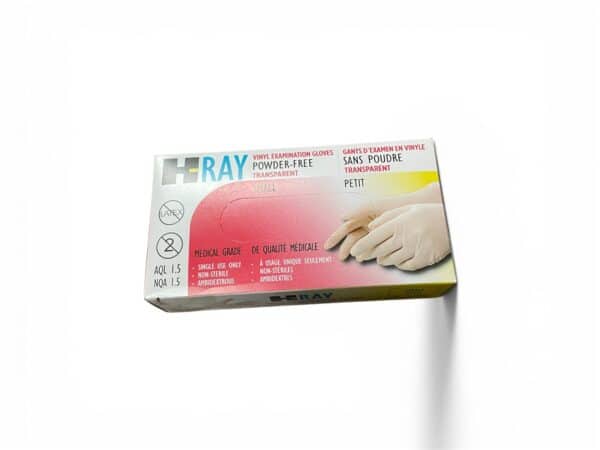
Vinyl gloves are made from PVC. They are the most economical option and contain no latex, but the material is less elastic, so the fit is looser and the gloves tear and puncture more easily. That makes vinyl a good choice for short, low-risk tasks such as cleaning, light housekeeping or handing out supplies, where gloves are changed often.
When comparing nitrile vs vinyl gloves for patient care, wound care, first aid or any contact with blood and bodily fluids, nitrile is the safer choice. If you want a middle ground, hybrid vinyl/nitrile gloves such as Tuff HyTuff vinyl/nitrile exam gloves offer more stretch than vinyl at a lower cost than nitrile. For economical vinyl gloves, see HRay vinyl medical examination gloves.
Nitrile vs Latex Gloves
Latex gloves offer excellent elasticity, comfort and touch sensitivity, and they were the standard exam glove for decades. The drawback is latex allergy, which can affect both staff and patients and ranges from skin irritation to serious reactions. Because nitrile offers similar fit and better puncture resistance with no latex risk, many clinics, hospitals and care homes have switched to nitrile entirely. The American College of Allergy, Asthma and Immunology has more information on latex allergy.
Are Nitrile Gloves Latex Free?
Yes. Nitrile gloves are made from synthetic rubber and contain no natural rubber latex, so they are a safe choice for people with a latex allergy. Vinyl gloves are also latex free. If you or your patients have a latex allergy, choose nitrile gloves and check that other supplies, such as tapes and bandages, are latex free too.
Powdered Or Powder-Free?
Powder makes gloves easier to put on, but it can irritate skin, carry latex proteins into the air and contaminate wounds. Powder-free gloves are now the standard for medical use, and powdered surgical gloves are no longer used in most healthcare settings.
Glove Thickness
Exam glove thickness is measured in mils (thousandths of an inch). Gloves of 3 to 4 mil give the best sensitivity for routine exams and patient care, while 5 to 8 mil gloves offer more durability for cleaning, handling chemicals or heavier tasks. Thicker gloves reduce dexterity, so match the thickness to the job. Whichever side of the nitrile vs vinyl gloves choice you land on, thickness affects durability as much as material does.
Choosing The Right Glove Size
A good fit matters for both protection and comfort: gloves that are too tight tear easily, while loose gloves reduce dexterity. Measure around the widest part of your palm, below the knuckles, and compare it with the manufacturer’s size chart. The Noah Hands nitrile gloves product page includes a full size chart.
Can You Wash Or Reuse Disposable Gloves?
No. Disposable exam gloves are designed for single use. Washing or reusing them can create tiny holes, weaken the material and spread contamination, which defeats the purpose of wearing gloves. Change gloves between patients, whenever they are torn or contaminated, and wash or sanitize your hands after removing them. A wall or belt glove dispenser keeps fresh gloves within easy reach.
Which Exam Gloves Should You Choose?
In the nitrile vs vinyl gloves debate, nitrile wins for most clinical work. For most clinics, athletic therapists and care settings, powder-free nitrile gloves give the best balance of protection, comfort and allergy safety. Vinyl is a cost-effective choice for short, low-risk tasks, and latex is best reserved for settings with no latex allergy concerns. Browse our full range of nitrile and vinyl exam gloves to stock your clinic.


The demand for examination gloves will increase owing to the rising demand for healthcare services worldwide.