Patellar Tendonitis Physical Therapy Treatment: 5 Proven Rehab Steps, Straps And Taping
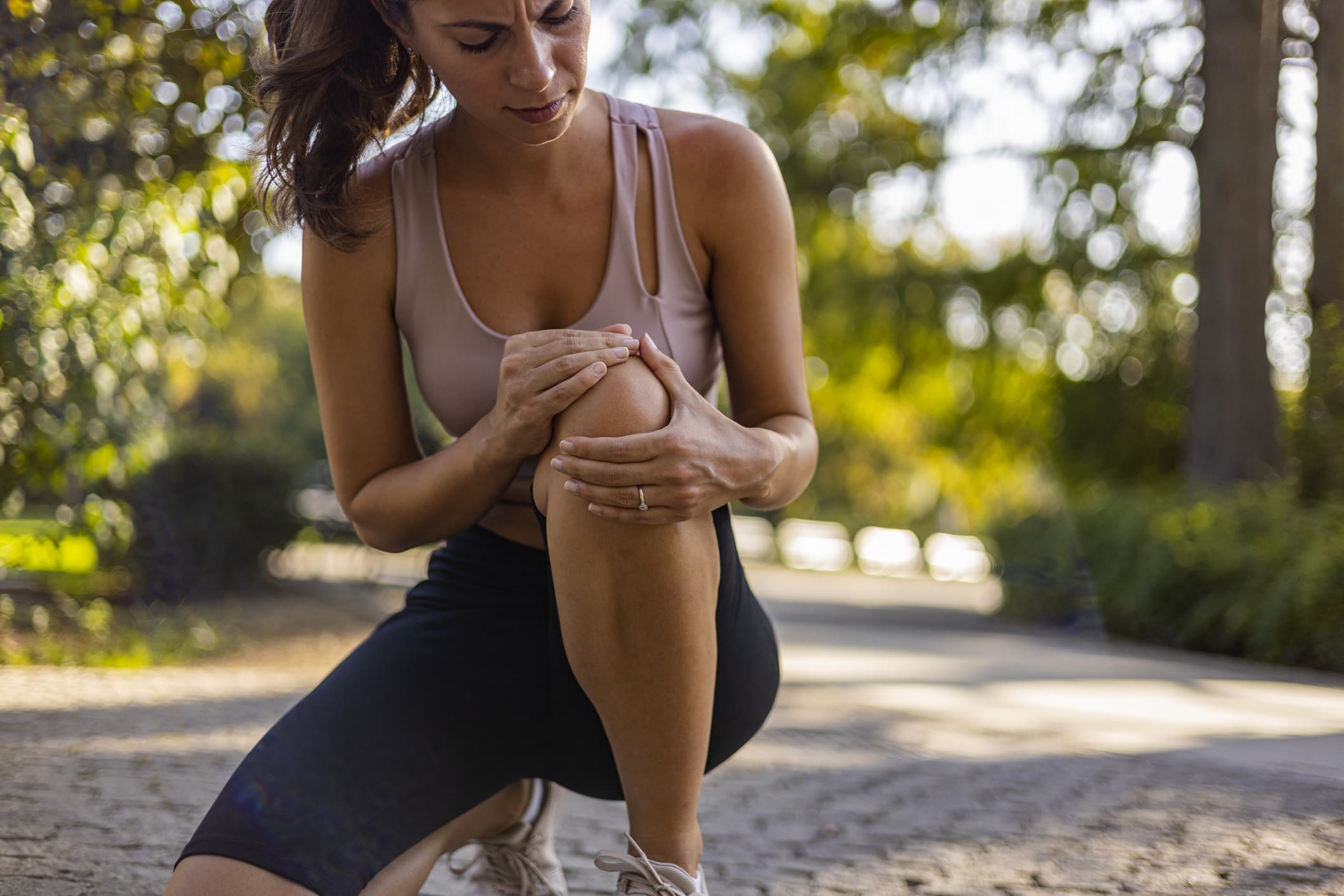
Patellar tendonitis, better known as jumper’s knee, is one of the most common reasons basketball players end up on the trainer’s table. Every jump, landing and hard cut loads the patellar tendon, the band that joins the kneecap to the shin bone. When that load rises faster than the tendon can adapt, it becomes painful and irritable. This article is written for the athletic therapists, physiotherapists and team trainers who look after these players. It covers how patellar tendonitis presents, patellar tendonitis physical therapy treatment, and where knee straps, sleeves and tape fit in.
What Is Patellar Tendonitis?
Clinicians increasingly call it patellar tendinopathy, because the problem is mostly a failure of the tendon to cope with load rather than classic inflammation. It is most common in sports with repeated jumping and landing, such as basketball and volleyball, and in players who have recently increased training, games or plyometric work.
Typical signs include:
- Pain at the bottom edge of the kneecap, usually well localised and easy for the player to point to
- Pain that warms up and eases during activity, then returns afterwards or the next morning
- Pain with jumping, landing, squatting, stairs or sitting for a long time with the knee bent
- Tenderness when the tendon is pressed just below the kneecap
Other causes of front-of-knee pain, such as patellofemoral pain, fat pad irritation or, in growing players, Sinding-Larsen-Johansson syndrome, can look similar. A clinical assessment should come before a treatment plan.
Patellar Tendonitis Physical Therapy Treatment
Complete rest rarely solves the problem: the tendon loses capacity, and pain comes back when the player returns. Patellar tendonitis physical therapy treatment therefore focuses on managing load and then rebuilding the tendon’s capacity in stages, as summarised by Physiopedia:
- Load management. Reduce the volume of jumping and sprinting that provokes pain, while keeping the player training in other ways. Pain during and after loading is used as a guide.
- Isometric exercise. Sustained holds such as wall sits or Spanish squats can ease pain in the short term and start loading the tendon.
- Heavy, slow strength work. Progressive leg press, squat and split squat variations rebuild tendon and muscle strength over several weeks. Resistance bands help with hip and quad work in the early stages.
- Return to jumping. Plyometrics, change of direction and finally full practice are reintroduced gradually once strength has improved.
- Symptom relief. Ice packs after sessions can settle pain, alongside the loading program rather than instead of it.
Recovery is often measured in weeks to months, so setting expectations early helps with compliance.
Patellar Tendonitis Straps, Sleeves and Tape
Braces and tape do not heal the tendon, but they can make loading more comfortable and help keep a player on the court while the rehab program does its work.
Knee straps
A knee strap, also called a patellar tendon strap or jumper’s knee strap, sits just below the kneecap. It applies pressure over the tendon, and many players report less pain when jumping and landing. Straps are light, fit under a uniform and are inexpensive, which makes them the usual first choice for patellar tendonitis. The Cho-Pat Patellar Strap and the McDavid Knee Strap / Patella are well-known examples. Results vary between players, so treat a strap as a trial: if it doesn’t reduce pain during play, it isn’t needed.
Knee sleeves
A knee sleeve provides compression and warmth around the whole joint. Some players with patellar tendonitis prefer the feel of a sleeve, and it suits players with more general knee soreness. Sleeves are not aimed at the tendon in the way a strap is.
Kinesiology tape
Kinesiology tape, such as DynaPro Kinesiology RestoreTape, applied around or below the kneecap is another option for players who dislike straps. As with straps, the effect is mainly on comfort, and it varies between individuals.
Other Knee Braces for Basketball

Not every basketball knee problem is patellar tendonitis, and the right knee brace for basketball depends on the diagnosis:
- Hinged knee braces give the most stability. They are used after ACL, MCL or PCL injuries and during the return to play after ligament surgery. They are bulkier, so they are not used for tendon pain. See our hinged knee braces.
- Wraparound braces and knee stabilizers suit mild to moderate instability and are easy to put on and adjust courtside.
- Patella stabilizers are for kneecap tracking problems and subluxation, not tendon pain.
For more on knee pain and which support suits which condition, see why does my knee hurt, and for taping the knee, see kinesiology tape for knee. For players looking for products to buy for personal use, Remain in the Game has a guide to basketball injuries and how to treat them.
Related Knee Conditions

Patellar tendonitis is one of several overuse problems around the front of the knee. Browse our patellar tendonitis strap range for straps that offload the tendon, our knee tendonitis brace options for more general tendon irritation, and our Osgood-Schlatter strap range for young athletes with pain at the bump below the knee. Not sure which condition it is? Read why does my knee hurt.
Caring for Knee Straps and Braces
Wash straps and sleeves regularly according to the manufacturer’s instructions, let them air dry, and check the strap, Velcro and stitching for wear. Replace a strap that no longer holds its tension. For hinged braces, check the hinges and straps before each use.
Frequently Asked Questions
What does patellar tendonitis physical therapy treatment involve?
Load management, isometric exercise, heavy slow strength training and a gradual return to jumping, with straps, sleeves or tape used for comfort.
How long does patellar tendonitis take to heal?
Recovery is often measured in weeks to months, depending on how long symptoms have been present and how well the loading program is followed.
Do patellar tendon straps work?
Many players report less pain when jumping and landing with a strap, but results vary, so treat a strap as a trial.
Should basketball players rest with patellar tendonitis?
Complete rest is rarely recommended. Reducing the most painful activities while continuing a structured loading program usually works better.
About Dunbar Medical
Dunbar Medical is a supplier of sports medicine and home health care products to pharmacies, physiotherapists and other clinics, and sports teams throughout Canada. The company distributes leading brands in sports medicine and is known for its expertise in the field and its high level of customer service and support.
For clinicians and team trainers managing patellar tendonitis, Dunbar Medical carries knee straps, sleeves, tape and rehab products from brands such as BioSkin, Mueller Sports Medicine, McDavid and LP Support.
To learn more, please call 1-800-265-7126, visit https://dunbarmedical.com or email sales@dunbarmedical.com.