Plantar Fasciitis Braces: How they fit into Plantar Fasciitis Treatment Options
Plantar fasciitis is the type of menacing injury that afflicts nearly a quarter of a million people in Canada every year. It strikes fear into the hearts of athletes and non-athletic individuals alike. This is because it is an example of an overuse injury and doesn’t discriminate between the overuse suffered by a runner gobbling up long distances every day and that suffered by those who are on their feet all day, such as cashiers. A plantar fasciitis brace (or night splint) may be one solution to the problem, but we also discuss others below.
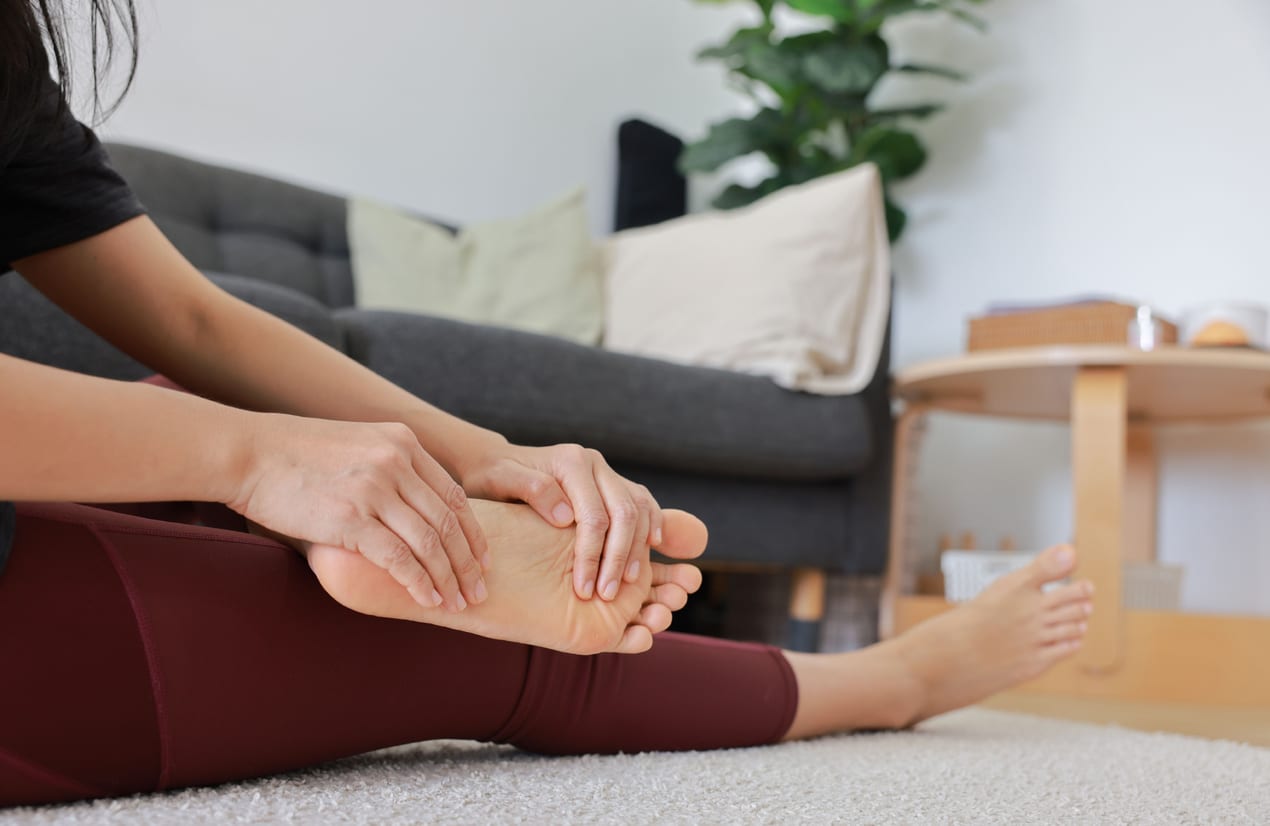
Plantar fasciitis causes foot arch pain and/or heel pain. Morning foot pain is a signature symptom. The main cause of these symptoms is an inflammation, thickening and/or degeneration of the plantar fascia.
Although the reasons why one may succumb to plantar fasciitis are many and varied, so are the treatments for this injury. Below are just a few of the most effective non invasive ways to treat plantar fasciitis and how they work.
Medication
Nonsteroidal anti-inflammatory drugs (NSAIDs) such as ibuprofen can reduce inflammation and help reduce pain for those with plantar fasciitis. NSAIDs come in pills and creams. A doctor may also suggest corticosteroid shots if you have tried nonsurgical treatment for several weeks without success. Shots can relieve pain, but the relief is often short-term. The shots themselves can be painful, and repeated doses can damage the heel pad and the plantar fascia.
Wearing a Plantar Fasciitis Brace

The bulk of treatments fall in the orthopedic support category. A plantar fasciitis brace can help stabilize, strengthen, stretch and heal the immediate cause of pain (inflammation. It can also address the long-term root of the injury (structural problems with the foot.
Patients with low arches experience increased stress on the plantar fascia with foot strike and have a decreased ability to absorb the forces that are generated by foot strike. Shoes with high levels of shock absorption and good arch support are the best place to start when treating plantar fasciitis with orthopedic supports. Shoe orthotics, such as heel cups, shoe inserts, drug store orthotics and prescribed custom orthotics can be used to cushion the heel.
Night splints are a tried, tested and proven example of a plantar fasciitis brace. Splints hold the foot with the toes pointed up and with the foot and ankle at a 90-degree angle. This position applies a constant, gentle stretch to the plantar fascia. Their effectiveness is believed to derive from the rest and healing provided by the constant stretching. In addition, the passive stretching helps prevent microtrauma at the start of each day in the region where the plantar fascia meets the bone interface. Some studies suggest that the splints are particularly helpful for those who have experienced plantar fasciitis symptoms for more than a year.
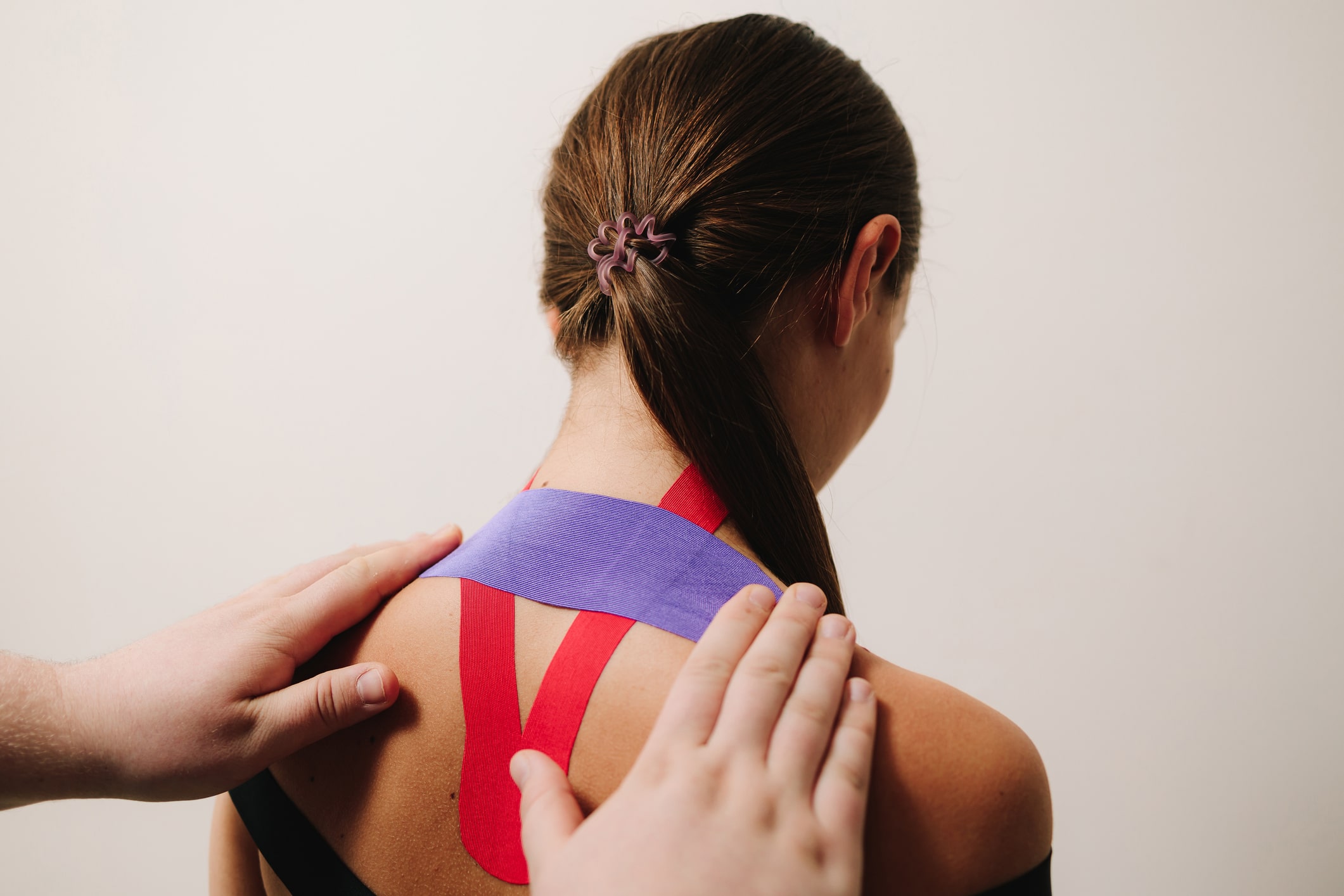
A well-designed night splint can be an effective treatment for the symptoms of plantar fasciitis. Other treatments that help reduce inflammation and increase support for the plantar fascia include athletic tape and kinesiology tape.
Heat and Cold
As with many injuries, hot and cold treatments can be used to great effect to reduce the inflammation. They will also relieve the pain associated with plantar fasciitis. Apply ice to your heel. Heat-only treatments (e.g. from a heating pad or a heat pack) should be avoided for at least the first 2 or 3 days. Instead, use contrast baths in which you alternate between hot and cold water. If you use a contrast bath, you should end by soaking in cold water.
Physical Therapy
Physical therapy doesn’t always mean visiting a professional. There are many stretches and exercises you can do at home to help relieve the pain and other symptoms of plantar fasciitis. Completing simple exercises such as toe stretches, calf stretches and towel stretches daily can help your ligament become more flexible and strengthen the arch muscles. Your physiotherapist can show you exercises to properly stretch the plantar fascia ligament as well as the Achilles tendon.
Extracorporeal Shockwave Therapy
Extracorporeal Shockwave Therapy (ESWT) is one of the more recent treatments proposed for plantar fasciitis. The therapist bombards the tissue with high-pressure sonic waves to stimulate blood flow and generate a positive immune response. This stimulates healing and closes the nerve pathways responsible for pain transmission. ESWT has been observed to increase blood flow in the treated area and increased endothelial nitric oxide levels, stimulating the healing process. It is recommended as a final resort after other non-invasive measures have been tried.
Surgery
Doctors usually consider surgery only for cases that do not improve with other techniques. If other treatments prove unsuccessful after six to 12 months, your doctor may suggest trying release surgery.
Building a Treatment Plan Around a Plantar Fasciitis Brace
For most patients, the most effective approach combines several strategies — and a plantar fasciitis brace is often the foundation. A night splint provides the sustained, gentle stretch that supports healing overnight. Orthotics and heel cups address the structural factors that contribute to stress on the plantar fascia. Athletic tape and kinesiology tape add support during activity. Heat and cold therapy manage inflammation and pain. Stretching and strengthening exercises build long-term resilience.
Clinicians should assess each patient’s presentation — arch height, activity demands, symptom duration, and prior treatments — to determine which combination of supports and therapies is most appropriate. For patients with persistent symptoms, a well-fitted plantar fasciitis brace can make the difference between ongoing discomfort and meaningful relief.
About Dunbar Medical
Dunbar Medical is a premier supplier of sports medicine and home health care products to pharmacies, physiotherapists and other clinics, and sports teams throughout Canada. The company distributes the leading brands in sports medicine through its national sales team and is known for its expertise in the field as well as its exceptionally high level of customer service and support.
For clinicians seeking a plantar fasciitis brace — including night splints, orthotics, and related supports — Dunbar Medical offers access to leading brands such as Bio Skin, Mueller Sports Medicine, McDavid, Kinesio, LP Support and many others.
To learn more about the range of products carried by Dunbar Medical, please call 1-800-265-7126, visit https://dunbarmedical.com or email sales@dunbarmedical.com.