

SafeCross Hydrogen Peroxide
By: SafeCross
| Priced Per | 300mL Spray |
|---|
Hydrogen peroxide formula containing 3% hydrogen by volume and ideally suited for wound disinfection prior to dressing.
Hydrogen peroxide formula is ideal for cleaning minor cuts, scratches and even ulcers. It can also come in useful for oral hygiene. Contains 3% hydrogen peroxide (w/v).
| Priced Per | 300mL Spray |
|---|
Q & A
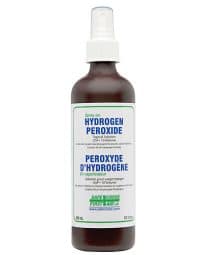
Table of Contents
Frequently Asked Questions
How does hydrogen peroxide formula actually work to clean a wound?
Hydrogen peroxide is an antiseptic that works through a process called mechanical debridement and oxidation. When applied to a cut or scratch, the 3% solution comes into contact with blood and tissue enzymes, notably catalase. This interaction causes a rapid, visible foaming action. This foam helps to gently lift away debris, dead tissue, and microbes from the wound bed, physically cleansing the area. Furthermore, the release of oxygen creates an environment that is hostile to many anaerobic bacteria, providing a secondary antiseptic effect.
It is crucial to understand that this robust action is non-selective. While it cleans effectively, it can also temporarily irritate and damage the surrounding healthy skin cells and fibroblasts that are essential for healing. For this reason, modern clinical guidance recommends using hydrogen peroxide for the initial cleansing of a fresh, contaminated wound, but discourages its repeated daily use on an already clean, healing wound. For ongoing care, milder saline washes or soap and water are often preferred to support optimal tissue regeneration.
Is it safe to use hydrogen peroxide formula as a daily mouthwash?
Using a diluted 3% hydrogen peroxide formula solution as an occasional mouth rinse can be beneficial for short-term therapeutic purposes, such as soothing minor mouth irritations, managing gingivitis, or as part of a dentist-recommended treatment plan. Its foaming action can help dislodge debris and its antibacterial properties may reduce gingival inflammation. Many over-the-counter whitening toothpastes also contain or generate peroxide for its mild stain-lifting effect.
However, it is not recommended for daily long-term use as a standard mouthwash. Frequent exposure can lead to side effects such as irritation of the oral mucosa, chemical burns on the gums (peroxide burn), and a condition known as hairy tongue—a benign but discoloured appearance of the papillae on the tongue. Most significantly, chronic use may disrupt the natural balance of the oral microbiome. For routine oral hygiene, dentists typically advise that brushing, flossing, and alcohol-free therapeutic mouthwashes provide a safer and more sustainable foundation for daily care.
Why is the 3% concentration specified, and are stronger hydrogen peroxide formula solutions better for disinfection?
The 3% weight/volume (w/v) concentration is the standard and approved strength for consumer antiseptic and first-aid use. This dilution is specifically formulated to provide effective antimicrobial and cleansing action while minimizing the risk of significant tissue damage when used as directed. It represents a careful balance between efficacy and safety for application on skin and mucous membranes.
Stronger solutions (e.g., 6% to 35%) are available, but these are intended for industrial or commercial purposes, such as bleaching textiles or hair. They are not suitable for medicinal or personal care use and can be extremely dangerous. Higher concentrations are potent oxidizers that can cause severe chemical burns, blistering of the skin, and significant damage to the eyes and respiratory tract if inhaled. The principle of “more is better” does not apply here; the 3% formula is pharmacologically calibrated for its intended first-aid and hygiene purposes, and one should never seek out or dilute a stronger product for use on the body.





Reviews
There are no reviews yet