

Sterile 3 Compartment Dressing Tray w/Forceps
By: Alliance
| Sterility | Sterile |
|---|---|
| Priced Per | Tray |
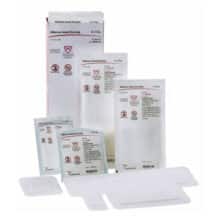
3 Compartment Sterile Dressing Tray. Includes metal & plastic forceps, field towel, absorbent towel, cotton balls, non woven gauze sponges and waste bag for convenient disposal.
This is a 3 compartment sterile dressing tray with all the accessories needed for dressing and treating wounds. Contents are:
- One Plastic Transfer Forcep;
- 2 Metal Forceps;
- 1 CSR (Central Sterile Room) Sterile Field Towel;
- 1 Absorbent Towel;
- 6 Cotton Balls;
- 6 Non Woven Gauze Sponges (3″ x 3″ each)
- 1 Waste Bag & Tie.
A wound dressing tray saves clinicians the time they would otherwise spend gathering materials to treat patients. They can therefore spend more time on patient care, with better treatment outcomes and the ability to treat more patients in a given period.
Sold by the tray.
| Sterility | Sterile |
|---|---|
| Priced Per | Tray |
Q & A

Table of Contents
Frequently Asked Questions
What is included in the sterile dressing tray, and what is each component used for?
This comprehensive three-compartment tray contains all essential items for a single, aseptic wound dressing procedure. The core instruments include a plastic transfer forceps for handling sterile items and two metal forceps for direct wound manipulation and debridement. For maintaining a sterile field, the tray provides a CSR (Central Sterile Room) wrap, which serves as the sterile base, and a separate absorbent towel for managing exudate.
The key consumables are six cotton balls for cleansing and six non-woven gauze sponges (3”x3”) for primary dressing and absorption. Finally, a dedicated waste bag with a tie is included for the safe containment and disposal of all clinical waste, completing a closed-loop system from preparation to cleanup. This meticulous assembly ensures every step of the procedure can be performed without breaking sterility.
How does using a pre-packed dressing tray improve clinical efficiency and patient care?
The primary advantage is a significant reduction in preparatory time and cognitive load for clinicians. By eliminating the need to individually gather, sterilize, and assemble up to ten separate components, the tray allows medical staff to focus their expertise and time directly on patient assessment and treatment. This streamlined workflow minimizes procedure setup time directly at the bedside.
This efficiency translates directly into enhanced patient care. Clinicians can dedicate more attention to technique and patient interaction, which promotes better outcomes. Furthermore, the standardized, single-use nature of each tray guarantees sterility and consistency for every procedure, reducing the risk of contamination. Ultimately, this reliable system enables healthcare facilities to treat more patients effectively within the same timeframes, optimizing operational throughput.
Is this dressing tray suitable for all types of wound care, and how is it sold?
This tray is designed as a versatile, general-purpose solution for routine wound dressing changes, post-operative care, and the management of clean or lightly exuding wounds. It is ideal for clinics, emergency departments, and home health care. However, for specialized cases—such as heavily draining wounds, burns, or those requiring advanced antimicrobial dressings—clinicians would typically supplement the tray’s gauze and cotton balls with additional, specific primary dressings.
The tray is sold as a complete, single-use unit. Purchasing is typically done by the case, with each case containing a specified number of individually packaged, sterile trays (e.g., 20 or 50 per case). This bulk model provides cost-effectiveness, ensures consistent inventory for high-volume settings, and guarantees that every procedure begins with a new, uncontaminated set of tools.



Reviews
There are no reviews yet